Physical Address
304 North Cardinal St.
Dorchester Center, MA 02124
Physical Address
304 North Cardinal St.
Dorchester Center, MA 02124

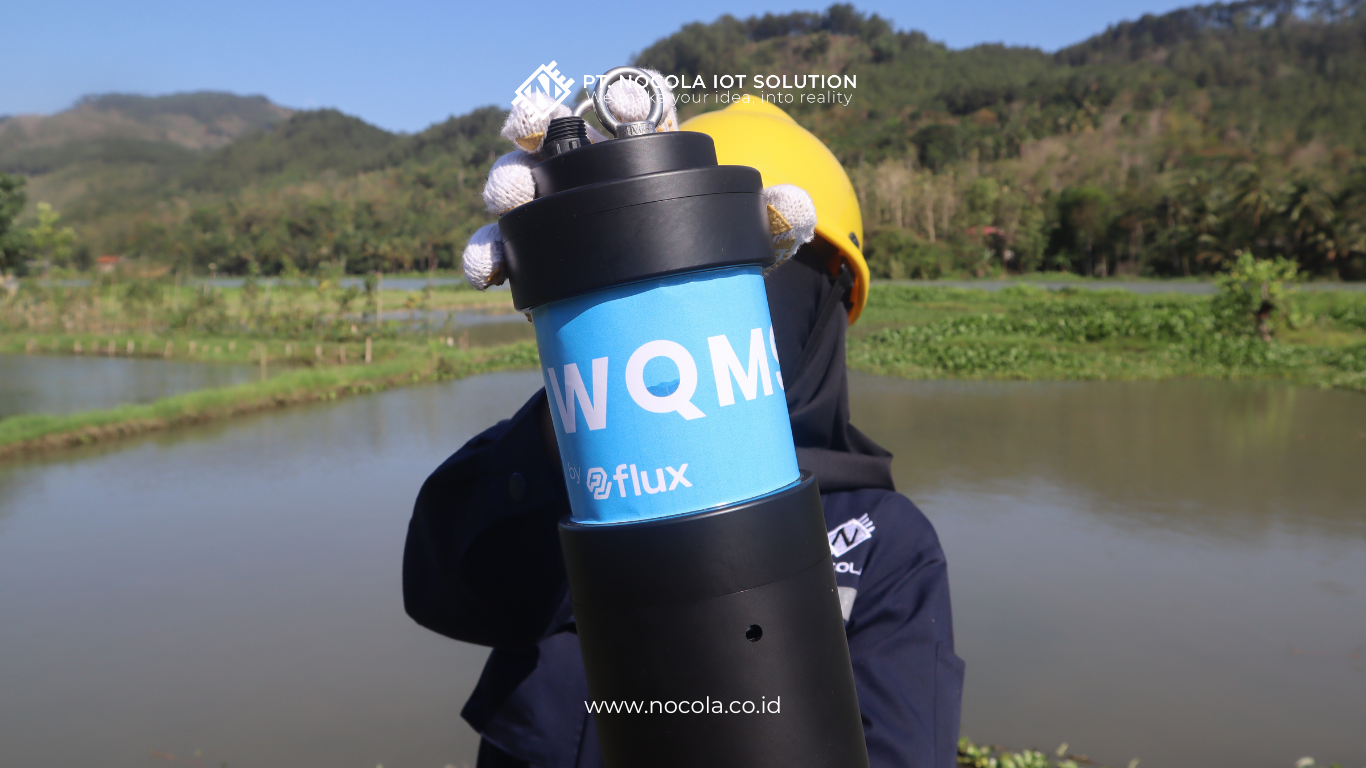
Water quality is one of the most important aspects in maintaining environmental sustainability and public health. In the industrial world, water management is a major challenge, especially in ensuring that the waste produced does not pollute the environment. Therefore, water quality monitoring has become a necessity that cannot be ignored.
With technological advancements, water quality monitoring methods have undergone significant transformation. Previously conducted manually and periodically, monitoring can now be carried out automatically and in real-time through Internet of Things (IoT) technology.
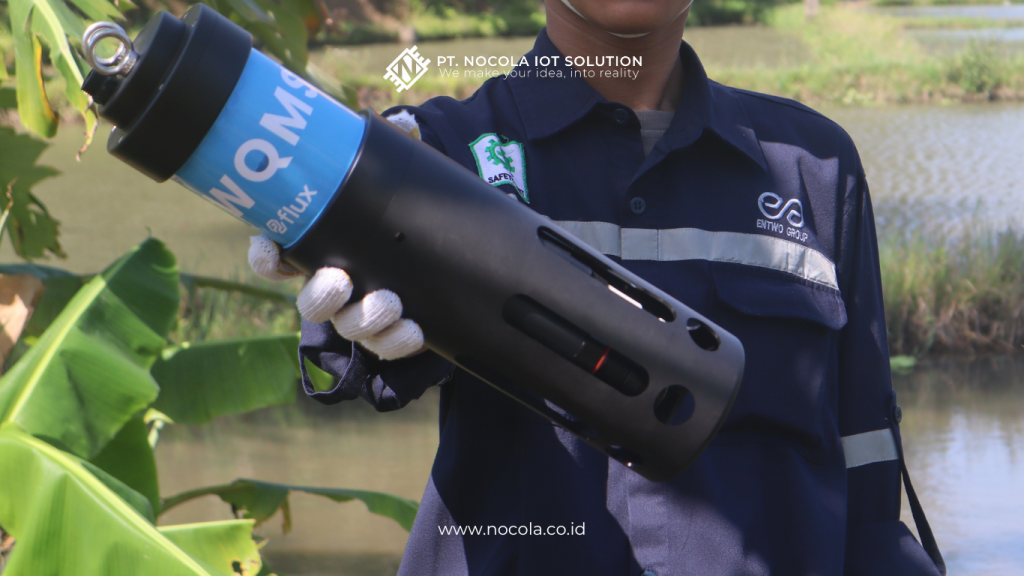
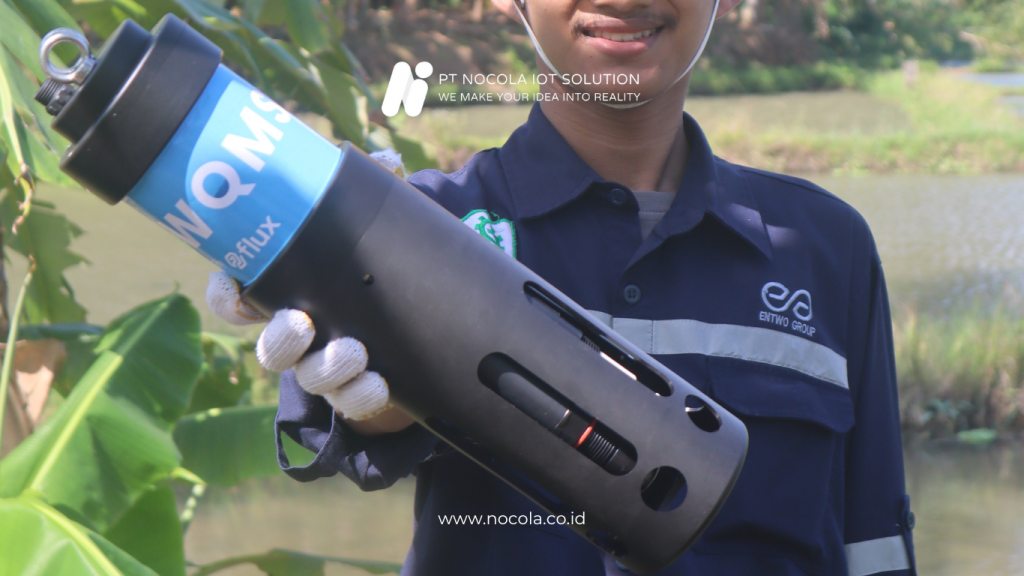
IoT-based WQMS (Water Quality Monitoring System) is present as a modern solution to continuously monitor water quality. With this system, companies can obtain accurate, transparent, and easily accessible data anytime.
This article will discuss how IoT-based WQMS for water becomes an effective solution for water quality monitoring in industry and the environment.
Read Also : Common Industrial Monitoring Problems and How to Simplify Them
In industrial operations, water is used in various processes, from production to cooling. In addition, industries also generate liquid waste that has the potential to pollute the environment.
Without proper monitoring, companies will find it difficult to ensure that water quality remains within established standards. This can impact both the environment and the company’s reputation.
Water quality monitoring is also essential to comply with government regulations. Many industries are required to ensure that wastewater quality does not exceed specified limits.
With the right monitoring system, companies can manage water more effectively and reduce the risk of pollution.
Read Also : Continuous Water Monitoring with Integrated WQMS
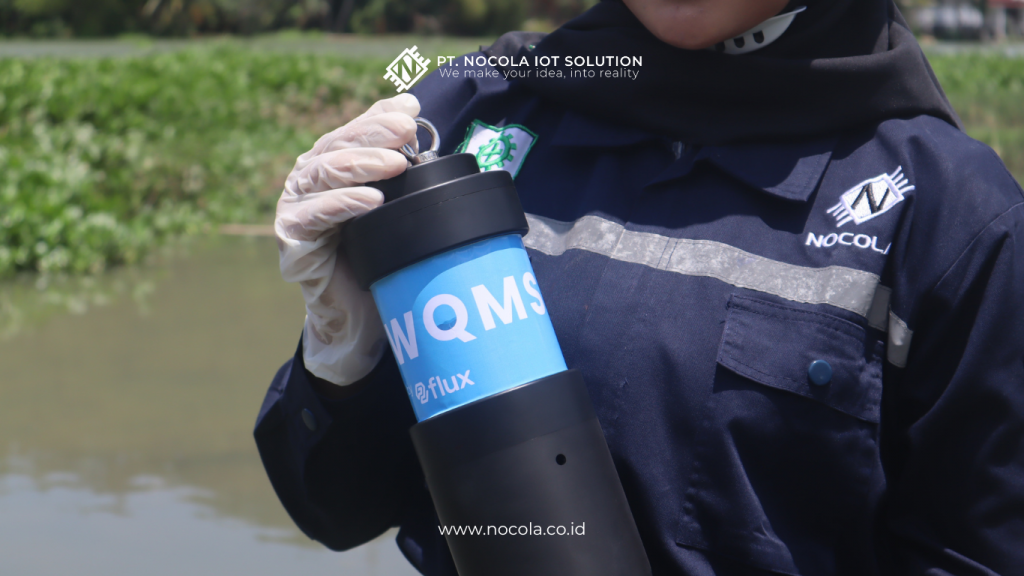
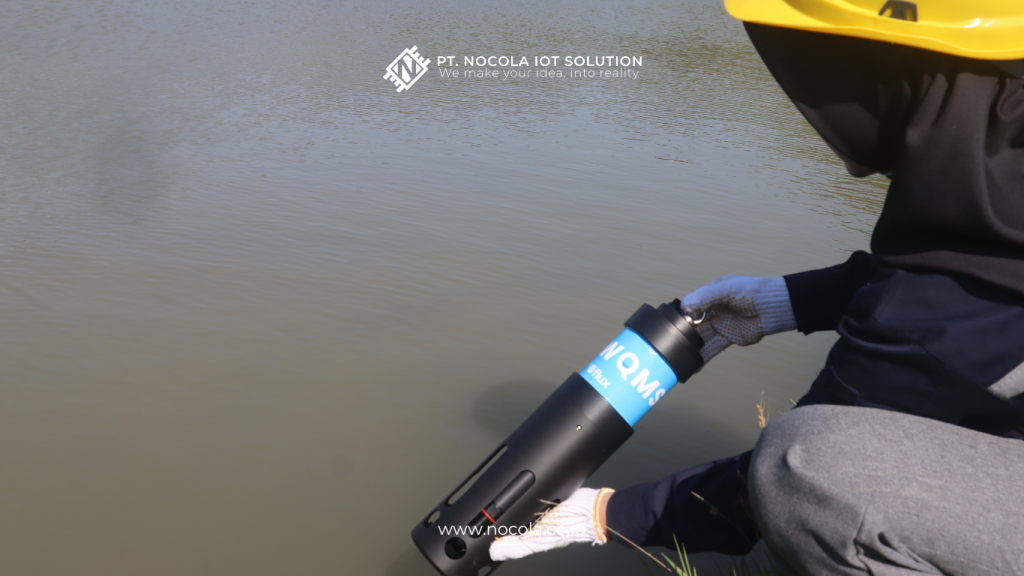
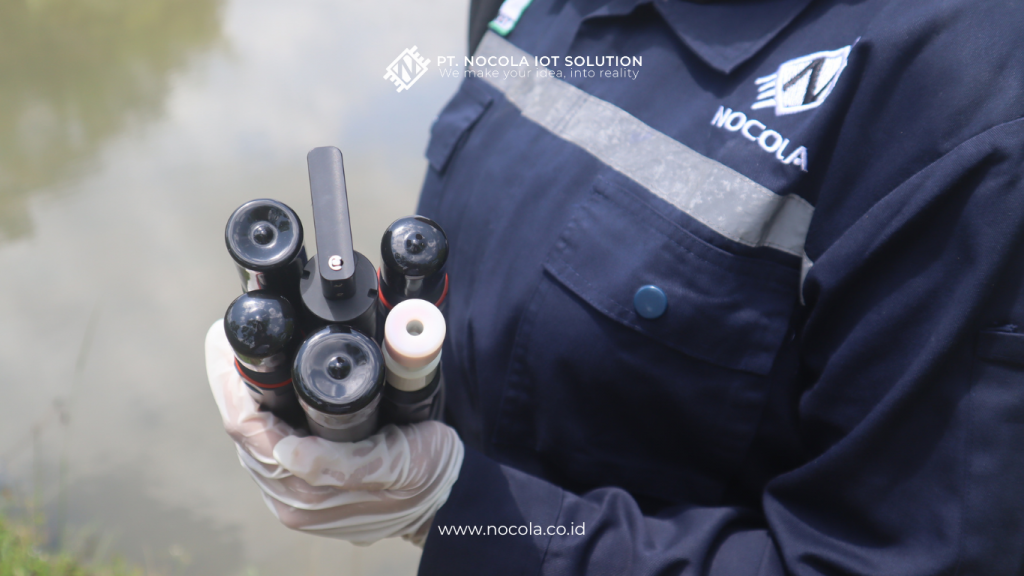
IoT-based WQMS works by using sensors installed in water sources or wastewater channels. These sensors automatically measure various water quality parameters.
Common parameters monitored include pH, temperature, turbidity, dissolved oxygen (DO), and certain chemical contents.
The data collected by sensors is transmitted through communication networks to a digital platform. This data is then processed and displayed on a monitoring dashboard.
With this system, users can monitor water quality in real-time without the need for manual measurements.
Read Also : Monitor Water Conditions in Real-Time with WQMS
One of the main advantages of IoT-based WQMS is its real-time monitoring capability. Water quality data can be monitored continuously without delay.
Real-time monitoring enables companies to quickly detect changes in water quality. If a decline occurs, the system can provide alerts.
With early detection, companies can immediately take action to prevent more severe pollution. This is crucial in protecting the environment.
Additionally, real-time monitoring improves operational efficiency, as companies can respond to issues more quickly.
Read Also : Steps to Implement Nocola WQMS in Water Treatment Plants
IoT-based WQMS also plays a role in improving data transparency. The generated data can be accessed by various parties, including management and regulators.
This transparency helps companies meet reporting obligations to the government. Accurate and real-time data can be used as proof of regulatory compliance.
In addition, transparency increases public trust in the company. Companies that are open about environmental management tend to have better reputations.
With IoT-based WQMS, companies can demonstrate their commitment to sustainability and environmental responsibility.
Read Also : WQMS: Real-Time Water Quality Monitoring Solution
The use of IoT-based WQMS provides various benefits for both industry and the environment. For industries, this system helps improve water management efficiency.
With accurate data, companies can optimize water usage and reduce waste. This also helps lower operational costs.
For the environment, IoT-based WQMS helps prevent water pollution. With better control, negative impacts on ecosystems can be minimized.
In addition, this system supports sustainability efforts by helping companies achieve environmental targets.
IoT-based WQMS is a modern solution for real-time water quality monitoring in industry and the environment. With automatic measurement capabilities, continuous monitoring, and data integration, this system helps companies manage water quality more effectively.
In addition to supporting regulatory compliance, IoT-based WQMS also improves transparency and operational efficiency. This makes it an essential tool in maintaining environmental sustainability.
In the digital era, adopting technologies like IoT-based WQMS is no longer just an option but a necessity for companies that aim to operate responsibly and sustainably.
