Physical Address
304 North Cardinal St.
Dorchester Center, MA 02124
Physical Address
304 North Cardinal St.
Dorchester Center, MA 02124

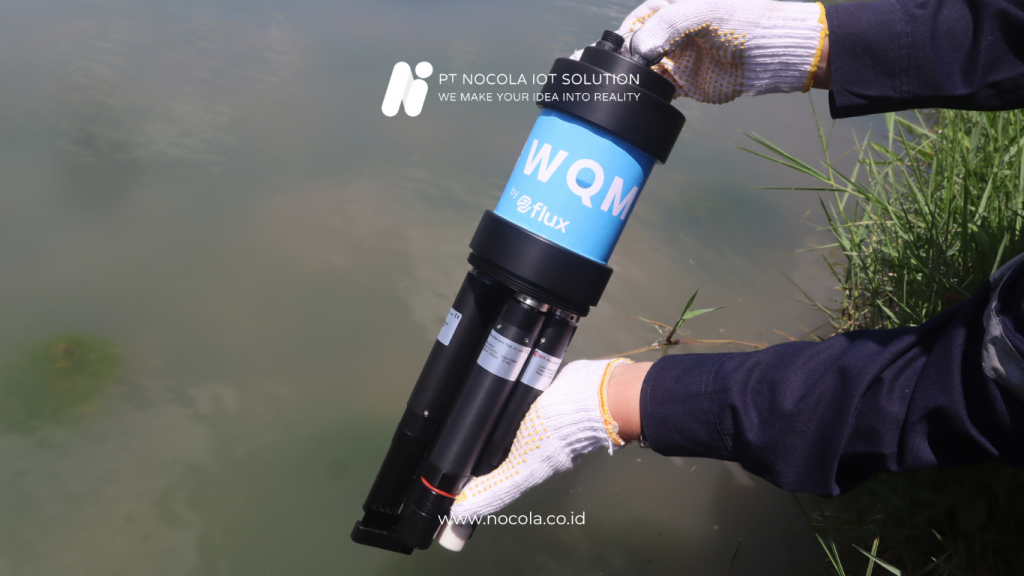
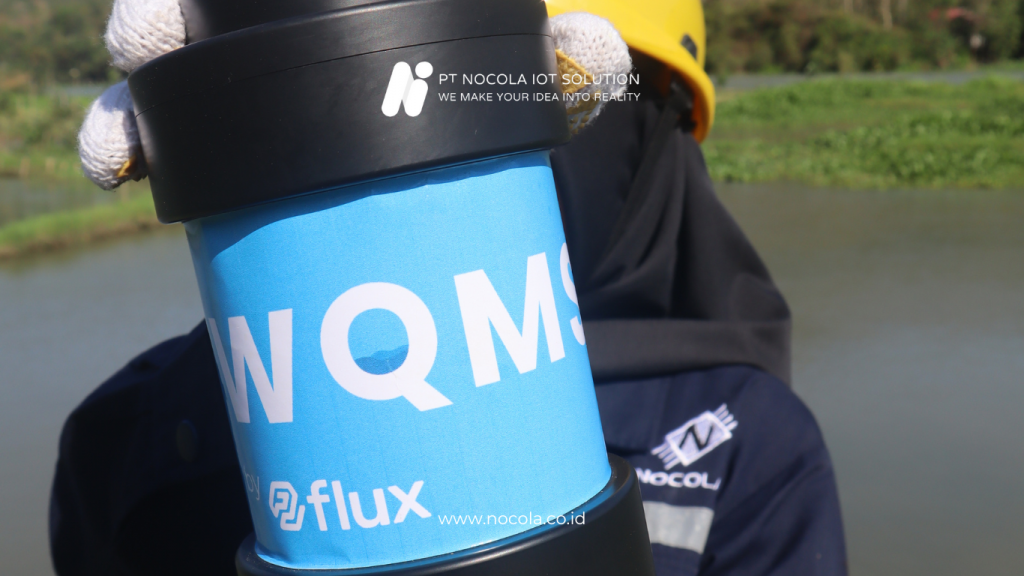
Water quality is one of the key factors impacting human health and the environment. Therefore, water treatment installations require effective monitoring systems to ensure that the water produced maintains its quality. Water Quality Management System (WQMS) from Nocola is an innovative solution designed to monitor and manage water quality automatically and in real-time. This article will outline the steps to implement Nocola’s WQMS in water treatment facilities, the benefits gained, and the challenges faced during the process.
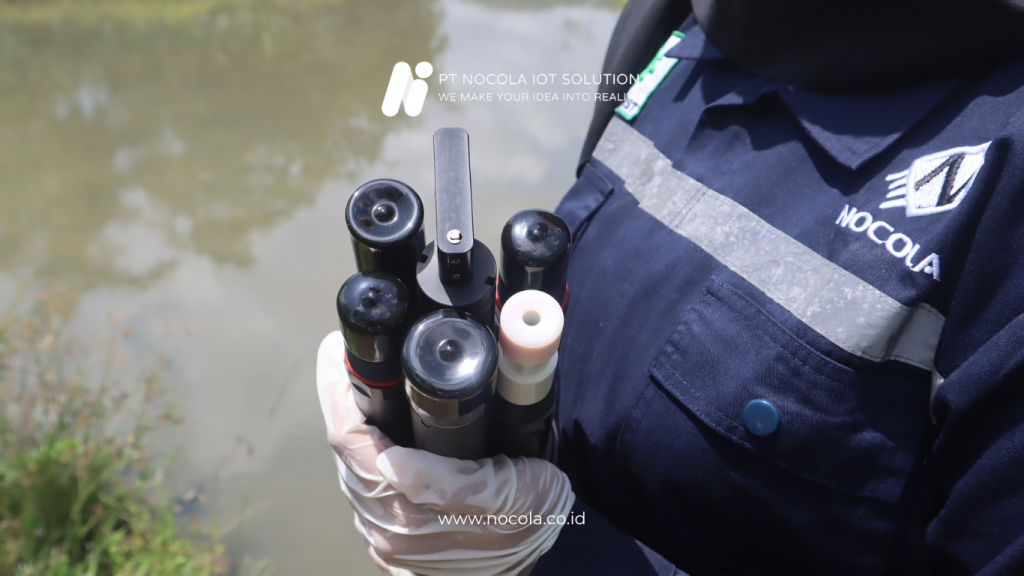
WQMS is designed to monitor various water quality parameters, such as pH, turbidity, and microbial content. With an effective monitoring system, water treatment facilities can ensure that the water supplied is safe for public use.
Many regulations govern the water quality standards that must be met by water treatment companies. With WQMS, companies can ensure compliance with the limits set by regulatory authorities.
With automated and real-time monitoring, WQMS can help identify problems early and optimize water treatment processes, making them more efficient in terms of time and cost.
WQMS assists water treatment facilities in monitoring resource usage such as energy and chemicals, which can help reduce waste and operational costs.
Before starting the implementation, it is important to conduct a needs analysis at the water treatment facility. Key points to consider include:
Once the needs are identified, companies need to plan the infrastructure required to support the WQMS. This includes:
Installing sensors is a critical step in the implementation process. Here are the steps to consider:
Once the sensors are installed, the next step is to configure the system. Ensure that:
Training for employees who will use the WQMS is crucial. This training should cover:
After the system is implemented, continuous monitoring and evaluation are essential. This includes:
With better monitoring, companies can maintain the quality of their water in accordance with established standards. This is crucial for public health and regulatory compliance.
WQMS allows for greater efficiency in treatment processes. With real-time data, decisions can be made quickly, reducing response times to issues.
With improved operational efficiency and waste reduction, companies can save costs. Automation in processes also reduces reliance on manual labor, providing opportunities for additional savings.
By monitoring and reducing pollution, WQMS helps companies contribute to environmental sustainability. This becomes increasingly important in an era where sustainability is a global priority.
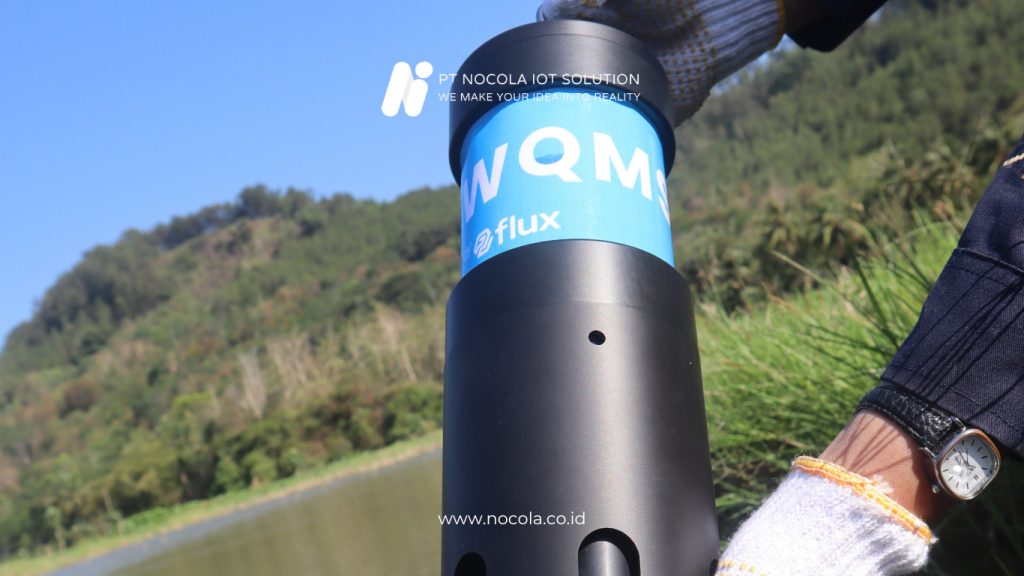
In the agriculture industry, WQMS is used to monitor irrigation water quality. This helps farmers ensure that their crops receive high-quality water free from contaminants.
Renewable energy, in particular, requires careful monitoring of water quality. WQMS can monitor water used in power generation processes, ensuring that all environmental compliance standards are met.
In healthcare, water quality is key to maintaining sanitation. WQMS ensures that water used in hospitals and clinics meets hygiene standards.
In factories, WQMS helps monitor waste produced during production processes, supporting companies in managing their environmental impact more effectively.
Nocola’s WQMS is a vital solution for maintaining and improving water quality. By utilizing advanced monitoring technology, this system helps companies respond better to environmental challenges, enhances operational efficiency, and ensures compliance with regulations.
The implementation of WQMS is not just about meeting business needs but also committing to sustainability and the survival of water resources. With the right steps and technological support, we can create a cleaner and more sustainable world for the future!

