Physical Address
304 North Cardinal St.
Dorchester Center, MA 02124
Physical Address
304 North Cardinal St.
Dorchester Center, MA 02124
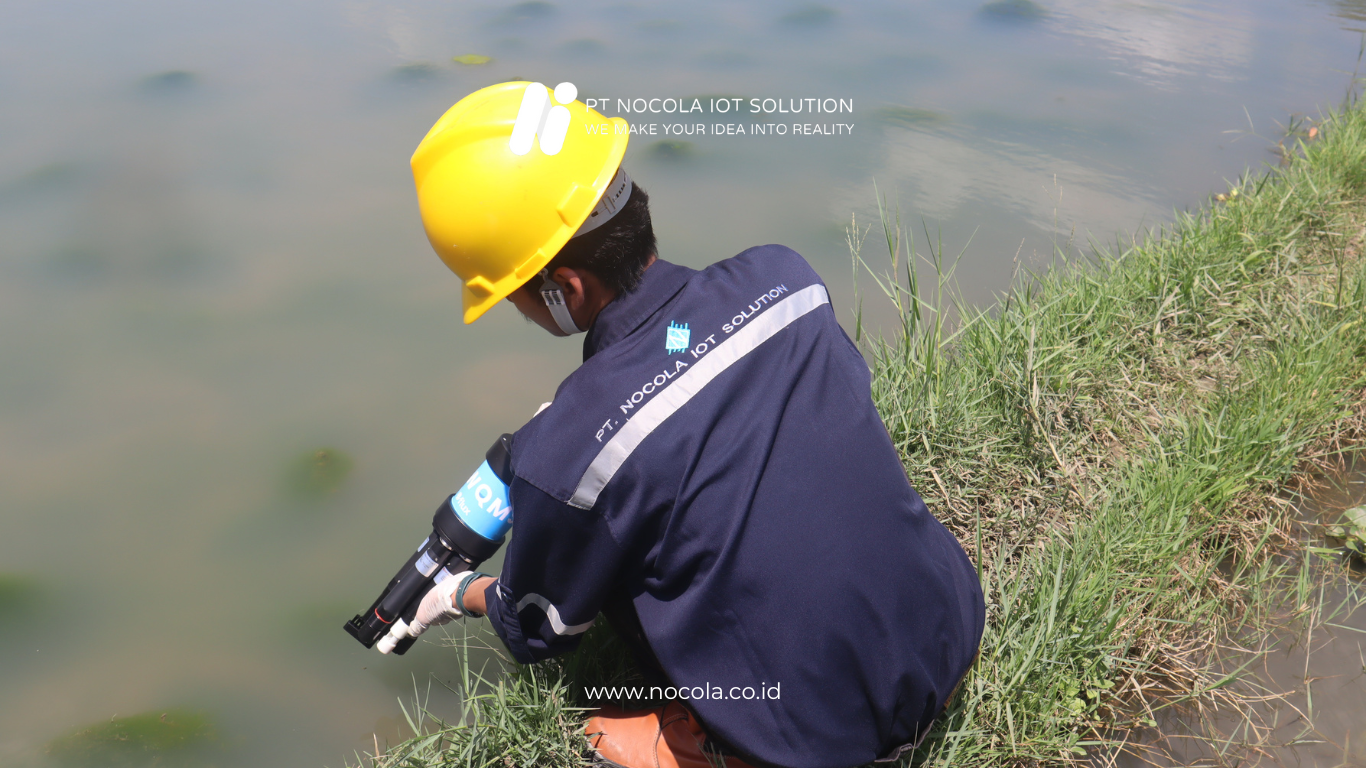
Water quality is one of the most critical aspects of maintaining environmental health and human life. With rising pollution and declining water quality worldwide, it is essential for companies and government agencies to adopt effective technology to monitor and manage water resources. Water Quality Management System (WQMS) from Nocola presents an innovative Internet of Things (IoT)-based solution for real-time water quality monitoring. In this article, we will delve deeper into Nocola’s WQMS, how the system works, and its benefits for sustainability.
Poor water quality can lead to various health issues, from infectious diseases to respiratory problems. According to the World Health Organization (WHO), around 2 billion people worldwide lack access to clean water. An integrated monitoring system like WQMS can minimize the risk of waterborne disease outbreaks.
Contaminated water resources not only threaten humans but also damage ecosystems. The presence of flora and fauna in aquatic environments greatly depends on water quality. Therefore, maintaining water quality is a key step in preserving the environment.
Water is a valuable resource. Good monitoring and management of water quality will ensure the availability of clean water for future generations. Nocola’s WQMS helps ensure that this resource is properly managed.
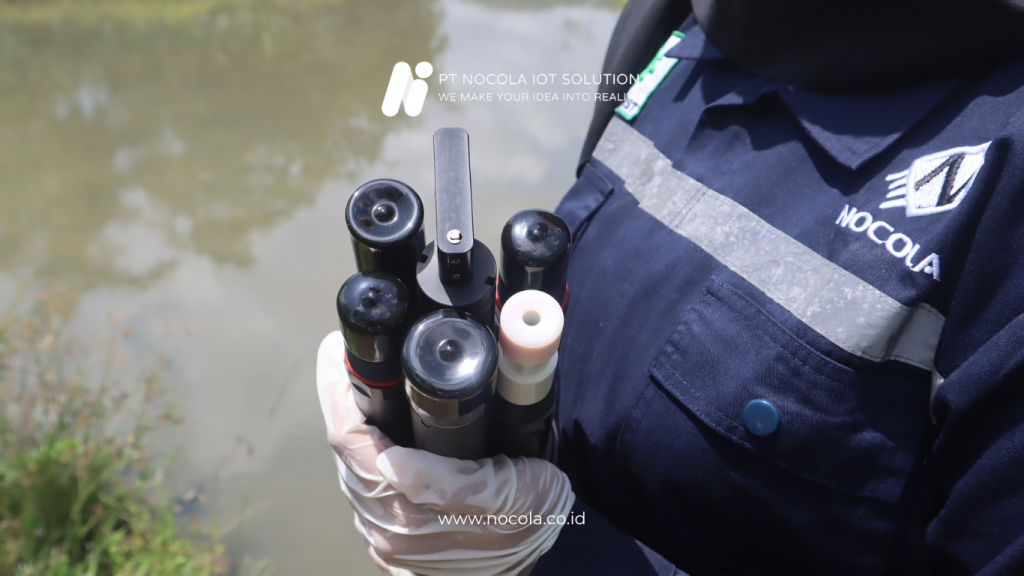
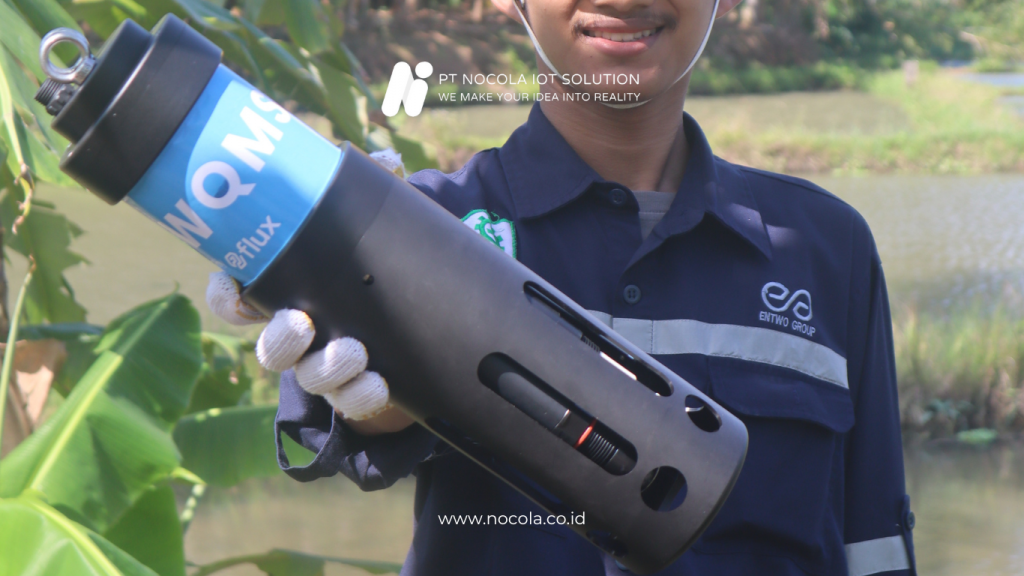
WQMS (Water Quality Management System) is a system that functions to monitor, analyze, and report on water quality automatically and in real-time. WQMS is designed to assist companies and organizations in detecting pollution and maintaining compliance with applicable environmental regulations.
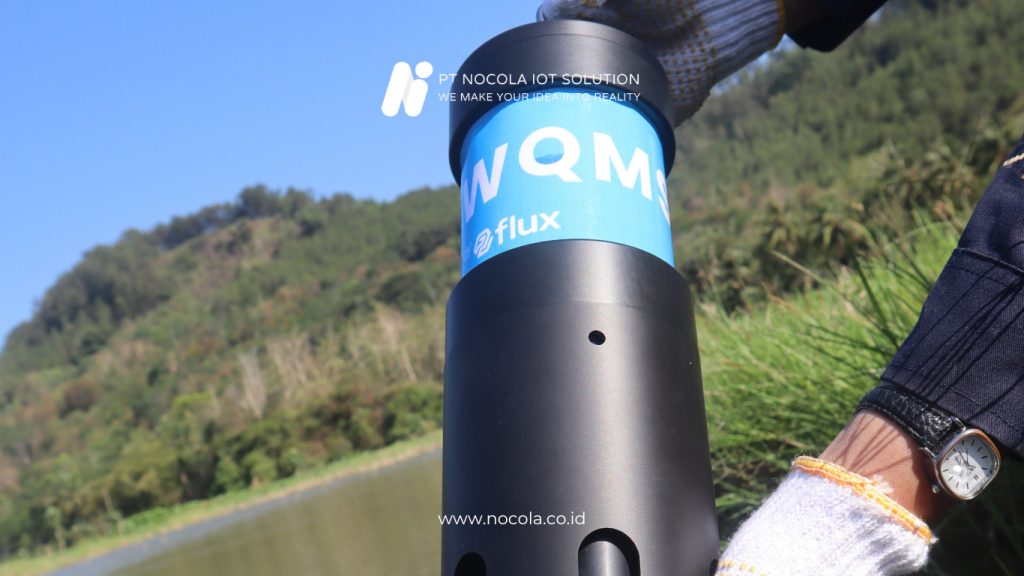
Nocola’s WQMS uses modern sensors installed at strategic locations such as rivers, lakes, and water distribution points. These sensors continuously collect water quality data, providing accurate and up-to-date information.
The data collected by the sensors is sent to a cloud-based processing system, where the information is analyzed and processed using advanced algorithms. The results of these analyses become valuable information for decision-making.
If data indicates significant pollution, the system can provide early warnings to water management personnel to take corrective action immediately, preventing further damage.
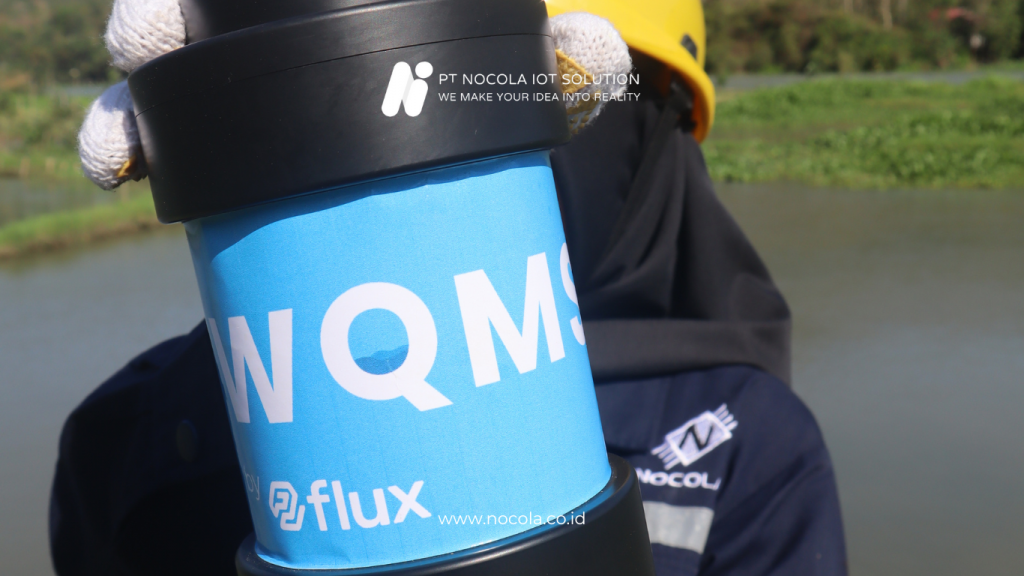
Nocola’s WQMS provides more accurate monitoring data compared to traditional methods. With real-time measurements, information about water quality is more comprehensive and reliable.
With an automated system, companies can save on operational costs associated with time-consuming manual processes. These savings can be allocated for further development in sustainability initiatives.
WQMS helps organizations meet various regulations related to water quality. With detailed, customizable reports, companies can easily demonstrate compliance to authorities.
Utilizing advanced technology in water quality monitoring helps companies achieve sustainability goals. By maintaining water quality, businesses contribute to protecting the environment and enhancing their public image.
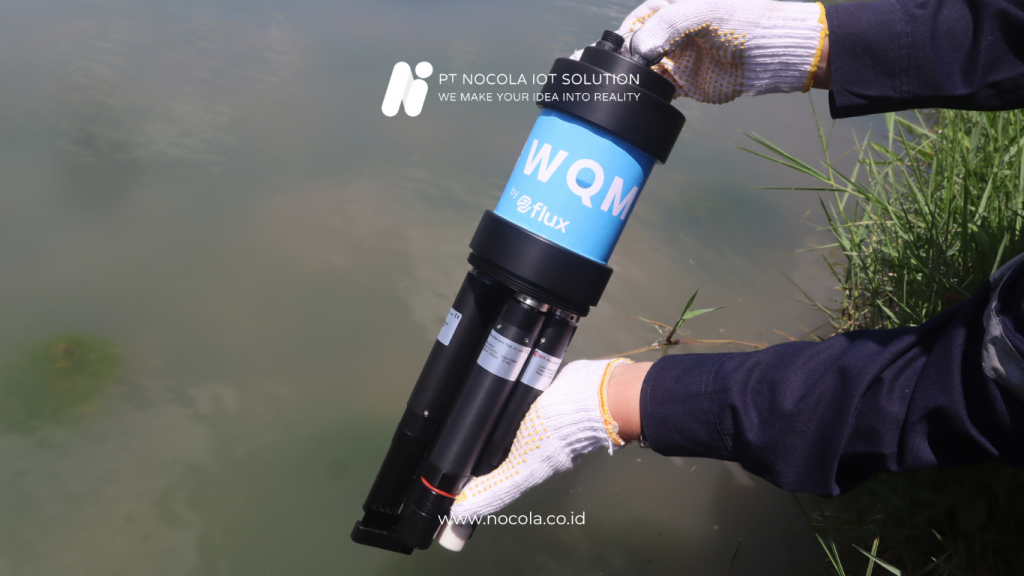
WQMS helps farmers monitor the quality of water used for irrigation, ensuring that the water is safe and free from contaminants. This is crucial for optimizing agricultural yields.
In the industrial sector, WQMS is used to monitor waste generated from production processes. With good monitoring, companies can prevent pollution and ensure compliance with existing regulations.
In healthcare services, monitoring water quality is essential to maintain sanitation standards. WQMS helps hospitals and clinics ensure that the water used in patient care meets the necessary hygiene standards.
In power plants, WQMS functions to monitor the quality of water used in daily operations, helping maintain accurate processes and prevent issues that could arise due to poor water quality.
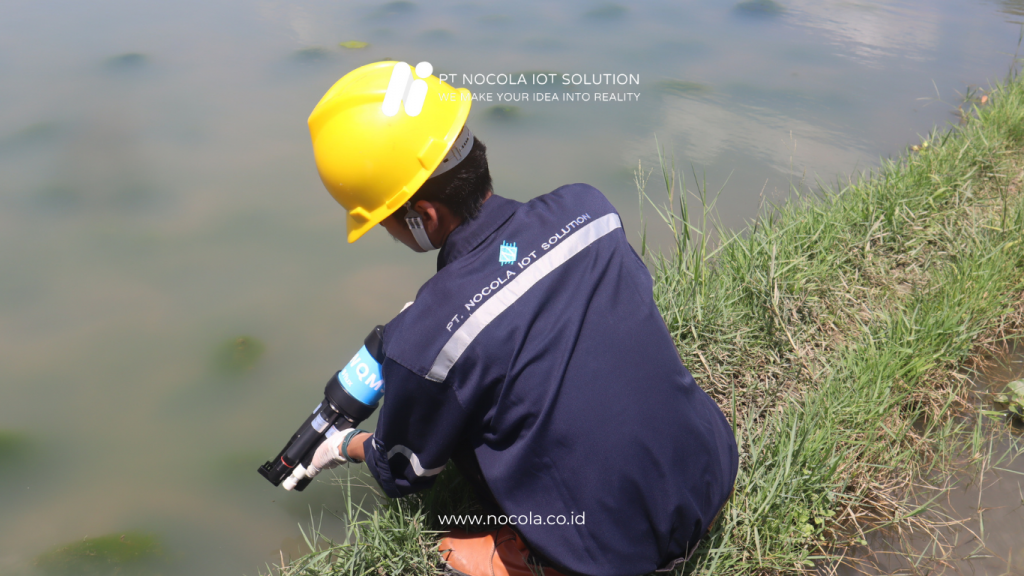
The first step in leveraging WQMS is to identify your organization’s specific needs regarding water quality monitoring. What parameters need to be monitored? Where are the monitoring locations required?
Once the needs are defined, the next step is to select a WQMS that meets those criteria. Ensure that your chosen system can integrate with existing infrastructure.
Training is key to successful implementation. Ensure that all users understand how to use the system and the benefits it offers.
After implementation, it is important to continuously monitor the system’s effectiveness and evaluate whether the data obtained meets the needs of the organization.
WQMS from Nocola is an innovative solution that plays a crucial role in maintaining clean and safe water quality. With the support of advanced monitoring technology, WQMS helps companies identify potential pollution earlier, enhance regulatory compliance, and contribute to sustainability.
As part of our efforts to protect water resources, utilizing WQMS is a necessary step for industries and institutions that care about the environment and public health. Let’s together preserve and protect our water resources with the right technology!

