Physical Address
304 North Cardinal St.
Dorchester Center, MA 02124
Physical Address
304 North Cardinal St.
Dorchester Center, MA 02124


Awareness of the importance of protecting the environment is growing, especially in industries contributing to greenhouse gas emissions. Amidst the global demand for carbon neutrality, technological innovation becomes a crucial solution. Therefore, Nocola, as an innovative technology company, plays an active role in supporting emission reduction efforts through advanced monitoring technologies. This article will discuss the steps taken by Nocola to support the green industry with cutting-edge emission monitoring solutions.
Read More: How Nocola Helps the Energy Industry Monitor Carbon Emissions with CEMS Technology
Every day, industries worldwide produce emissions that contribute to environmental degradation and accelerate climate change. Pollutants such as carbon dioxide (CO2), nitrogen oxides (NOx), sulfur dioxide (SO2), and other particles are emitted from various industrial processes like fossil fuel combustion, manufacturing, and power generation. Thus, these emissions impact public health, air quality, and the global climate.
With increasing environmental regulations and government demands to reduce emissions, industries are in greater need of technological solutions that can help them monitor and reduce the pollution they generate. As a result, emission monitoring becomes essential to ensure companies stay within permitted emission limits, while also identifying ways to improve energy efficiency and reduce environmental impact.
Read More: Nocola’s Important Role in Reducing Industrial Emissions with Advanced Monitoring Technology
Nocola offers advanced emission monitoring solutions through the Continuous Emission Monitoring System (CEMS). Thus, this system is designed to monitor emissions in real-time, providing accurate data on the type and amount of pollutants released by an industrial facility. With this technology, companies can quickly identify emission spikes and take corrective action to reduce their impact.
CEMS consists of a series of sensors placed at various points in the industrial process. In addition, these sensors measure various harmful gases, including CO2, NOx, and SO2. The data generated is then sent to a control center for analysis. With IoT integration capabilities, emission data can be accessed directly via digital platforms, enabling remote monitoring.

Read More: Nocola CEMS: Reducing Emissions with Continuous Emission Monitoring
Nocola’s emission monitoring technology can be applied across various industrial sectors, from power generation to manufacturing and chemical processing. Additionally, each sector faces specific challenges related to emission reduction, and Nocola’s technology helps address these challenges by providing customized solutions.
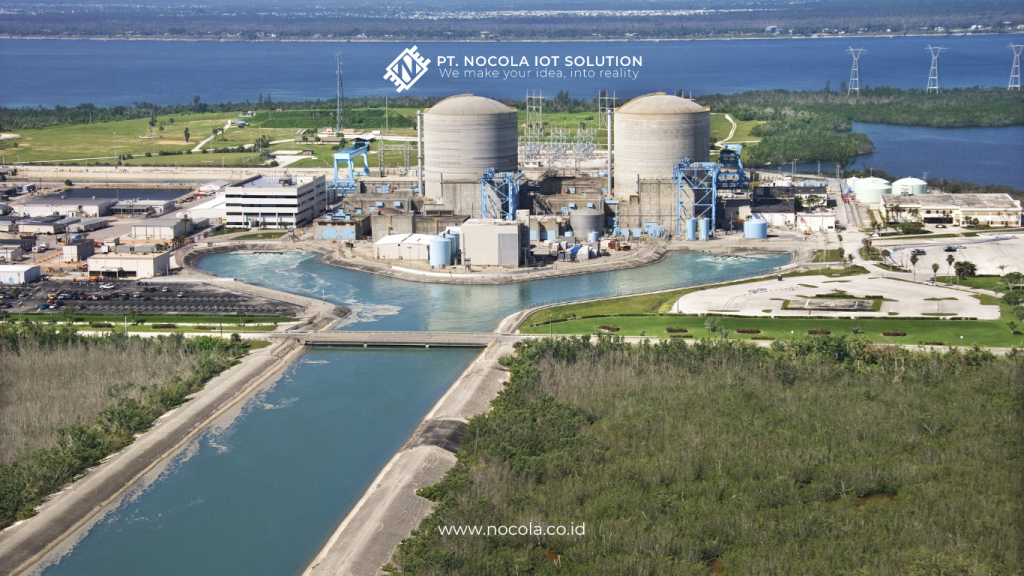
The power generation industry, particularly those using fossil fuels like coal, oil, and natural gas, is one of the largest contributors to emissions. Therefore, with CEMS, power plants can monitor emissions from combustion processes and ensure that harmful gases like CO2 and NOx remain within permitted limits.
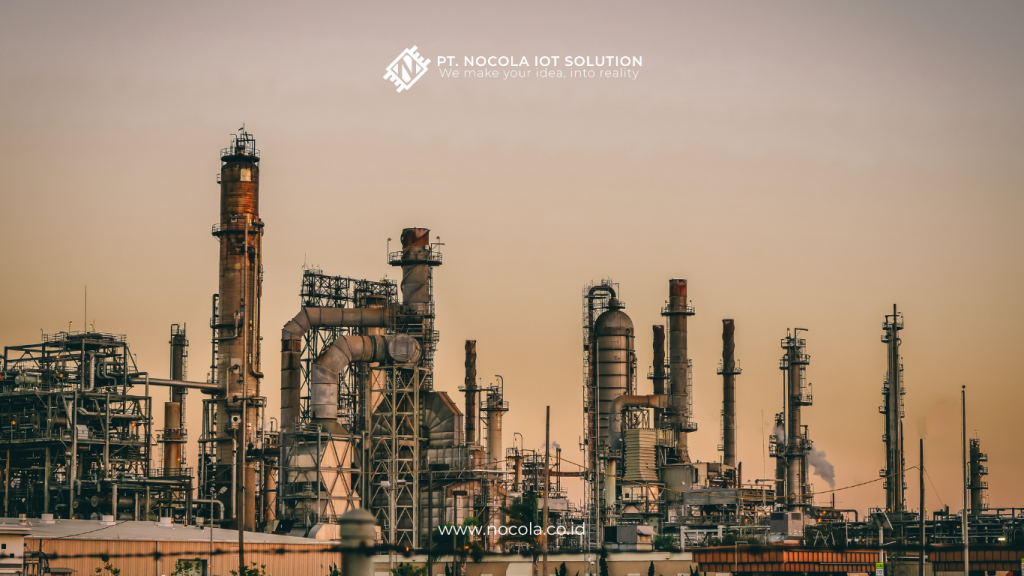
Manufacturing processes involve various chemical reactions and energy usage that often produce harmful pollutants. Thus, using Nocola’s emission monitoring technology enables factories to monitor emissions from machinery and production processes while optimizing energy use to reduce environmental impact.
The chemical industry generates pollutants such as toxic gases and other hazardous materials that can harm the environment if not properly controlled. Therefore, Nocola’s monitoring solutions help chemical companies track emissions at every stage of production, ensuring compliance with environmental regulations.
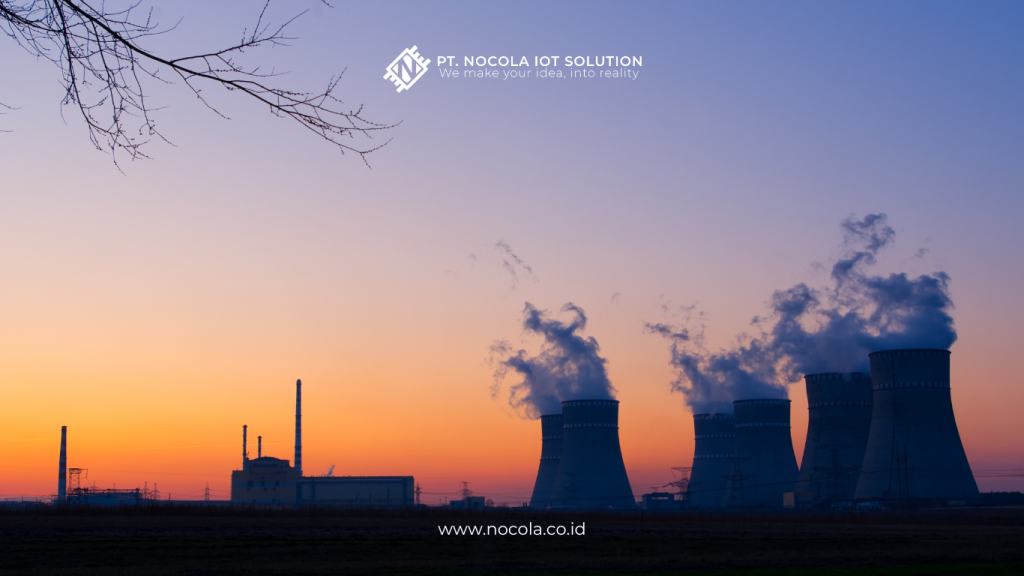
In addition to monitoring emissions, Nocola’s technology also helps companies identify ways to improve energy efficiency. As a result, the emission data generated by CEMS can be used to analyze industrial processes and find areas of inefficiency, such as gas leaks or excessive fuel consumption.
By optimizing energy use, companies can reduce their carbon footprint while also lowering operational costs. Furthermore, more efficient energy use positively impacts the environment by reducing the amount of fossil fuels burned and decreasing the resulting pollution.
Emission reduction in industry is a key factor in achieving global environmental goals. Nocola, through its advanced technology like CEMS, plays a crucial role in helping industries monitor emissions and optimize energy use. With real-time monitoring, accurate data, and automated reporting, Nocola’s solutions support industries in their transition to cleaner, more efficient production processes. As companies increasingly focus on sustainability, innovative technologies such as those provided by Nocola are the foundation for a greener, cleaner future.