Physical Address
304 North Cardinal St.
Dorchester Center, MA 02124
Physical Address
304 North Cardinal St.
Dorchester Center, MA 02124

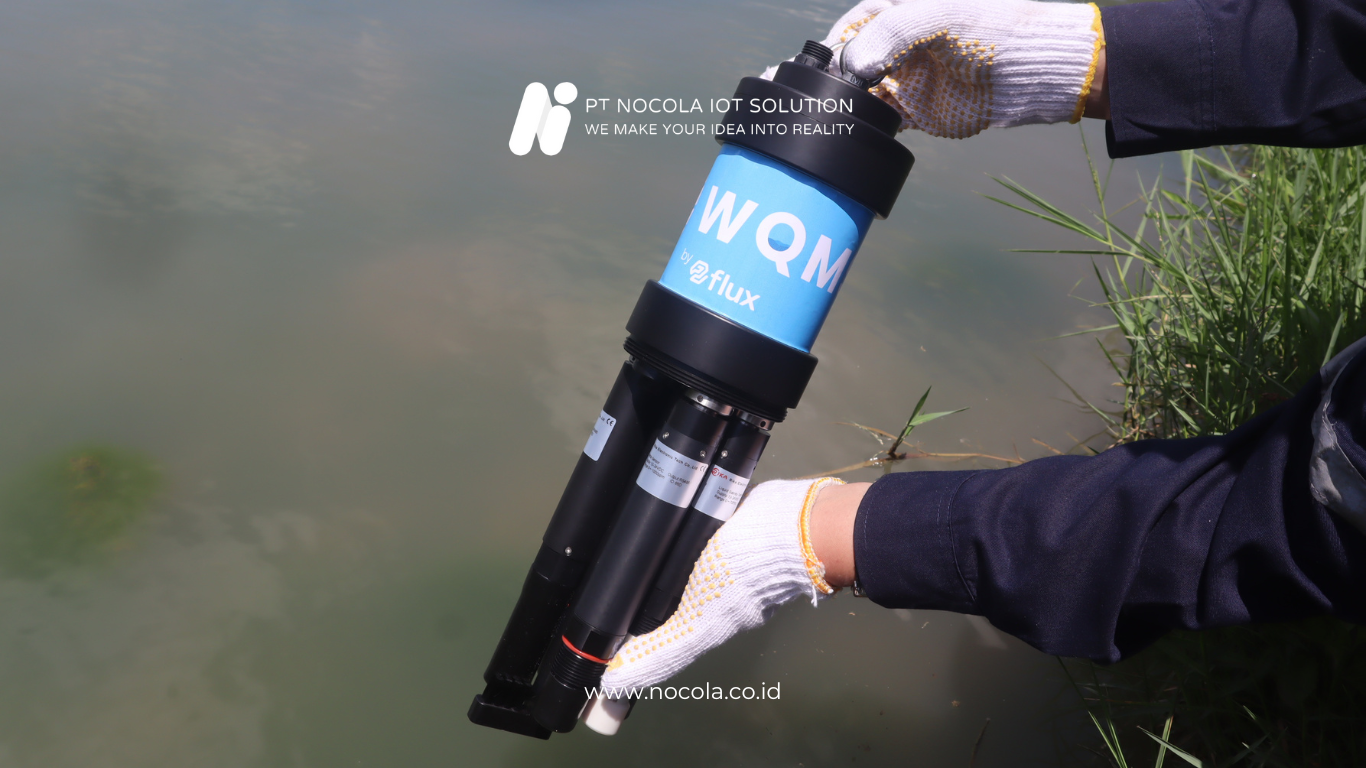
In recent years, water quality issues have become a major focus in many countries, including Indonesia. The high levels of industrial activity, population growth, and climate change place significant pressure on water resources. This situation demands modern technology for monitoring water quality that is faster, more accurate, and integrated. This is where the Water Quality Monitoring System (WQMS) comes as the best solution. WQMS enables monitoring to be conducted in real-time, providing relevant data and facilitating decision-making in environmental management.
This article discusses how WQMS works, its benefits for industries and governments, and why this technology is crucial for the future of water management in Indonesia.
Also Read: What is WQMS?
Water is a vital resource. From household needs, agriculture, industry, to power generation—all require water of good quality. However, many water sources are contaminated due to various factors:
Inaccurate water quality monitoring can have significant impacts, such as:
The common manual monitoring model has many shortcomings, such as delayed sampling, human error, and inconsistent data. Therefore, a system that can provide real-time, accurate, and easily accessible data is needed—this is where WQMS plays a vital role.
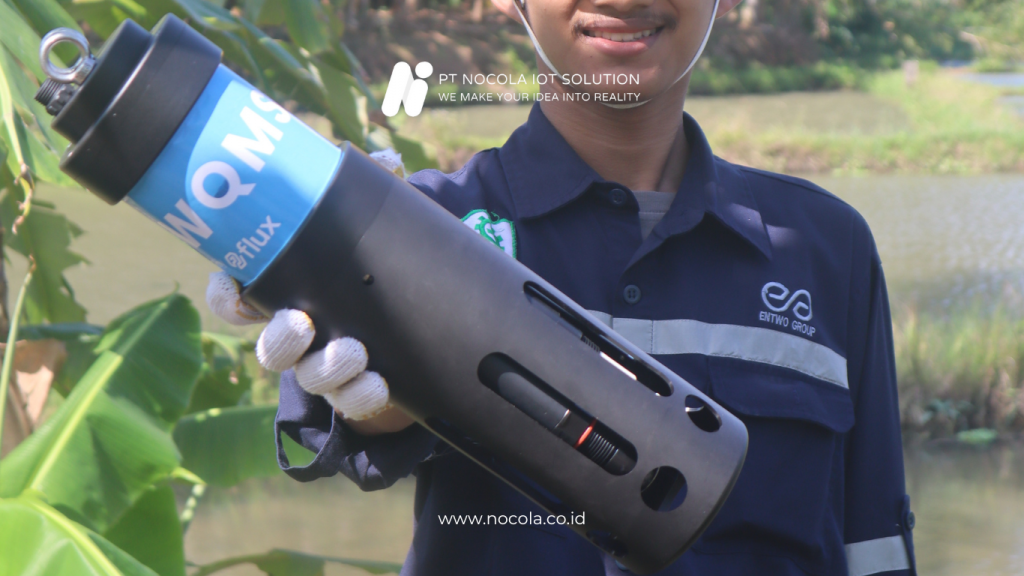
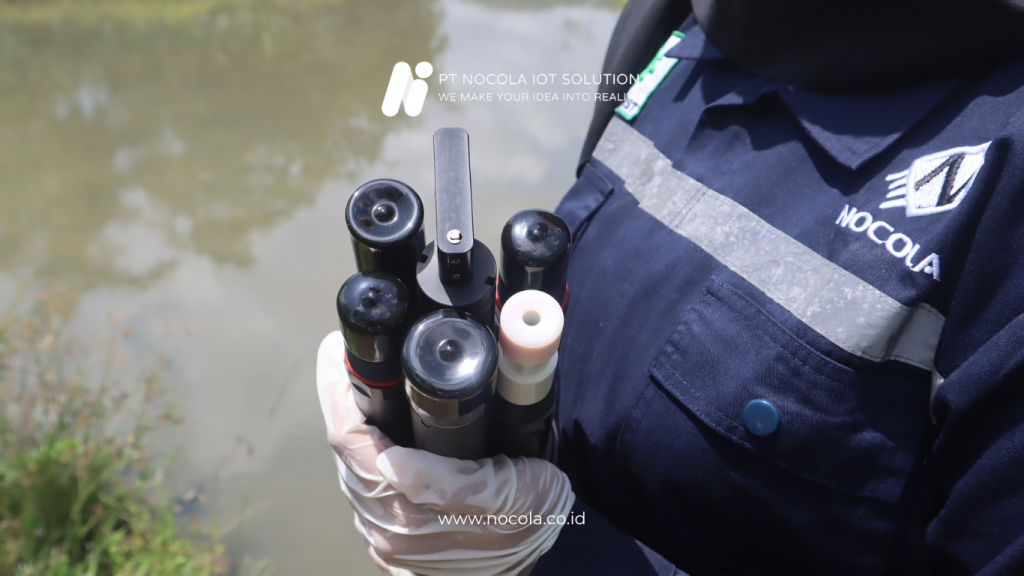
WQMS is an automated water quality monitoring system equipped with various sensors to measure water quality parameters directly in the field. The measurement data is then sent to a web-based or cloud dashboard, allowing monitoring at any time and from anywhere.
Some parameters typically measured by WQMS include:
With consistent and automated monitoring, WQMS helps reduce pollution risks while improving environmental management effectiveness.
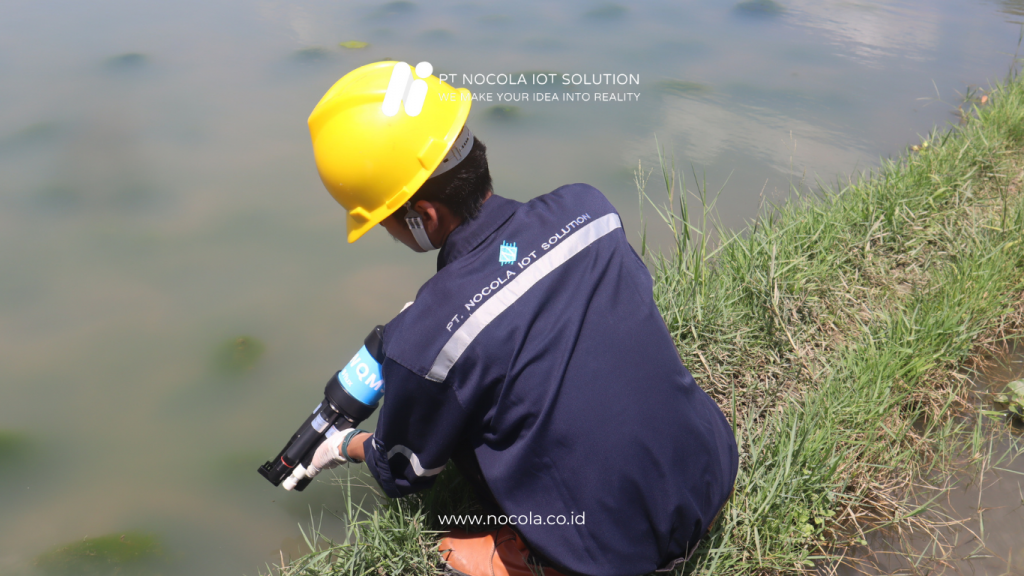
WQMS works by collecting water quality data using sensors placed in rivers, lakes, wastewater channels, or other points of interest. The operational flow of WQMS can be summarized as follows:
This dashboard is very helpful for field operators, local governments, and companies.
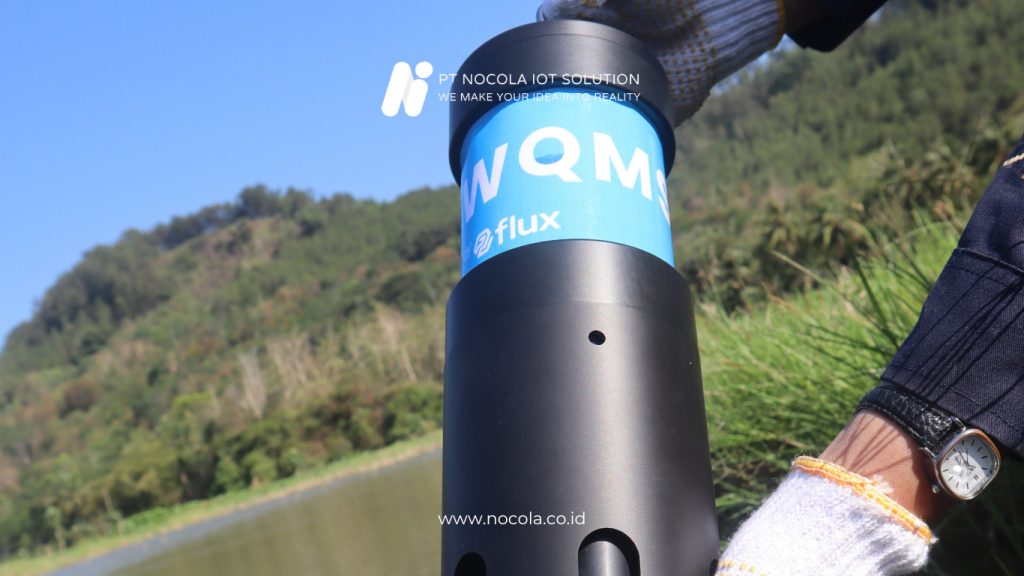
The most obvious benefit of implementing WQMS is to ensure compliance with environmental regulations. With an automated system, emission data can be sent directly to the government without manual intervention, thus guaranteeing data validity.
With real-time monitoring, potential violations of wastewater quality can be detected more swiftly, allowing corrective actions to be taken before it’s too late.
Companies are increasingly required to implement ESG (Environmental, Social, Governance) principles. WQMS helps provide supporting data as evidence of the company’s commitment to environmental stewardship.
Accurate data helps companies evaluate their production processes, prevent waste, and improve industrial waste management.
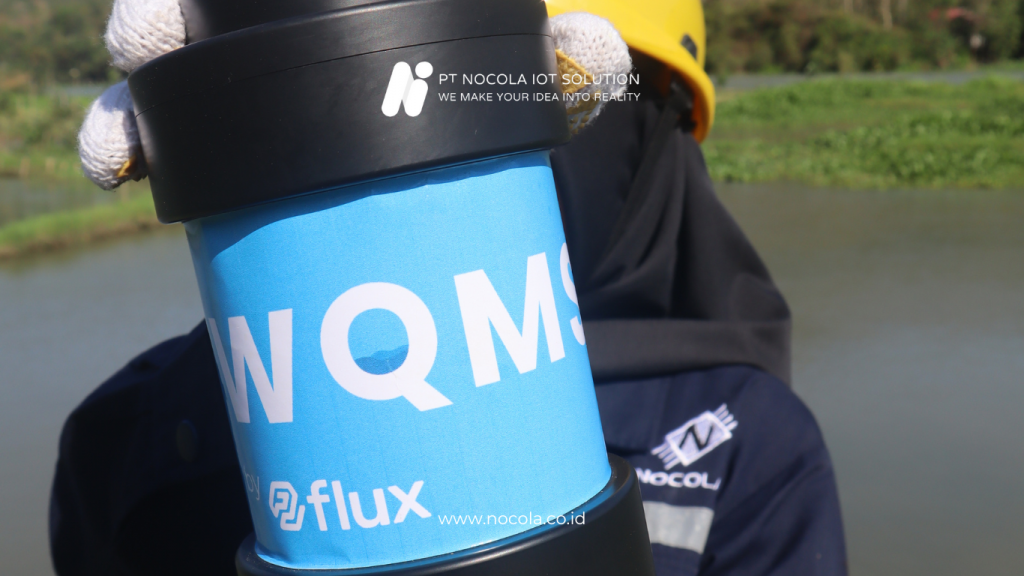
Local governments or ministries can monitor water quality across regions without constant field operations.
Automatic alerts provide warnings when hazardous parameters spike, accelerating incident response times.
WQMS plays a key role in the Smart City concept, particularly in managing natural resources.
Long-term monitoring results can serve as the basis for new regulations or evaluations of existing environmental laws.
The Water Quality Monitoring System (WQMS) is a vital technology in modern environmental management, both for industries and governments. With the capability to monitor water quality in real-time, this system provides accurate, fast, and reliable information. Industries can improve environmental compliance, reduce pollution risks, and support ESG implementation. Meanwhile, governments can leverage WQMS data for more transparent oversight and data-driven policy-making.
Amid rising environmental challenges, WQMS becomes a solution that not only facilitates monitoring but also fosters positive changes toward a cleaner, healthier, and more sustainable ecosystem.

