Indosat Ooredoo and Nocola IoT Solutions: Innovative Collaboration in Digitalizing WQMS for Mangrove Conservation in Banda Aceh
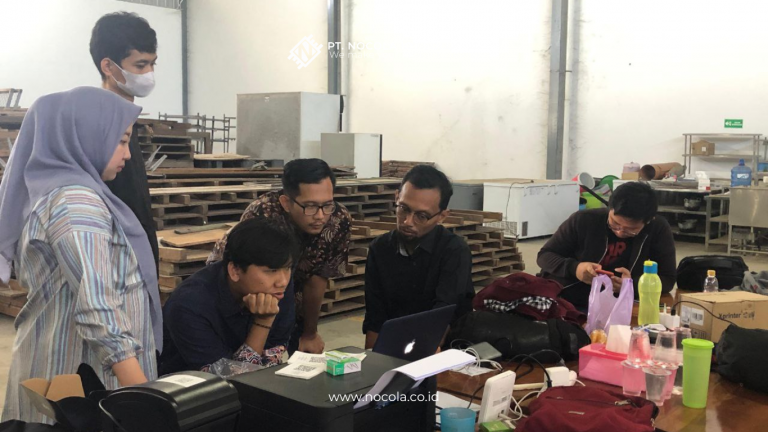
As part of supporting Corporate Social Responsibility (CSR) activities, Indosat Ooredoo and PT Nocola IoT Solutions have collaborated to create an innovative solution in the form of a Water Quality Monitoring System (WQMS) for a mangrove conservation project in Banda Aceh. This project aims to preserve the natural environment while leveraging advanced technology to support the sustainability of coastal ecosystems in Indonesia.
1. The Importance of Mangrove Conservation for the Environment

Read More: CEMS Nocola: Reducing Emissions with Continuous Emissions Monitoring
1.1 What Are Mangroves and Why Are They Important?
Mangroves are forest ecosystems that grow in tropical and subtropical coastal regions, particularly in Indonesia, which has the longest coastline in the world. Mangroves are crucial in maintaining the balance of coastal ecosystems, protecting shorelines from erosion, and serving as habitats for various marine species. Additionally, mangroves act as natural filters that can reduce water and air pollution.
Mangroves are also highly effective carbon sinks, absorbing five times more carbon than tropical rainforests. Therefore, their presence is vital in combating global climate change.
1.2 Challenges in Mangrove Conservation
Despite their remarkable benefits, mangrove ecosystems face numerous challenges. Land exploitation, unsustainable coastal development, and marine pollution have led to large-scale mangrove degradation. In many areas, including Banda Aceh, mangroves have been damaged due to land clearing for shrimp farming or tourism development that disregards environmental impacts.
To address these challenges, effective and sustainable solutions are needed to preserve mangrove ecosystems. One such solution involves using IoT (Internet of Things) technology through a digital water quality monitoring system.
2. Collaboration Between Indosat Ooredoo and Nocola IoT Solutions

Read More: INTI Expo 2024: Nocola Introduces Leading Products
2.1 Vision and Mission of CSR Collaboration
Indosat Ooredoo and PT Nocola IoT Solutions, in support of CSR activities, are committed to making a tangible contribution to environmental preservation. This collaboration not only demonstrates care for the environment but also reflects the practical application of modern technology to achieve sustainability goals.
The main objective of this project is to create a solution that can assist in monitoring and preserving the mangrove ecosystem in Banda Aceh. Through the digitalization of the Water Quality Monitoring System (WQMS), this project is expected to provide real-time data on water conditions around the mangroves and support sustainable mangrove rehabilitation efforts.
2.2 Benefits of the Collaboration for the Community and the Environment
This project not only has a positive impact on ecosystems but also provides direct benefits to the surrounding community. With an advanced monitoring system, local communities and government authorities can take appropriate measures to maintain the health of the mangrove ecosystem, prevent pollution, and optimize mangrove rehabilitation programs. On the other hand, this collaboration also creates opportunities for local communities to engage in more sustainable natural resource management.
3. Water Quality Monitoring System (WQMS) Technology

Read More: Collaboration Between IPB and PT Nocola IoT Solution: Smart Classroom Development
3.1 Understanding and Functions of WQMS
The Water Quality Monitoring System (WQMS) is a technology designed to automatically and in real-time measure water quality. This technology utilizes various sensors that can detect important water parameters such as temperature, pH, dissolved oxygen levels, turbidity, and the presence of harmful chemicals. The data collected by these sensors are then transmitted to a cloud-based platform, where the information can be accessed by users anytime and anywhere.
In the mangrove conservation project in Banda Aceh, WQMS plays a crucial role in monitoring the water conditions around the mangrove forests. With continuous monitoring, scientists and project managers can quickly identify problems affecting the mangrove ecosystem, such as pollution spikes or changes in water quality that could endanger mangrove growth and other organisms living within the ecosystem.
3.2 Key Features of Nocola’s WQMS
Nocola IoT Solutions’ WQMS is equipped with a variety of advanced features designed to support effective environmental monitoring:
- Real-Time Monitoring: WQMS provides live water quality data, enabling continuous monitoring without human intervention.
- Integrated IoT Connectivity: The system is connected to a cloud platform, allowing remote data access via the internet. Users can monitor water conditions from anywhere and receive alerts if there are significant changes in water quality.
- Automated Data Analysis: WQMS uses data analysis algorithms to identify trends and patterns in the collected data, helping project managers make better decisions in preserving the ecosystem.
- Early Warning System: This system can automatically issue alerts if pollution or other dangerous conditions are detected, allowing preventive actions to be taken immediately.
- Energy Efficiency: The WQMS devices are designed to be energy-efficient, allowing long-term use without frequent battery replacements.
4. Mangrove Conservation Digitalization Project in Banda Aceh

4.1 Background of the Project
Banda Aceh is one of the regions in Indonesia with a rich and important mangrove ecosystem. However, in recent years, the mangrove forests in this region have suffered degradation due to pollution and human activities. To restore the mangrove ecosystem and ensure its sustainability for the future, local authorities have collaborated with the private sector on various conservation projects, one of which is supported by Indosat Ooredoo and Nocola IoT Solutions.
4.2 Implementation of WQMS in Mangrove Conservation
This project utilizes WQMS technology to monitor water quality in rehabilitated mangrove areas. By installing sensors at various strategic points, the project team can monitor key parameters that affect the health of the mangrove ecosystem. The data collected helps scientists understand how water conditions impact the growth of mangroves and other organisms.
Additionally, the early warning system provided by WQMS enables the conservation team to quickly detect any increase in pollution or changes in water quality that require immediate action. This allows for a more responsive and effective approach to maintaining ecosystem health.
4.3 Collaboration with Local Communities
An essential aspect of this project is the collaboration with local communities. The local population is involved in the monitoring and rehabilitation of mangroves, which not only raises awareness of the importance of environmental conservation but also equips them with new skills in using modern technology. With the support of Indosat Ooredoo and Nocola IoT Solutions, local communities can actively participate in safeguarding the ecosystem in which they live.
5. Environmental and Social Benefits of This Project

Read More: Collaboration between HYDAC Indonesia and PT Nocola IoT Solution
5.1 Ecosystem Preservation
The primary benefit of this project is the preservation of the mangrove ecosystem, which is vital to the environment. Through real-time water quality monitoring, this project ensures that the environmental conditions around the mangroves remain conducive to their growth and the organisms living within the ecosystem.
5.2 Improved Quality of Life for Communities
This project also provides significant social benefits to the surrounding communities. With the conservation of mangroves, coastal populations can enjoy various ecological benefits provided by the mangroves, such as protection against coastal erosion, improved fisheries yield, and enhanced carbon absorption.
5.3 Technology Implementation in CSR
The collaboration between Indosat Ooredoo and Nocola IoT Solutions serves as an example of how technology can be applied in Corporate Social Responsibility (CSR) activities to generate positive, sustainable impacts. The use of modern technology like WQMS not only increases the efficiency of environmental conservation but also demonstrates how companies can contribute to global efforts to address climate change and preserve nature.
6. Conclusion: The Future of Mangrove Conservation with IoT Technology
Read Also: RSUD Banyumas X AMIKOM Purwokerto X Flux Collaboration for IoT Stroke Monitoring
The collaborative project between Indosat Ooredoo and Nocola IoT Solutions in developing a Water Quality Monitoring System (WQMS) for mangrove conservation in Banda Aceh is an innovative step towards a more sustainable future. By combining advanced technology with environmental stewardship, this project showcases how companies can play a vital role in preserving ecosystems crucial to human and planetary well-being.
The utilization of WQMS in this project helps ensure that the environmental conditions surrounding the mangroves can be effectively monitored and managed, providing hope that the mangrove forests in Banda Aceh will recover and continue to offer benefits for future generations.

CEMS Nocola: Reducing Emissions with Continuous Emission Monitoring
Climate change and increasing air pollution have become some of the biggest challenges faced by the world today. Many countries have tightened emission regulations to address this issue. This is where the crucial role of continuous emission monitoring technology, or Continuous Emission Monitoring System (CEMS), comes into play. One solution that has been developed is CEMS Nocola, which offers real-time emission monitoring, helping industries meet environmental standards while reducing negative impacts on the planet.
1. What is CEMS and Why is it Important?

Read More: Benefits of Implementing a CEMS (Continuous Emission Monitoring System) System for Industry
CEMS is a system used to continuously monitor exhaust gas emissions from industrial sources, such as power plants, factories, and other facilities that release pollutants into the air. This system measures the concentration of harmful gases such as sulfur dioxide (SO₂), nitrogen oxides (NOx), carbon monoxide (CO), and other particulates. With continuous monitoring, CEMS enables companies to comply with environmental regulations, as well as identify and address problems before they become larger.
The importance of CEMS cannot be overstated. With increasingly stringent environmental regulations, companies must be able to demonstrate that they are effectively monitoring and controlling their emissions. Beyond legal compliance, continuous monitoring also aids global efforts to reduce the impact of air pollution on human health and the environment.
2. The Advantages of Nocola CEMS in Emission Monitoring

Read More: Nocola X PT Cemindo Gemilang: Emission Monitoring System
Nocola CEMS is designed to offer a reliable, accurate, and efficient solution for emission monitoring. Here are some of the key advantages of Nocola CEMS:
- Real-time Monitoring: Nocola CEMS can provide real-time data, allowing companies to accurately monitor exhaust gas emissions at any time. This is crucial for identifying changes or spikes in emissions that could be dangerous if left unchecked.
- Accurate Analysis: The technology used by Nocola CEMS ensures that every piece of data collected is accurate and reliable. With high accuracy, companies can be confident that they are complying with emission standards set by the government.
- Automatic Alerts: The system is equipped with automatic alert features if emission levels exceed the set thresholds. This allows preventive actions to be taken before the situation worsens.
- Easy Data Management: Data collected by Nocola CEMS can be stored and analyzed through an easy-to-use management system. This helps companies compile environmental reports more efficiently and facilitates regulatory audits.
3. Implementation of Nocola CEMS Across Various Industry Sectors

Read More: Reducing Carbon Emissions in Power Plants: Solutions and Strategies
Nocola CEMS has been implemented across various industry sectors to help monitor and reduce emissions. Some of the key industries benefiting from this technology include:
- Power Plants: Power plants are often major emitters, especially those using fossil fuels. Nocola CEMS helps monitor exhaust gas emission levels continuously, ensuring that power plants meet stringent environmental standards.
- Manufacturing Industry: Many manufacturing plants, especially those in chemical, cement, or steel production, generate significant emissions. With Nocola CEMS, these industries can monitor emission levels and ensure they do not exceed regulatory limits.
- Waste Processing Industry: Waste management, particularly waste incineration, often generates harmful pollutants. Nocola CEMS provides a solution for monitoring gas emissions from these processes, safeguarding the environment and human health.
- Oil and Gas: The oil and gas sector also benefits from Nocola CEMS, which helps monitor emissions from drilling, production, and fuel refining processes.
4. How Nocola CEMS Works

Read More: IoT in the Energy Industry: Helping Reduce Carbon Emissions
Nocola CEMS uses advanced sensors to detect and measure various types of exhaust gases generated by industrial processes. This data is then sent to a central system, where it is analyzed and stored. The system also enables remote access, meaning that management and environmental inspectors can monitor the data from any location.
The working process of Nocola CEMS can be summarized in a few key steps:
- Sampling: Nocola CEMS continuously collects exhaust gas samples from chimneys or emission channels.
- Analysis: These samples are analyzed using gas sensors that are strictly calibrated to ensure data accuracy.
- Data Collection: Data generated from the analysis is stored and can be accessed in real-time via a dashboard.
- Reports and Alerts: The system provides periodic reports and can send automatic alerts if emission spikes exceed the allowable limits.
5. The Future of Emission Monitoring with Nocola CEMS

Read More: Overcoming Challenges in Continuous Emission Monitoring
The future of emission monitoring will involve more advanced technologies, enhanced accuracy, and greater automation. With the increasing development of IoT and cloud technology, emission monitoring will become more integrated, and Nocola CEMS is ready to play a crucial role in this evolution. The goal is to ensure that industries comply with environmental regulations and contribute to the broader objective of reducing global carbon emissions.
In the long run, the combination of digital transformation and smart environmental management will help industries operate more sustainably while meeting the demands of both the government and society.
Conclusion
With increasing pressure to reduce carbon emissions and adhere to stricter regulations, implementing a continuous emission monitoring system like Nocola CEMS is a key step for many industries. Offering real-time, accurate, and efficient solutions for emission control, Nocola CEMS helps companies not only meet legal requirements but also play a positive role in the fight against climate change. With continued advancements in technology, the future of emission monitoring looks brighter than ever
Facing the Industrial Future with Integrated IoT Solutions from Nocola
The global industry continues to evolve rapidly, with technology being one of the key drivers of this transformation. One technology that is redefining how industries operate is the Internet of Things (IoT). Nocola, as a provider of integrated IoT solutions, offers innovations that not only enhance efficiency but also open new opportunities for various industrial sectors. This article will discuss how Nocola’s IoT solutions are helping industries embrace a more advanced and connected future.
1. Introduction of IoT Solutions in Industry

Read More: Technological Innovation in Manufacturing: From IoT to AI
In recent years, IoT has emerged as a revolutionary solution across many industrial sectors. IoT allows devices to communicate with each other, exchange data, and provide insights previously unattainable. With IoT, factories, warehouses, and even entire supply chains can be monitored and optimized in real time.
Nocola’s IoT solutions integrate various devices, sensors, and systems to create an efficient and connected ecosystem. In this ecosystem, the data generated by devices and sensors are analyzed to support better decision-making, increase productivity, and reduce operational costs.
2. Advantages of Nocola’s Integrated IoT Solutions

Read More: INTI Expo 2024: Nocola Presents Leading Products
Nocola offers integrated IoT solutions designed for various industrial sectors. Here are some of the main advantages:
- Real-time Monitoring: With connected IoT sensors and devices, industries can monitor every aspect of their operations in real-time. This helps detect issues faster and prevent major disruptions that could affect productivity.
- Automation: Nocola’s IoT solutions enable automation of various industrial processes. From machine control to inventory management, this automation allows companies to operate more efficiently and reduce human errors.
- Data-driven Decision Making: The data collected by IoT systems are analyzed to provide deeper insights into industrial operations. This information helps management make smarter and more strategic decisions.
- Energy Efficiency: IoT can help industries monitor energy usage in detail and find ways to reduce consumption, which not only lowers costs but also supports sustainability initiatives.
3. Implementation of IoT Solutions Across Industrial Sectors

Read More: Nocola’s IoT Innovation at Industrial Roadshow Cikarang 2024
Nocola’s IoT solutions have been implemented across various industrial sectors with remarkable results. Some key sectors that have benefited include:
- Manufacturing: In the manufacturing sector, IoT is used for predictive maintenance, production process monitoring, and inventory management. With IoT, factories can ensure that machines are always in optimal condition and avoid unexpected downtime.
- Logistics and Transportation: IoT helps with vehicle tracking, fleet management, and delivery route optimization. IoT solutions enable logistics companies to reduce delivery times, save fuel, and improve operational efficiency.
- Energy and Utilities: In the energy sector, IoT enables monitoring of power grids, renewable energy management, and energy usage monitoring at the consumer level. With IoT, energy companies can reduce waste and maximize efficiency.
- Agriculture: IoT has transformed the agriculture sector through smart farming applications. IoT sensors enable real-time monitoring of soil moisture, temperature, and plant nutrients, helping farmers improve yields.
4. The Future of IoT in Industry

Read More: Securing IoT: Simple Steps to Protect Your Smart Devices
IoT is projected to continue to grow and become the backbone of industries in the future. As more companies adopt IoT solutions, we can expect more innovation and efficiency offered by this technology. Nocola, with its integrated IoT solutions, is ready to help industrial companies adapt to these changes and leverage technology to achieve their goals.
The adoption of IoT across various sectors will open new opportunities, from productivity gains to reducing environmental impact. In the future, Nocola will remain a key partner for companies looking to stay competitive in an increasingly complex and connected global market.
5. Challenges and Solutions in IoT Implementation

Read More: The History and Development of IoT: From Concept to Reality
As IoT continues to grow in industry, several challenges have also emerged. Some of the challenges that need to be addressed include:
- Security: IoT networks involve many connected devices, making them vulnerable to cyberattacks. Nocola provides security solutions that ensure each device is protected against potential threats.
- Integration: Integrating IoT systems into existing infrastructure can be complex. Nocola offers customized solutions to ensure smooth integration without disrupting business operations.
- Cost: Although IoT implementation can lead to long-term savings, the initial cost can be significant. Nocola helps companies maximize ROI by offering scalable and flexible IoT solutions.
Conclusion
Nocola’s IoT solutions provide companies with the opportunity to enhance operational efficiency, reduce costs, and open new growth opportunities. With IoT, industries can take advantage of real-time monitoring, automation, and data-driven decision-making to stay competitive in an increasingly connected world. Although challenges remain, Nocola is committed to providing innovative solutions that help businesses overcome these obstacles and achieve their full potential in the IoT era.

Advanced Agricultural Technology: Increasing Food Production with Smart Farming
In recent years, the world has faced significant challenges in meeting global food demands. As the population continues to grow, the demand for food has increased drastically, while available agricultural land is becoming more limited. Advanced agricultural technology has emerged as a key solution to address this issue, offering new and innovative ways to boost food production. One of the most prominent trends is smart farming, which utilizes technologies like sensors, IoT (Internet of Things), drones, and artificial intelligence (AI) to help farmers manage their land and resources more efficiently.
This article will explore various advanced agricultural technologies that have been adopted in the world of smart farming, how they enhance food production, and their impact on the future of global agriculture.
1. Understanding Smart Farming

Read More: Smart Home Technology: The Future of Smart Homes
Smart farming is a modern agricultural concept that leverages digital technology to improve efficiency, productivity, and sustainability in the farming sector. This technology includes sensors, drones, automation systems, big data, AI, and IoT devices used to manage various agricultural aspects like irrigation, fertilization, crop monitoring, and harvest planning.
Through the use of accurate and real-time data, smart farming allows farmers to make more precise and effective decisions in managing their land and crops. This concept also supports precision agriculture, where resources like water and fertilizer are used precisely, reducing waste and minimizing negative environmental impacts.
2. IoT Technology in Smart Farming

Read More: Smart Industry Concept: How Technology is Changing the Way Factories Work
One of the key components of smart farming is the use of the Internet of Things (IoT). IoT enables agricultural devices like sensors and drones to communicate with each other and automatically send data to a central system. This data is then analyzed to provide valuable insights to farmers.
a. Soil and Climate Sensors
IoT sensors placed on agricultural land can monitor various crucial factors such as soil moisture, temperature, nutrient levels, and weather conditions. This information allows farmers to adjust their farming practices in real-time, for instance, by optimizing irrigation when the sensors detect that the crops need more water.
b. Automated Irrigation Systems
By combining soil sensors and automated irrigation systems, water is only delivered to the crops that need it. This technology helps reduce water usage and ensures that crops receive optimal water supply, even in areas prone to drought.
c. Crop Health Monitoring
IoT sensors can also be used to monitor crop health by detecting diseases or pests early. With the data collected by these sensors, farmers can take preventive actions faster and avoid losses from failed harvests.
3. The Use of Drones and AI in Agriculture

Read More : Digitization in Agriculture: From Management Systems to Automation
Drone and artificial intelligence (AI) technology have played a significant role in enhancing efficiency on agricultural land. These technologies help monitor vast areas, analyze data from the land, and provide farmers with guidance on actions to take.
a. Land Monitoring with Drones
Drones allow faster and more accurate land monitoring. Equipped with advanced cameras, drones can map land in detail, monitor crop growth, and detect issues such as pest or disease damage. The visual data produced by drones enables farmers to make better and faster decisions.
b. Artificial Intelligence (AI) for Prediction and Analysis
AI is used to analyze data collected from IoT sensors and drones. By using machine learning algorithms, AI can make predictions about crop yields, fertilizer needs, or disease risks. This analysis helps farmers plan better strategies for maintaining crop health and boosting productivity.
AI is also used to develop more accurate weather models, helping farmers prepare for changing weather conditions, such as droughts or heavy rainfall.
4. Precision Agriculture: Higher Efficiency

Read More: The Use of Agricultural Sensors in Modern Farming
Precision agriculture is a vital component of smart farming aimed at optimizing the use of resources such as water, fertilizers, and pesticides. By utilizing data collected from advanced technologies, precision agriculture enables farmers to provide specific treatments for small sections of farmland, rather than applying the same approach to the entire field.
a. Precision Fertilization
In traditional farming, fertilizers are often spread evenly across the entire field, which can result in fertilizer waste in areas that do not require it. With precision agriculture, sensors can measure nutrient needs for each part of the field, so fertilizers are only applied where necessary. This not only increases the efficiency of fertilizer use but also reduces environmental pollution caused by excess fertilizer runoff.
b. Optimized Harvesting Techniques
By analyzing data from IoT devices and AI, precision agriculture can also optimize the timing of crop harvesting. This ensures that crops are harvested at the ideal time to achieve maximum yield and quality.
5. Challenges and Future of Smart Farming

Read More: Technological Innovations in Sustainable Agriculture
While smart farming holds immense potential, there are several challenges to overcome. For instance, the high costs of adopting technology, especially for small and medium-sized farms, can be a significant barrier. Additionally, there are concerns related to data privacy, as massive amounts of data collected by sensors and other devices could be vulnerable to cyber-attacks.
However, despite these challenges, the future of smart farming looks promising. With technological advancements continuously evolving, smart farming is expected to become more affordable and accessible, even for smaller farms. This will help meet global food demand while reducing environmental impact and increasing agricultural efficiency.
Conclusion
Smart farming has revolutionized modern agriculture, offering solutions to increase food production efficiency while minimizing the use of resources. Through the integration of IoT, AI, drones, and other advanced technologies, smart farming enables farmers to monitor their crops and land more accurately and make better decisions. With continuous innovation, smart farming will continue to play a crucial role in meeting global food demand while promoting more sustainable agricultural practices.
Read more: More Blogs

Cybersecurity in the Digital Era: Facing the Threat of Cyber Attacks
The development of technology in the digital era brings various conveniences to everyday life, especially in terms of information and communication access. However, behind this progress, threats to data and information security are increasing. Cyberattacks have become one of the biggest threats faced by companies, governments, and individuals. This article will discuss the importance of cybersecurity in the digital age and how to deal with the evolving threats of cyberattacks.
Introduction to Cybersecurity

Read Also: Cybersecurity in IIoT
Cybersecurity refers to the practice of protecting systems, networks, programs, and data from digital attacks that aim to damage, steal, or access information without authorization. Alongside the increasing use of digital technology, the need for cybersecurity has also grown. Cyberattacks can occur at any time and target various sectors, including financial, health, education, and technology companies.
Types of Cyberattacks

Read Also: How to Enhance Your Online Data Security
To understand the importance of cybersecurity, we must recognize the various types of cyberattacks that frequently occur:
- Malware: Harmful software designed to damage or disrupt computer systems. Examples of malware include viruses, worms, ransomware, and spyware.
- Phishing: A method where attackers attempt to obtain sensitive information such as passwords and credit card details by impersonating a trusted entity via fake emails or websites.
- DDoS (Distributed Denial of Service) Attacks: These attacks aim to disrupt normal traffic to a website by overwhelming the server with fake traffic, causing the system to go down and become inaccessible.
- Man-in-the-Middle (MitM) Attacks: Attackers position themselves between two communicating parties to steal the information being transmitted.
- SQL Injection: This attack is conducted by injecting malicious code into a database via SQL commands, allowing attackers to access sensitive data.
Impact of Cyberattacks

Read Also: Monitoring Home Security with IoT Cameras
The impact of cyberattacks is vast and severe. Here are some of the possible consequences:
- Financial Loss: Many companies lose millions of dollars due to cyberattacks, especially from ransomware and financial data theft.
- Loss of Consumer Trust: A successful attack that steals customer data can damage a company’s reputation and reduce consumer trust.
- Operational Disruption: Attacks such as DDoS can cause operational disruptions that result in business losses.
- Privacy Violations: Stolen personal data, such as health or financial information, can be misused by irresponsible parties.
- National Security Risks: Cyberattacks targeting critical infrastructure such as power grids, water, and transportation networks can cause widespread damage on a national scale.
The Role of Cybersecurity in Facing Cyber Threats

Read Also: AI-Based Cybersecurity for Protection in the Digital Era
Protecting against cyberattacks involves not only technology but also solid strategies and policies. Some steps that can be taken to enhance cybersecurity include:
- Using Up-to-Date Security Software: Ensuring that systems are protected by antivirus and firewall software that is regularly updated is essential to counter evolving threats.
- Employee Education and Training: Raising awareness of cyber threats among employees and training them to recognize attack signs like phishing is crucial for safeguarding company security.
- Strong Passwords and Multi-Factor Authentication: Complex passwords and the use of multi-factor authentication (MFA) can prevent unauthorized access to systems.
- Regular System Monitoring: Actively monitoring suspicious activity in networks can help detect attacks before significant damage occurs.
- Regular Data Backup: Ensuring that important data is backed up regularly and stored securely can help companies recover data in the event of a ransomware attack.
Cybersecurity Regulations and Policies

Read Also: Privacy Policies in the Digital Era
Governments around the world are taking steps to enhance cybersecurity through laws and regulations. Companies that fail to comply with these regulations risk legal consequences and fines. Examples of cybersecurity regulations include:
- General Data Protection Regulation (GDPR): This European regulation requires companies to protect the personal data of EU citizens and report data breaches within 72 hours.
- California Consumer Privacy Act (CCPA): This regulation provides California residents the right to know, delete, and opt-out of the sale of their personal information.
- Health Insurance Portability and Accountability Act (HIPAA): This U.S. law requires healthcare organizations to protect patient information and ensure the confidentiality, integrity, and availability of health data.
Conclusion
In the face of ever-evolving cyber threats, cybersecurity is essential for protecting systems, data, and privacy. By taking proactive measures and following regulations, companies and individuals can minimize the risk of cyberattacks and maintain the security of their digital information. Cybersecurity will continue to play a critical role as technology advances and cyber threats become more sophisticated.

ChatGPT and Generative AI: Changing the Way We Communicate and Work
The development of artificial intelligence (AI) technology has advanced rapidly in recent years. One of the most exciting aspects of AI is the emergence of generative AI, which has the ability to create content, text, images, and even music through machine learning processes. ChatGPT, built on the Generative Pre-trained Transformer (GPT) model, is a tangible example of generative AI that has revolutionized how we communicate and work. In this article, we will discuss how ChatGPT and generative AI in general impact various aspects of life, from work to communication, as well as the opportunities and challenges they bring.
1. What is Generative AI?

Read Also: Digital Marketing Trends: How Technology is Changing Marketing Strategies
Generative AI is a subfield of artificial intelligence that focuses on a machine’s ability to generate new content from learned data. Using deep learning algorithms, generative AI can analyze large amounts of data and then generate text, images, videos, and other forms of content that appear original and creative.
One of the most popular applications of generative AI is ChatGPT. This model is trained on millions of text data from various sources to understand human language patterns and then generate text based on received input. Other generative AIs are also used to create art, product design, as well as in healthcare and scientific research.
2. ChatGPT: A Revolution in Communication

Read Also: How to Choose an ERP System for the Manufacturing Industry
ChatGPT has become a highly influential tool in the world of digital communication. Its ability to interact in natural language, providing logical and human-like responses, has opened up various possibilities in communication, both for individuals and businesses.
a. Use in Customer Service
ChatGPT has been widely used in customer service as a chatbot. Many companies now rely on AI-based chatbots to provide instant responses to customers, answer common questions, and handle simple issues without the need for direct human interaction. This allows companies to increase efficiency and provide 24/7 service.
b. Virtual Assistant
ChatGPT also serves as a virtual assistant, helping people accomplish various tasks such as writing emails, creating documents, and even providing decision-making advice. These virtual assistants are capable of understanding context and offering advice tailored to the user’s needs, making them highly valuable tools in the professional world.
c. Improving Communication Accessibility
One of the biggest advantages of ChatGPT is its ability to make communication more accessible to everyone, including those who may have language limitations or disabilities. For instance, ChatGPT can translate text, simplify complex information, and assist those who may have difficulty with writing or reading.
3. ChatGPT’s Impact on the Workplace

Read Also: ChatGPT in Today’s Digital World: Friend or Foe?
Beyond communication, ChatGPT and generative AI also have a significant impact in the workplace. They are transforming how we work, collaborate, and accomplish daily tasks. Here are some areas where generative AI is starting to play a key role.
a. Automating Routine Tasks
One of the main advantages of ChatGPT is its ability to automate routine tasks that usually take a long time, such as writing reports, preparing proposals, or performing simple data analysis. With generative AI, administrative work can be completed faster and more accurately, allowing employees to focus on more strategic tasks.
b. Remote Collaboration
In the post-pandemic era, remote collaboration is becoming increasingly common. ChatGPT helps boost team productivity by providing automated solutions in team communication, such as scheduling meetings, task reminders, and assisting in brainstorming creative ideas. ChatGPT can act as a mediator, ensuring smooth workflow among teams spread across different locations.
c. Enhancing Creativity and Ideas
Generative AI like ChatGPT is not just limited to administrative tasks but can also stimulate creativity. In industries like marketing and advertising, ChatGPT can help generate new ideas for campaigns, written content, or even graphic design. By providing creative input, ChatGPT helps teams think outside the box and discover fresh approaches.
4. ChatGPT’s Impact on Industries

Read Also: The Role of Chatbots in Improving Customer Service
Beyond individuals and companies, ChatGPT is also bringing significant changes across various industries. Its influence extends to sectors like education, healthcare, media, and more.
a. Education
In education, ChatGPT has been used as a learning aid for students and teachers. It helps explain complex concepts, answer questions, and provide personalized learning experiences. Educational institutions also use AI tools to streamline administrative tasks like grading, scheduling, and student assessments.
b. Healthcare
In healthcare, ChatGPT is used to assist doctors in diagnosing diseases by providing information and predictions based on patient data. AI also helps optimize treatment plans and patient care through data analysis and automating routine tasks like appointment scheduling.
c. Media and Journalism
Media and journalism also benefit from generative AI through automated content creation. AI can write articles, generate reports, and even create video scripts in a short time. With AI, media companies can produce more content at a faster rate while maintaining quality.
Conclusion
ChatGPT and generative AI have brought major changes to the way we communicate and work. From improving efficiency in customer service to supporting creativity in the media industry, generative AI is having a far-reaching impact across various sectors. However, behind the potential benefits, there are challenges that must be faced, such as data accuracy, privacy, and potential job placement. The ChatGPT and generative AI front is full of opportunity, and with proper stewardship, these technologies will continue to change the world in positive and beneficial ways.

Electric Vehicles: The Future of Environmentally Friendly Transportation
In recent decades, the issues of climate change and air pollution have become global concerns. The transportation sector is one of the main contributors to carbon emissions, which exacerbates global warming and deteriorates air quality. In an effort to address these issues, electric vehicles have emerged as an eco-friendly and efficient solution. From cars to motorcycles, electric vehicles have the potential to reduce our dependence on fossil fuels and help create a greener future. This article will discuss how electric vehicles can be the future of environmentally friendly transportation, as well as the challenges and opportunities they face.
1. What Are Electric Vehicles?

Read Also: Technological Innovations in Power Plants: From Renewable Energy to Advanced Technologies
Electric vehicles are vehicles that use an electric motor as their power source, instead of an internal combustion engine that uses fossil fuels. Electric vehicles are powered by rechargeable batteries, typically using electricity from the public power grid. Electric vehicles can come in various forms, including cars, buses, trucks, motorcycles, and even bicycles.
Types of Electric Vehicles
- Battery Electric Vehicles (BEVs): Fully electric vehicles with no internal combustion engine. Examples: Tesla Model 3, Nissan Leaf.
- Plug-in Hybrid Electric Vehicles (PHEVs): Vehicles that use a combination of an electric motor and an internal combustion engine. Their batteries can be recharged via an electrical outlet. Examples: Toyota Prius Plug-in, Chevrolet Volt.
- Hybrid Electric Vehicles (HEVs): Vehicles that have both an internal combustion engine and an electric motor, but their batteries cannot be recharged externally, only through energy regeneration while driving. Examples: Toyota Prius Hybrid.
2. Environmental Benefits of Electric Vehicles

Read Also: The Role of Digital Technology in Power Plant Management
a. Reducing Carbon Emissions
One of the biggest advantages of electric vehicles is the reduction of carbon emissions. Electric vehicles do not produce harmful exhaust gases as they do not rely on fossil fuels. By switching to electric vehicles, we can reduce the amount of CO2 released into the atmosphere, thereby helping to mitigate climate change. In the best-case scenario, electric vehicles charged using renewable energy like solar or wind power produce zero carbon emissions.
b. Reducing Air Pollution
In addition to carbon emissions, fossil fuel-powered vehicles also produce other pollutants such as nitrogen oxides (NOx) and fine particulates that harm air quality and public health. Electric vehicles do not generate these pollutants during operation, making them a potential solution for improving air quality in densely populated urban areas.
c. Higher Energy Efficiency
Electric motors are more efficient than internal combustion engines. About 60% to 80% of the energy from the battery is converted into vehicle movement in electric cars, whereas conventional cars only convert around 20% to 30%. This means electric vehicles can operate with less energy to cover the same distance, making them more energy-efficient and cost-effective.
3. Challenges in Electric Vehicle Development

Read Also: Reducing Carbon Emissions in Power Plants: Solutions and Strategies
While electric vehicles offer many benefits, there are some challenges that need to be addressed before they can fully replace fossil-fuel-powered vehicles.
a. Charging Infrastructure
One of the main challenges in the adoption of electric vehicles is the lack of widespread and accessible charging infrastructure. To encourage more people to switch to electric vehicles, there needs to be a broad network of charging stations, both at home and in public places such as fast-charging stations on highways and in shopping malls.
b. Charging Time
Although battery charging times for electric vehicles are becoming faster with advancements in technology, charging still takes longer than refueling conventional vehicles. Fast charging can take from 30 minutes to several hours, depending on the type of battery and charging technology.
c. Range Limitations
The driving range of electric vehicles remains a challenge for consumers, especially for long-distance travel. Current electric cars have an average range of about 300 to 400 kilometers on a single charge, while fossil-fuel vehicles can travel longer distances without needing to refuel.
4. Technological Advancements in Electric Vehicles

Read Also: Reducing Carbon Emissions in Power Plants: Solutions and Strategies
As demand for electric vehicles increases, the technology that supports them continues to evolve. Innovations in battery design, charging infrastructure, and energy management are key to a future of more efficient and reliable electric vehicles.
a. Battery Innovations
The development of lithium-ion batteries has significantly improved the energy density and efficiency of electric vehicles. However, new battery technologies such as solid-state batteries, which offer faster charging times, greater range, and increased safety, are emerging as the next generation of energy storage solutions.
b. Autonomous Electric Vehicles
Electric vehicles are often integrated with autonomous driving technology, creating a vision of a future where self-driving cars are powered by clean energy. This combination can improve transportation efficiency, reduce traffic accidents, and lower the environmental impact of traditional transportation systems.
Conclusion
Electric vehicles represent a major step forward in creating a more sustainable and environmentally friendly transportation system. Their ability to reduce carbon emissions, improve air quality, and provide energy-efficient alternatives makes them a key component of the future of transportation. However, challenges such as charging infrastructure, battery technology, and range limitations need to be addressed for electric vehicles to achieve their full potential. With continued advancements in technology and infrastructure, electric vehicles are on the road to becoming the transportation solution of tomorrow, helping us transition to a cleaner, greener planet.
For more insights and technological innovations, visit Nocola IoT Solutions.

Nocola Flux: IoT Solutions for a More Connected and Efficient Smart City
Smart Cities are becoming increasingly popular due to the rapid development of technology, particularly in the Internet of Things (IoT). This concept offers solutions to address urban challenges through connected technology. It enables more efficient, energy-saving, and environmentally friendly city management. To support this, Nocola introduces Nocola Flux, an IoT solution designed to create a more connected and efficient Smart City.
What Is Nocola Flux?

Read More: Smart Hotel with fluxLiving: Advanced Monitoring & Control
Nocola Flux is an integrated IoT platform. This solution is designed to connect, manage, and optimize IoT devices across various scales, from smart homes to Smart Cities. Its key components include Fluxbox, Fluxgateway, Fluxdashboard, Fluxcloud, and Fluxtrack. These enable users to efficiently monitor and control devices. Cities can monitor the environment, infrastructure, security, and public services in real-time, creating smarter, safer, and more sustainable cities.
The Benefits of Nocola Flux for Smart Cities

Read More:Smart Office: Transforming Your Office into a Smart Office with fluxLiving
1. Better Connectivity
Connectivity is key to a Smart City. Nocola Flux provides reliable connections between IoT devices throughout the city, from environmental sensors to energy management devices. Stable connections ensure that devices function properly and that data is always accessible.
2. Real-Time Environmental Monitoring
Nocola Flux supports the use of IoT sensors to monitor air quality, water, and other environmental conditions in real-time. Municipalities can take immediate action if issues, such as increased pollution, arise. Continuous monitoring helps cities proactively protect the environment and the health of their citizens.
3. Traffic and Transportation Optimization
Traffic congestion is a major issue in large cities. Nocola Flux helps alleviate this by providing real-time traffic monitoring. Sensors are strategically placed to collect traffic data, which is used to optimize traffic flow, reduce wait times, and improve public transportation efficiency. Additionally, smart parking systems help drivers find parking spots more quickly.
4. Energy Efficiency
Smart Cities must focus on energy efficiency. Nocola Flux allows cities to monitor energy usage in public infrastructure, including public buildings, streetlights, and other facilities. The data collected is used to optimize energy use and reduce waste. For example, streetlights can be activated only when there is activity, saving energy.
5. Improved Public Safety
Security is a priority for Smart Cities. Nocola Flux supports enhanced security through integrated surveillance systems. Surveillance cameras and security sensors are connected to the IoT network, providing real-time monitoring and detecting suspicious activities. Municipalities can respond to incidents more quickly and improve public safety.
6. Efficient Water and Waste Management
Water and waste management are also critical in Smart Cities. Nocola Flux enables smart monitoring of water usage, leak detection, and waste management. Sensors provide real-time information about the condition of the water network, allowing issues to be addressed more quickly. This management efficiency helps conserve resources and protect the environment.
How Nocola Flux Helps Realize Smart Cities

Read More: Implementation of River Level Monitoring with fluxEWS in a Residential Area of South Tangerang
1. Integrated System
The core strength of Nocola Flux lies in its integrated system that connects various IoT devices. All data can be accessed via the Fluxdashboard, which presents an easy-to-understand interface. This integrated system allows city governments to better manage infrastructure, ensuring that all Smart City components work in sync.
2. Cloud-Based Monitoring with Fluxcloud
With Fluxcloud, all data from IoT devices is stored in the cloud, accessible anytime, anywhere. The use of the cloud ensures data security and real-time access. City stakeholders can easily monitor devices and implement data-driven changes.
3. Accessibility and Flexibility
Nocola Flux is flexible and adaptable to various needs. This solution can be applied to public infrastructure, office buildings, and transportation networks. Its flexibility allows cities to tailor technology to their needs and challenges.
The Future of Nocola Flux in Smart Cities

Read More: Smart Home Technology: The Future of Smart Homes
IoT technology continues to evolve, and Nocola Flux will play a key role in Smart City development. With continuous innovation, Flux will cover more applications, such as smart grids for renewable energy or autonomous transportation systems. The use of 5G and artificial intelligence will make Nocola Flux more efficient. Global IoT standards will also enhance interoperability between devices, strengthening Nocola Flux’s role in the global Smart City ecosystem.
Conclusion
Nocola Flux offers an integrated IoT solution to support more efficient and sustainable Smart Cities. With the ability to monitor the environment, optimize energy, and enhance security, Nocola Flux helps cities face modern challenges more intelligently. As a flexible and scalable platform, Nocola Flux is poised to play a vital role in shaping the future of Smart Cities worldwide.

Technological Innovation in Power Generation: From Renewable Energy to Advanced Technology
The power generation industry has undergone a significant transformation along with technological advancements. These changes are driven by the need for cleaner and more efficient energy. Environmental awareness encourages innovation to improve the quality and quantity of energy produced. Traditional power plants, based on fossil fuels, are now beginning to be replaced by renewable energy sources and advanced technologies that are more environmentally friendly.
The Evolution of Power Plants

Read More: The Role of Digital Technology in Power Plant Management
Since the 19th century, conventional power plants have relied heavily on fossil fuels such as coal, oil, and natural gas. However, dependence on these energy sources has had a negative impact on the environment. High carbon emissions and air pollution have forced the energy industry to seek more environmentally friendly solutions.
Renewable Energy: The Solution for the Future

Read More: Reducing Carbon Emissions in Power Plants: Solutions and Strategies
Renewable energy has become a key focus in power plant revitalization. Energy sources such as solar, wind, water, and biomass offer cleaner alternatives. Solar power plant technology continues to evolve, improving solar panel efficiency. Similarly, wind power plants are utilizing more efficient turbines.
Hydropower plants also play a key role, particularly in countries with abundant water resources. In some regions, hydropower plants are the main contributors to the national energy system due to their ability to generate large amounts of energy with low emissions.
Advanced Technology in Power Plants

Read More: OCPP, Open Charging Protocol for Electric Vehicles
Besides renewable energy, advanced technology also plays a major role in improving power plant efficiency. Artificial Intelligence (AI) and the Internet of Things (IoT) are increasingly being applied. AI monitors the performance of power plants in real-time and detects issues before they cause major disruptions. Meanwhile, IoT enables devices to connect with each other, providing better visibility and control.
Blockchain technology is also starting to be used in energy management. With blockchain, energy transactions become more transparent and secure, enabling more efficient energy distribution. Users can even sell surplus energy from their solar panels to the power grid.
Smart Power Plants

Read More: Build Your Own Charging Point for Electric Vehicles
One of the biggest innovations is the “smart power plant.” This concept uses digital technology to optimize operations and increase efficiency. With the help of advanced sensors and data analytics, smart power plants can predict energy demand, allowing for accurate output adjustments to avoid waste.
Smart power plants are also connected to smart grids. This technology enables more efficient and reliable energy distribution. The smart grid uses advanced communication technologies to manage energy flow more flexibly. This supports the integration of renewable energy sources and reduces the risk of blackouts.
The Future of Power Plants

Read More: Smart Home Technology: The Future of Smart Homes
The future of power plants relies on a combination of renewable energy and advanced technology. Energy storage technologies, such as lithium-ion batteries, play a crucial role. These storage systems ensure the sustainability of renewable energy-based systems. Energy from the sun and wind can be stored and used at any time, even when weather conditions are less favorable.
Additionally, hydrogen-based power generation technology shows great potential. Hydrogen, as a clean fuel that only produces water, is seen as a long-term decarbonization solution. Research is ongoing to make hydrogen more efficient and economical.
Conclusion
Technological innovations in power plants pave the way toward a cleaner and more efficient future. From renewable energy to technologies like AI and blockchain, each component plays an important role. The challenge ahead is to implement these innovations broadly and evenly. By doing so, we can achieve sustainable energy for society and the environment.
Wearable Technology: The Latest Innovations in Wearable Devices
Wearable technology, or devices that are worn, has become one of the most exciting technology trends in recent years. These devices are not just fashion statements but also offer high functionality, helping users in various aspects of life such as health, sports, and communication. This article will discuss the latest innovations in wearable technology and how these devices are transforming everyday life.
What is Wearable Technology?

Read Also: Digital Transformation in Retail: Why Technology is the Key to Success?
Wearable technology refers to electronic devices designed to be worn on the human body. The most common examples are smartwatches, fitness trackers, and smart glasses. These devices are typically connected to smartphones or computers to send and receive real-time data. Their functions vary widely, from health monitoring and tracking physical activities to delivering notifications from other devices.
Latest Innovations in Wearable Technology

Read Also: Technological Innovation in Manufacturing: From IoT to AI
Wearable technology is continuously evolving beyond smartwatches and fitness trackers. There are numerous new innovations that are making these devices more advanced and multifunctional. Here are some of the latest innovations in wearable technology:
1. Smartwatches with Artificial Intelligence
Today’s smartwatches not only offer timekeeping and notifications but are also equipped with artificial intelligence (AI). AI allows these watches to analyze user behavior patterns and provide personalized recommendations to improve health and productivity. For example, smartwatches can suggest workout schedules or alert users if their heart rate is abnormal.
2. Smart Glasses with Augmented Reality (AR)
Smart glasses have evolved from simple visual tools to devices featuring augmented reality (AR). AR technology allows users to see digital information overlaid on the real world through their glasses. This innovation is highly useful in industries such as education and entertainment. For example, smart glasses can be used by technicians to view work instructions directly on-site without needing to open a manual.
3. Smart Clothing
Wearable technology isn’t just limited to accessories like watches or glasses. Smart clothing is now a new trend in the tech industry. Smart clothing has sensors that can monitor body temperature, heart rate, and even measure posture. This technology is especially beneficial for athletes or those who want to track their health in more detail.
4. Wearables for Medical Purposes
One of the most significant innovations in wearable technology is devices designed specifically for medical purposes. These devices can continuously monitor patients’ health conditions, such as blood sugar levels, blood pressure, or sleep patterns. Some devices can even detect early signs of heart attacks or strokes and send alerts to both the user and the doctor.
Benefits of Wearable Technology in Daily Life

Read Also: Cloud Computing Technology: Benefits and Challenges
With continuous innovations, wearable technology offers a variety of benefits in daily life. Some of the main advantages of wearable technology include:
1. Better Health Monitoring
One of the greatest benefits of wearable technology is the ability to monitor users’ health in real-time. With devices such as fitness trackers and smartwatches, users can monitor their heart rate, sleep quality, stress levels, and more. This allows for early detection of health problems and motivates users to live healthier lifestyles.
2. Increased Productivity
Wearable technology can also help boost productivity. For instance, smartwatches can remind users of important tasks, send notifications from their phones without having to take out the device, and even measure time spent on various activities. Some devices even use AI to offer suggestions on how to improve productivity.
3. Easier Entertainment and Communication

Read Also: Benefits of Cloud Computing for Small Businesses
Wearables like smart glasses and wireless earbuds enable users to enjoy entertainment and communication more conveniently. Smart glasses with AR can be used to play immersive games or watch multimedia content in a more engaging way. Meanwhile, advanced wireless earbuds offer high-quality audio experiences and integration with voice assistants like Siri or Google Assistant.
4. Safety and Security
Some wearable devices are also designed to enhance users’ safety and security. For instance, wearables with fall detection features can send alerts to emergency contacts if the user experiences an accident. There are also wearables that can track the user’s location, which is very useful for children or elderly people who need extra supervision.
Challenges and Limitations of Wearable Technology
Despite its many benefits, wearable technology also faces several challenges and limitations that need to be addressed. One major concern is privacy. Since wearables often collect sensitive user data, there is the potential for misuse or hacking. In addition, the limited battery life of some devices can hinder their usability, especially for those who want to monitor their health or activities over extended periods.
Conclusion
Wearable technology continues to develop rapidly, offering many innovations that can significantly impact users’ daily lives. From health monitoring and productivity improvements to entertainment and security, the advantages of wearable technology are numerous. However, users must remain aware of the challenges related to privacy and battery life. As technology continues to evolve, wearable devices are likely to become even more integrated into various aspects of life, providing smarter, more personalized experiences for everyone.