Implementing WQMS in Semarang: PT Nocola IoT Solution’s Innovative Solution in Water Quality Monitoring
Water quality is one of the most crucial environmental issues, especially in areas with rapid industrial activity and urbanization, like Semarang. The need for continuous and accurate water quality monitoring has led many to adopt the latest technology. One such technology is the Water Quality Monitoring System (WQMS), designed to measure various water quality parameters in real-time. PT Nocola IoT Solution, a pioneer in IoT technology innovation, has installed the WQMS in Semarang, providing an advanced solution for more effective water quality monitoring. This article will discuss the functions, features, and benefits of WQMS in the effort to maintain water quality in Semarang.
1. What is Water Quality Monitoring System (WQMS)?

Water Quality Monitoring System (WQMS) is a system designed to monitor water quality by measuring key parameters such as pH, temperature, dissolved oxygen, conductivity, and turbidity. Sensors connected to the system automatically collect data, which is then analyzed and stored in real-time. The use of IoT technology in this system allows the data to be sent directly to the cloud, making it accessible anytime and anywhere by relevant parties.
Key Features of WQMS:
- Real-Time Monitoring: WQMS continuously collects and transmits data, enabling live monitoring of water quality without delay.
- Flexible Data Access: The data can be accessed via mobile devices or computers through a web-based application.
- Automatic Alerts: The system comes with an automatic notification feature that sends alerts when a parameter exceeds the normal threshold.
- Reliability and Accuracy: Advanced WQMS sensors provide accurate and reliable monitoring results.
2. The Importance of Water Quality Monitoring in Semarang

Read More: Building an IoT Ecosystem with Fluxcloud from Nocola: Managing IoT Data at Scale
Semarang is a major city located on the coast of Java, with several vital rivers and water sources. However, rapid urbanization, industrial activities, and climate change increase the risk of water quality degradation in the city. WQMS plays a crucial role in addressing these challenges because:
- Identifying Pollution Sources: With consistent monitoring, WQMS can detect sources of water pollution, whether from industrial, household, or agricultural activities.
- Supporting Environmental Protection Efforts: Real-time data allows authorities to take swift action to prevent further pollution.
- Improving Quality of Life: Clean water is a basic necessity, and with the WQMS, water quality in Semarang can be better maintained, enhancing public health and well-being.
3. How Does WQMS Work?

Read More: Nocola Flux: IoT Solutions for a More Connected and Efficient Smart City
WQMS works by integrating various components, including sensors, IoT devices, and a cloud platform. The system operates through the following steps:
- Data Collection: Sensors placed at strategic locations, such as rivers or other water sources, automatically measure water quality parameters.
- Data Transmission to the Cloud: The data collected by the sensors is sent to the cloud via an IoT connection, allowing users to access it in real-time.
- Data Analysis: The transmitted data is then analyzed through a digital platform, with the results presented in easy-to-understand graphs and reports.
- Actions and Alerts: If any parameters fall outside the standard, the system automatically sends alerts to the responsible parties to take necessary actions.
4. Installation Process of WQMS in Semarang by PT Nocola IoT Solution

Read More: The Innovation Behind Nocola’s Fluxbox and Fluxgateway: Connecting IoT for a Smarter World
The installation of WQMS in Semarang by PT Nocola IoT Solution involved several critical stages to ensure the system functions optimally. These include:
- Location Assessment: Nocola’s team conducts a site survey to determine strategic points that need water quality monitoring.
- Installation of Sensors and IoT Devices: Once the locations are determined, WQMS sensors are installed and integrated with the IoT network for real-time data transmission.
- Calibration and Testing: Before the system is operational, sensor calibration is carried out to ensure accurate measurements. The system is also tested to evaluate device performance.
- User Training: PT Nocola provides training to relevant personnel on how to monitor and analyze the data generated by the WQMS, as well as how to handle alert notifications.
5. Benefits of WQMS for Water Quality Monitoring in Semarang

Read More: Nocola Flux: IoT Solutions for a More Connected and Efficient Smart City
- Early Detection of Pollution: With continuous monitoring, water pollution can be detected early, allowing for immediate preventive action.
- Better Decision-Making: The data generated by WQMS helps authorities make more accurate, fact-based policies related to water resource management.
- Efficiency in Monitoring: Compared to manual methods, WQMS enables more efficient and extensive monitoring, covering multiple monitoring points simultaneously.
- Improvement in Quality of Life: With maintained water quality, communities can enjoy clean and safe water for their daily needs.
6. Challenges in Implementing WQMS and How to Overcome Them

Although WQMS offers numerous advantages, its implementation in the field is not without challenges. Some potential challenges in the installation and operation of WQMS include:
Infrastructure Availability: A stable internet connection is essential for WQMS operations. Therefore, PT Nocola collaborates with network providers to ensure infrastructure availability at each monitoring location.
Operational Costs: While the initial installation cost might be relatively high, the long-term benefits in better water management and reduced environmental pollution costs far outweigh the initial expenses.
System Maintenance: The sensors used in WQMS require regular maintenance and calibration. PT Nocola provides maintenance services to ensure the sensors are always in optimal condition.
7. The Role of WQMS in Supporting Sustainable Water Management

Technologies like WQMS play a critical role in supporting sustainable water resource management. With accurate, real-time monitoring, authorities and companies can make better decisions in water management. In Semarang, the implementation of WQMS helps identify water quality issues early, allowing for prompt corrective actions.
WQMS also supports the sustainable development agenda by safeguarding water quality for future generations. With the right technology, water pollution can be minimized, and water resources can be managed more wisely.
Conclusion
The implementation of the Water Quality Monitoring System (WQMS) by PT Nocola IoT Solution in Semarang marks a significant step forward in addressing the city’s water quality challenges. With real-time monitoring capabilities, this system enables early detection of pollution and provides accurate data to support water resource management. Through IoT technology, WQMS delivers innovative solutions.

Building an IoT Ecosystem with Fluxcloud from Nocola: Managing IoT Data at Scale
The development of Internet of Things (IoT) technology has brought remarkable innovations to various industrial sectors. From manufacturing, agriculture, to transportation, IoT connects various devices to collect data, automate processes, and enhance operational efficiency. However, as more devices become interconnected, managing and processing data on a large scale becomes a challenge. This is where Nocola’s Fluxcloud plays a crucial role.
Fluxcloud is a cloud-based IoT platform developed by Nocola to help companies and organizations efficiently manage their IoT ecosystems. With the ability to manage, process, and analyze data from thousands of devices, Fluxcloud provides a complete solution to address the challenges of large-scale IoT data management.
This article will explore how Nocola’s Fluxcloud works, its key features, and how the platform helps build an integrated IoT ecosystem.
Challenges in Managing Large-Scale IoT

Read More: Cloud Computing: Leveraging Cloud-Based Applications for Business Efficiency
As companies begin implementing IoT solutions, they often face several challenges related to data management. These challenges become increasingly complex as the number of devices connected to the network grows.
1. Massive Data Volume
With more IoT devices in operation, the volume of data generated increases exponentially. Processing and storing this data require infrastructure capable of efficiently handling large-scale data.
2. Data Processing Speed
Data generated by IoT devices often needs to be analyzed in real-time to support rapid decision-making. Delays in data processing can result in missed opportunities or even more significant issues.
3. Security and Privacy
With many connected devices, data security becomes a major concern. Unsecured systems can become targets for cyberattacks, potentially leading to the theft or manipulation of sensitive data.
4. Scalability
As IoT networks expand, the infrastructure used to manage the data must scale to accommodate the increasing number of connected devices and the volume of data generated.
What is Fluxcloud?

Read More:Cloud Computing Technology: Benefits and Challenges
Fluxcloud is a cloud platform developed by Nocola to address the challenges of managing large-scale IoT ecosystems. The platform is designed to help companies efficiently manage IoT data, providing tools to monitor, analyze, and control IoT devices remotely.
With Fluxcloud, companies can connect various IoT devices scattered across multiple locations, collect real-time data, and integrate that data into their operational systems. This enables faster decision-making, cost savings, and overall efficiency improvements.
Key Features of Fluxcloud

Read More: The Benefits of Cloud Computing Technology for Small Businesses
Fluxcloud offers several key features designed to simplify the management and monitoring of large-scale IoT devices. Below are some of the platform’s main features:
1. Integrated Device Management
Fluxcloud allows users to monitor and manage various IoT devices from a centralized platform. Users can easily add new devices, configure settings, and monitor device status in real-time. This feature is particularly useful for managing networks of devices spread across multiple locations.
2. Real-Time Monitoring
One of Fluxcloud’s key advantages is its ability to monitor IoT devices in real-time. Data collected from devices can be accessed instantly, allowing users to get the information they need to make quick and accurate decisions.
3. Automated Data Processing
Fluxcloud features an automated data processing system that allows data collected from IoT devices to be processed directly. The results of this data analysis can be used to optimize operations, reduce waste, or detect potential issues before they occur.
4. Advanced Data Security
Security is a top priority in IoT ecosystems, and Fluxcloud offers multiple layers of protection to keep data secure. From data encryption to strong user authentication, the platform ensures that all collected information is protected from cyber threats.
5. High Scalability
Fluxcloud is designed to scale according to the needs of the business. Whether managing a few devices or thousands of IoT devices, the platform can easily adjust its capacity to meet the growing demands of the network.
6. Deep Data Analytics
With advanced analytics integration, Fluxcloud enables users to analyze IoT data more deeply. From pattern recognition to trend-based predictions, this analysis provides valuable insights that can be used to improve operational efficiency and effectiveness.
How Fluxcloud Benefits Industries

Read More: Nocola’s Important Role in Reducing Industrial Emissions with Advanced Monitoring Technology
Various industrial sectors can leverage the solutions offered by Fluxcloud to improve their operational efficiency and sustainability. Below are some of the industries that benefit most from this platform’s implementation:
1. Manufacturing
In the manufacturing industry, IoT is used to monitor machinery, optimize production processes, and reduce downtime. With Fluxcloud, factories can manage extensive networks of devices and collect real-time data to optimize production efficiency. Additionally, data analysis from IoT devices can assist in predictive maintenance, thereby reducing maintenance costs and machinery breakdowns.
2. Flexible Connectivity
Fluxcloud supports various types of devices and communication protocols, making it easy to integrate with existing IoT devices. This flexible connectivity allows companies to manage an IoT ecosystem composed of different types of devices and systems.
3. Improved Operational Efficiency
With centralized data collection and analysis, Fluxcloud helps companies identify areas for improvement to enhance operational efficiency. From energy savings to production optimization, the use of IoT with Fluxcloud can have a significant impact on a company’s profitability.
Conclusion
Fluxcloud from Nocola is a comprehensive IoT solution for managing large-scale IoT ecosystems. With key features like centralized device management, real-time monitoring, automated data processing, and advanced data security, Fluxcloud enables companies to manage their IoT device networks more efficiently and securely.
Across various industries, from manufacturing to agriculture, Fluxcloud plays a crucial role in improving efficiency, reducing costs, and supporting sustainability. With its ability to manage and analyze data at scale, Fluxcloud helps companies build smarter and more integrated IoT ecosystems.

Integrating AI and IoT with Flux from Nocola: The Future of Automated Manufacturing
In recent years, Internet of Things (IoT) and Artificial Intelligence (AI) technologies have become the key pillars of the Industry 4.0 revolution. These two technologies enable automation and process optimization across various industrial sectors, especially in manufacturing. One leading platform helping companies integrate IoT and AI into manufacturing is Flux from Nocola. Flux is designed to connect, manage, and optimize various IoT devices while leveraging AI for more advanced data analysis.
This article will explain how the integration of AI and IoT with Flux from Nocola can help manufacturing companies achieve higher efficiency, increase productivity, and ensure a more automated future for manufacturing.
1. What is Flux from Nocola?

Read More: The Innovation Behind Nocola’s Fluxbox and Fluxgateway: Connecting IoT for a Smarter World
Flux is an IoT platform developed by Nocola to manage and connect various IoT devices into an integrated system. This platform offers a complete solution to monitor, control, and manage IoT devices in real-time, whether in factory environments, logistics facilities, or within the manufacturing supply chain.
Flux consists of several key components like Fluxbox, Fluxgateway, and Fluxdashboard that work together to collect, analyze, and transmit data from connected IoT devices. With Flux, companies can monitor machine conditions, equipment, and the work environment in real-time, allowing for problem prediction and faster, more accurate decision-making.
2. The Crucial Role of IoT in Manufacturing

Read More: Nocola IoT Solutions for Smart Agriculture: Monitoring and Managing Resources with Latest Technology
The Internet of Things (IoT) enables manufacturing companies to connect their machines, equipment, and production systems into a network that communicates with each other. By using connected sensors and devices, IoT collects data from every part of the production process, including temperature, pressure, humidity, vibration, and machine performance.
With IoT integration through platforms like Flux, this data can be accessed in real-time and used to perform in-depth analysis. This data not only helps companies understand machine performance but also enables prediction of potential breakdowns, efficiency drops, or maintenance needs before issues occur. This means companies can avoid costly downtime, optimize energy usage, and ensure consistent production quality.
3. AI Integration: Enhancing Accuracy and Efficiency

Read More: ChatGPT and Generative AI: Changing the Way We Communicate and Work
On the other hand, Artificial Intelligence (AI) plays a crucial role in processing and analyzing data generated by IoT devices. In the manufacturing context, AI can be used to predict when machines need maintenance, optimize production schedules, and even identify patterns that humans might miss.
With AI integration through Flux, companies can leverage machine learning and intelligent algorithms to automatically analyze data and provide accurate recommendations. For example, AI can learn energy consumption patterns from factory machines and recommend ways to reduce energy usage during specific hours. Additionally, AI can help improve product quality by analyzing data from the production process and providing instant feedback on potential errors or inefficiencies.
4. The Benefits of Using Flux in the Manufacturing Industry

Read More: Technological Innovation in Manufacturing: From IoT to AI
Integrating AI and IoT through Flux offers many benefits for manufacturing companies, including:
a. Automation of Production Processes
With IoT and AI working together, many production processes can be automated. This includes monitoring machine conditions, automatically adjusting production parameters, and even identifying and solving issues autonomously. Flux enables companies to ensure more efficient production with minimal human intervention.
b. Reduced Downtime and Predictive Maintenance
Unexpected downtime is one of the biggest issues in the manufacturing industry. However, with real-time data from IoT and predictive AI analysis, Flux can predict when machines need maintenance and prevent downtime. This not only increases efficiency but also reduces emergency repair costs.
c. Improved Product Quality
AI integrated into Flux can analyze data from every stage of the production process and provide insights into areas that can be optimized to improve product quality. AI can also detect anomalies or small errors that might be missed by human oversight, thereby reducing defective products.
d. Operational Cost Savings
By utilizing IoT and AI, Flux helps companies minimize energy usage, reduce material waste, and optimize resource usage. Data collected by IoT devices can be processed by AI to find the best ways to manage energy and raw materials, leading to operational cost savings.
5. The Future of Automated Manufacturing with Flux from Nocola

Read More: Industrial Revolution 4.0: Integrating AI and IoT in Manufacturing
The IoT and AI integration offered by Flux represents an important step towards a more automated and efficient future in manufacturing. The strength of this platform lies in its ability to manage large amounts of data and turn them into actionable insights. Flux enables companies to monitor, analyze, and make decisions in real-time, ultimately boosting productivity and reducing costs.
As AI and IoT technologies continue to advance, the future of manufacturing will increasingly depend on digital solutions like Flux from Nocola. This will not only help companies overcome existing challenges but also prepare them for the next stage of industrial innovation.
Consclusion
Integrating AI and IoT with Nocola’s Flux offers a huge opportunity for the manufacturing industry to achieve higher efficiency, reduce operational costs and improve production quality. With the ability to monitor, analyze and manage data in real-time, Flux facilitates better automation and predictive maintenance that reduces downtime.
In the future, companies that can utilize this technology will be at the forefront of facing increasingly complex industrial challenges. Nocola’s Flux is not just an IoT platform, it is the key to a smarter, more automated manufacturing transformation.

Nocola’s Important Role in Reducing Industrial Emissions with Advanced Monitoring Technology
Industry is one of the major contributors to increased greenhouse gas emissions and environmental pollution. The sector continues to face pressure from various parties, including governments and the global community, to reduce its negative impact on the environment. In efforts to meet sustainability targets and comply with increasingly stringent environmental regulations, technology plays a crucial role in helping industries reduce emissions and enhance efficiency. One company that has been leading in this innovation is Nocola IoT Solution, offering advanced emission monitoring solutions.
This article will discuss Nocola’s important role in industrial emission reduction, the technology they offer, and how these solutions make a significant impact in supporting environmental sustainability.
Challenges of Industrial Emissions

Read More: Nocola CEMS: Reducing Emissions with Continuous Emission Monitoring
Heavy industries such as manufacturing, chemical processing, and fossil energy are major contributors to carbon dioxide (CO2), sulfur dioxide (SO2), nitrogen oxides (NOx), and other harmful particles that affect environmental health. In many countries, these industries are also often the focus of regulations requiring emissions monitoring and reduction.
Why Emission Reduction is Crucial

Read More: Reducing Carbon Emissions in Power Plants: Solutions and Strategies
- Climate Change: Greenhouse gas emissions, especially CO2, exacerbate global warming effects, leading to climate change and natural disasters.
- Human Health: Increased air pollution can cause serious health issues, including respiratory and heart diseases.
- Government Regulations: Many countries have implemented strict emission standards and imposed penalties on companies that violate these regulations.
- Social Responsibility: Companies are increasingly aware of their responsibility to maintain environmental sustainability for future generations.
Leading Emission Monitoring Technology from Nocola

Read More: IoT in the Energy Industry: Helping Reduce Carbon Emissions
To tackle emission challenges, emission monitoring technology plays a critical role. Nocola offers monitoring solutions that allow industries to track and manage their emissions in real time. One of Nocola’s flagship products in this field is the Continuous Emission Monitoring System (CEMS).
Continuous Emission Monitoring System (CEMS)
Nocola’s CEMS is designed to continuously monitor gas emissions from industrial chimneys. The system measures pollutant gas concentrations such as CO2, NOx, SO2, and other particles, and reports the results in real time.
Key Features of Nocola’s CEMS
- Real-Time Monitoring: This system continuously monitors emissions, enabling companies to take quick action if emission levels exceed permitted thresholds.
- High Accuracy: Nocola’s CEMS is equipped with advanced sensor technology that provides highly accurate monitoring results, helping companies ensure their emissions meet environmental standards.
- IoT Integration: By leveraging Internet of Things (IoT) technology, Nocola’s CEMS can connect to larger data management systems, allowing remote access and deeper data analysis.
- Automatic Reporting: The system can generate automatic emission reports, making it easier for companies to meet regulatory requirements and report monitoring results to environmental authorities.
Benefits of CEMS for Industries
- Ensuring Regulatory Compliance: With real-time monitoring, companies can ensure compliance with emission regulations, avoiding fines and penalties.
- Proactive Emission Reduction: CEMS allows early detection of emission issues, enabling companies to take preventive measures to reduce emissions before they reach hazardous levels.
- Operational Efficiency: By analyzing emission data in real-time, companies can optimize production processes and reduce energy waste that contributes to emissions.
Application of Nocola’s CEMS in Industry

Read More: IoT in the Energy Industry: Helping Reduce Carbon Emissions
Nocola’s CEMS has been implemented in various industrial sectors, from power plants and chemical factories to metal processing industries. This system has helped many companies significantly reduce their emissions while improving operational efficiency.
1. Power Plants
The power generation sector, especially fossil fuel-based, is a major source of emissions. Nocola’s CEMS helps companies in this sector monitor exhaust gas emissions and ensure that the released emissions stay within safe and regulatory limits.
2. Chemical Industry
Chemical plants often produce toxic and hazardous gas emissions. With CEMS implementation, companies can better monitor these emissions and reduce the environmental impact of their production processes.
3. Metal Processing Industry
Industries such as smelting and steel mills also have high emission levels. CEMS helps monitor and manage emissions, supporting sustainability initiatives.
IoT Technology as a Key to Advanced Monitoring

Read More: Nocola X PT Cemindo Gemilang: Emission Monitoring System
In addition to CEMS, Nocola also utilizes IoT technology in various emission monitoring solutions. With IoT, emission monitoring extends beyond industrial chimneys to include air quality monitoring in surrounding environments.
Flux and IoT for Environmental Monitoring
Nocola’s Flux product enables integration of environmental sensors that can be placed in various locations to monitor air quality, emissions, and other pollutants. These sensors are connected via IoT, allowing real-time data collection and analysis for appropriate actions.
Benefits of Using IoT in Environmental Monitoring
- Wider Monitoring: IoT allows emissions monitoring across multiple locations simultaneously, providing a comprehensive view of air quality around industrial facilities.
- Cloud-Based Data: Data collected through IoT sensors can be accessed from anywhere via cloud platforms, simplifying data management and analysis.
- Rapid Response: With real-time monitoring, companies can quickly identify abnormal emission increases and take prompt action to address the issue.
Nocola’s Sustainability Initiatives

Read More: Advanced Agricultural Technology: Enhancing Food Production with Smart Farming
Nocola not only focuses on technology development but is also committed to supporting global sustainability initiatives. The company collaborates with various industries to create solutions that help reduce environmental impact, including waste management, energy efficiency, and emission reduction.
Commitment to the Environment
Through products like CEMS and Flux, Nocola strives to help industries reduce their carbon footprint. The company also actively supports environmental conservation projects and clean energy initiatives as part of its corporate social responsibility.
Conclusion
Nocola has played a crucial role in helping industries reduce emissions through advanced emission monitoring technologies such as CEMS and IoT-based solutions. With real-time monitoring, high accuracy, and extensive integration capabilities, this technology enables industries to not only comply with environmental regulations but also proactively reduce emissions and enhance operational efficiency. In an era where sustainability is a global priority, Nocola’s innovations are essential in creating a more environmentally friendly and sustainable industry.

The Innovation Behind Nocola’s Fluxbox and Fluxgateway: Connecting IoT for a Smarter World
In the rapidly evolving era of digital transformation, the Internet of Things (IoT) has become a key driver of industrial and everyday innovations. From smart homes to advanced factories, IoT enables higher connectivity and efficiency. Nocola IoT Solution is a major player providing advanced solutions through its devices, Fluxbox and Fluxgateway, which are designed to optimize IoT usage. This article delves into how the innovation behind Fluxbox and Fluxgateway connects IoT to create a smarter world.
What is IoT and Why is It Important?

Read More: Nocola IoT Solutions for Smart Agriculture: Monitoring and Managing Resources with Latest Technology
IoT is a network of devices connected through the internet that communicate and exchange data without human intervention. It has a significant impact across industries like manufacturing, transportation, agriculture, and homes. In industrial settings, IoT allows machines and systems to work more efficiently by utilizing real-time data.
The Importance of IoT in Modern Life

- Operational Efficiency: IoT enables better management of resources and infrastructure, which improves efficiency and reduces waste.
- Data-Driven Decisions: The data collected from IoT devices provide valuable insights that help businesses make informed decisions.
- Cost Reduction: IoT helps businesses cut operational costs by using automation and remote monitoring.
Innovation Behind Fluxbox: Integrated IoT Solution

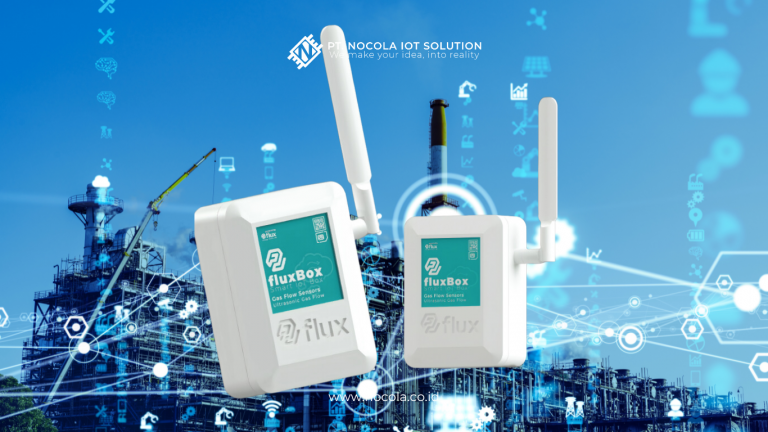
Fluxbox, developed by Nocola, is an IoT device designed to connect various sensors and devices into a centralized network. As a data management unit, Fluxbox captures, processes, and transmits information from connected devices to the central system. This enables real-time monitoring and control.
Key Features of Fluxbox
- Wide Connectivity: Fluxbox supports multiple communication protocols like Wi-Fi, Bluetooth, and Zigbee, allowing easy integration with IoT devices.
- Real-Time Data Management: It collects and processes data in real-time, providing immediate insights into system conditions.
- High Security: Data transmitted through Fluxbox is protected by advanced encryption, ensuring the security of sensitive information.
Benefits of Fluxbox in Industry
- Efficient Network Management: Fluxbox simplifies the integration of multiple devices into one network, enabling companies to manage their IoT systems more effectively.
- Improved Monitoring and Control: Real-time data from connected devices allows companies to monitor system performance and take immediate action if needed.
- Scalability: Fluxbox supports network expansion without additional equipment, making it ideal for companies looking to scale their IoT networks.
Fluxgateway: The Gateway to Wider IoT Connectivity

Read More: Facing the Industrial Future with Integrated IoT Solutions from Nocola
Nocola also offers Fluxgateway, which serves as the main link between IoT devices and the internet. It allows IoT devices to communicate with central servers or the cloud, ensuring that data can be accessed remotely.
Main Features of Fluxgateway
- Multi-Protocol Support: Fluxgateway supports various IoT protocols, such as MQTT, CoAP, and HTTP, enabling communication between different types of devices.
- Cloud Integration: It seamlessly integrates with leading cloud platforms like AWS IoT and Microsoft Azure, enabling remote monitoring and management.
- Reliability and Scalability: Fluxgateway is designed to handle large data traffic, making it a reliable solution for large-scale IoT applications.
Benefits of Fluxgateway for Businesses
- Global Connectivity: Fluxgateway connects IoT devices across any location, facilitating the management of global infrastructure.
- Remote Data Access: It allows for the remote monitoring and control of devices, essential for industries operating in multiple locations.
- Reduced Downtime: Real-time monitoring helps companies detect and resolve issues before they cause expensive downtime.
The Collaboration of Fluxbox and Fluxgateway: Connecting the World with IoT

When used together, Fluxbox and Fluxgateway create a seamlessly integrated IoT solution. Fluxbox serves as the on-field data collection unit, while Fluxgateway links devices to the cloud. This combination enables companies to monitor, control, and manage their IoT devices from a centralized platform.
Applications Across Various Sectors
- Manufacturing: In advanced factories, Fluxbox and Fluxgateway can monitor machines and production processes in real-time, identifying inefficiencies and reducing operational costs.
- Transportation and Logistics: The solution allows logistics companies to track their fleets in real-time, ensuring timely and efficient deliveries.
- Smart Agriculture: IoT enables farmers to monitor soil, weather, and crops, improving yields while reducing resource use.
Nocola’s Competitive Edge in IoT

Read More: Technological Innovation in Manufacturing: From IoT to AI
Nocola has established itself as a reliable and innovative IoT solution provider. Focusing on flexibility and ease of use, their products like Fluxbox and Fluxgateway offer numerous competitive advantages.
- Integration Flexibility: Nocola’s devices integrate easily with existing and new systems, allowing companies to expand their IoT networks without replacing current infrastructure.
- Ease of Use: Despite using advanced technology, Nocola ensures their products are user-friendly, with intuitive interfaces and comprehensive technical support.
- Scalability: Nocola’s products are designed to grow with the needs of businesses, making them suitable for small and large enterprises alike.
Conclusion
Nocola’s IoT solutions, with devices like Fluxbox and Fluxgateway, have brought significant innovation to the IoT landscape. With the ability to connect devices, process real-time data, and provide remote monitoring, Nocola helps businesses across various sectors enhance operational efficiency and reduce costs.

Nocola IoT Solutions for Smart Agriculture: Monitoring and Managing Resources with Latest Technology
Smart farming is a modern approach in the agricultural sector that leverages the latest technology to monitor and manage resources more efficiently. The Internet of Things (IoT) is one of the key technologies driving this revolution. By using IoT devices, farmers can collect real-time data from the fields, analyze the information, and make more informed decisions to improve crop yields.
Nocola IoT Solutions, a leading technology company in developing IoT solutions, has designed various devices and platforms specifically for the agricultural sector. This article will discuss how Nocola’s IoT solutions can help enhance efficiency and productivity in smart farming.
Why Does Agriculture Need IoT?

As global food demand rises, traditional farming faces significant challenges in land, water, and resource efficiency. IoT technology provides solutions to these challenges by offering reliable data on soil conditions, humidity, temperature, air quality, and more, enabling farmers to tailor their actions to actual conditions.
This technology also aids in more targeted water and fertilizer management. By monitoring plant conditions in real-time, farmers can determine when their crops need water or nutrients, reducing resource wastage and optimizing yields.
How Does IoT Work in Smart Farming?

An IoT system consists of various connected sensors placed in the field to monitor different variables. The data gathered from these sensors is sent to an analytics platform, where it is processed and turned into actionable information for farmers. Some examples of IoT applications in agriculture include:
- Soil Moisture Monitoring: Soil moisture sensors measure moisture levels at different depths, providing accurate information about irrigation needs.
- Air Quality Monitoring: IoT devices can monitor air quality, including pollution levels and humidity, which affect crop growth.
- Water Resource Management: By using data from sensors, farmers can optimize water usage, applying irrigation only when needed, saving water and energy.
Nocola IoT Solutions for Smart Farming

Nocola IoT Solutions provides a range of smart solutions for agriculture, designed to help farmers manage their fields more effectively and efficiently. Here are some of Nocola’s key products:
1. Nocola Sensor Hub
The Nocola Sensor Hub is a data collection center that connects various sensors deployed across agricultural fields. These sensors can detect parameters such as soil moisture, temperature, light, and humidity. The data collected can be analyzed in real-time, enabling farmers to respond quickly to environmental changes.
2. Nocola Cloud Platform
All the data collected from sensors in the agricultural field is sent to the Nocola Cloud platform, where it is processed and analyzed. This platform comes equipped with algorithms that provide action recommendations for farmers, such as the best time to water crops or add fertilizer. With cloud-based solutions, farmers can also monitor their fields remotely using mobile devices.
3. Nocola Irrigation Control
Managing irrigation efficiently is one of the biggest challenges in farming. Using Nocola Irrigation Control, farmers can remotely control their irrigation systems based on real-time data gathered from sensors. This system not only conserves water but also reduces energy costs and improves crop yields.
4. Livestock Monitoring
In addition to crops, Nocola also offers IoT solutions for livestock farming. By installing sensors on livestock, farmers can monitor the health and behavior of animals in real-time. This data helps detect signs of disease early, allowing farmers to act before the disease spreads.
Advantages of Nocola IoT Solutions in Agriculture

Nocola IoT Solutions provides numerous advantages for the agricultural sector, including:
1. Resource Efficiency
With Nocola’s IoT solutions, farmers can monitor water and fertilizer usage more efficiently. This not only reduces resource waste but also lowers operational costs.
2. Real-Time Monitoring
The ability to monitor field conditions in real-time gives farmers a competitive edge. They can respond immediately to environmental changes, such as drought or pest attacks, before these issues become major problems.
3. Data-Driven Decisions
Nocola’s IoT solutions provide highly accurate real-time data, enabling farmers to make better, data-based decisions. This helps improve yields while maintaining environmental sustainability.
4. Improved Food Security
By monitoring every aspect of the farming process, from soil to distribution, IoT helps improve food security. Farmers can ensure that their crops grow in optimal conditions, resulting in high-quality, safe products for consumption.
Conclusion
Nocola’s IoT solutions offer great opportunities for farmers to enhance efficiency and productivity through smarter resource monitoring and management. By utilizing the latest technologies like sensors, cloud computing, and automation, farmers can optimize their crop yields while reducing negative environmental impacts.
In the future, as demand for food rises and environmental challenges increase, the role of IoT in agriculture will become even more critical. By adopting Nocola IoT Solutions, farmers can ensure that their operations are both profitable and sustainable for the long term.

The Future of IoT in Public Infrastructure Management: Nocola Solutions for Monitoring and Automation
In the rapidly advancing digital era, the Internet of Things (IoT) has brought a significant revolution across various sectors, including public infrastructure management. IoT enables the integration of physical devices with digital technology to enhance efficiency, security, and resource management. This article will discuss how IoT impacts public infrastructure management and how Nocola’s solutions can facilitate more effective monitoring and automation.
1. Introduction to IoT in Public Infrastructure

Read More: The Importance of Nocola Solutions in Environmental Monitoring for Sustainable Industry
1.1 Definition and Basic Concepts of IoT
The Internet of Things (IoT) refers to a network of interconnected devices that can communicate with each other via the internet. These devices can be sensors, cameras, or other tools that collect and transmit data for analysis. In the context of public infrastructure, IoT enables more efficient monitoring and management through the integration of this technology.
1.2 The Role of IoT in Public Infrastructure Management
IoT plays a crucial role in public infrastructure management by providing real-time data that can be used to enhance operational efficiency, optimize resource use, and improve public services. Examples include air quality monitoring systems, traffic management, and wastewater monitoring systems.
2. Nocola Solutions for Monitoring and Automating Public Infrastructure

Read More: How Nocola’s Flux Brings IoT to Manufacturing: From Data Management to Device Connectivity
2.1 Overview of Nocola Solutions
Nocola offers a range of IoT-based solutions designed to optimize public infrastructure management. These solutions include air quality monitoring systems, emission monitoring systems, and automation platforms for energy and resource management. By leveraging cutting-edge technology, Nocola facilitates easier monitoring and automation, as well as improving efficiency and security.
2.2 Air Quality Monitoring System (WQMS)
Nocola’s Air Quality Monitoring System (WQMS) allows real-time air quality monitoring. This system is equipped with advanced sensors that measure various air quality parameters such as pollutant levels, particulates, and harmful gases. The collected data is used to generate accurate reports and support decision-making in environmental policies.
2.3 Continuous Emission Monitoring System (CEMS)
Nocola’s Continuous Emission Monitoring System (CEMS) is designed to monitor industrial emissions continuously. This system provides real-time data on gas and particulate emissions, helping companies comply with environmental regulations and reduce negative environmental impacts. CEMS also allows for early detection of issues and process adjustments for better efficiency.
2.4 Energy and Resource Automation Platform
Nocola also offers automation solutions for energy and resource management. This platform uses IoT to monitor real-time energy and resource usage, identify savings opportunities, and optimize usage. The system helps reduce operational costs and environmental impact by improving efficiency.
3. Benefits of IoT in Public Infrastructure Management

Read More: Nocola’s CEMS: Reducing Emissions with Continuous Emission Monitoring
3.1 Operational Efficiency
By using IoT, public infrastructure management becomes more efficient. The real-time data collected allows for quick and accurate decision-making. For example, traffic management systems can optimize vehicle flow based on current traffic data, reducing congestion and travel time.
3.2 Enhanced Security
IoT enhances the security of public infrastructure by providing constant monitoring. Air quality and emission monitoring systems help detect pollution and health issues early. Additionally, security sensors can identify and respond to potential threats or malfunctions in real-time.
3.3 Cost Savings
More efficient resource management through IoT can reduce operational costs. Automation platforms used for energy and resource management help identify areas for savings and optimize usage, thereby reducing costs and environmental impact.
3.4 Public Service Quality
With better monitoring and quicker responses to issues, public service quality can improve. For instance, air quality monitoring systems ensure that the public receives accurate information about air conditions, while traffic management systems help reduce congestion and improve mobility.
4. Challenges and Solutions in IoT Implementation

Read More: Embracing the Future of Industry with Integrated IoT Solutions from Nocola
4.1 Technological Challenges
Implementing IoT in public infrastructure often faces technological challenges, such as interoperability between different devices and data security. Nocola’s solutions are designed to address these challenges by using industry standards for compatibility and incorporating robust security measures to protect data.
4.2 Financial Considerations
Investment in IoT technology can be significant. However, the long-term benefits, such as cost savings and improved efficiency, often outweigh the initial costs. Nocola’s solutions offer scalable options that can be adapted to different budgets and needs, ensuring that public infrastructure projects can benefit from IoT technology without excessive expenditure.
4.3 Data Management and Privacy
Data management and privacy are critical concerns in IoT implementation. Nocola addresses these issues by employing advanced data encryption techniques and privacy policies that comply with international standards, ensuring that the data collected is protected and used responsibly.
Conclusion
The integration of IoT in public infrastructure management offers numerous benefits, including improved efficiency, security, and resource management. Nocola’s innovative solutions, such as WQMS, CEMS, and energy and resource automation platforms, play a crucial role in enhancing public infrastructure. Despite the challenges associated with IoT implementation, the advantages provided make it a valuable investment for modernizing and optimizing public services.
To explore more about Nocola’s solutions and how they can benefit your public infrastructure projects, visit our website or contact us for personalized consultations.

The Importance of Nocola Solutions in Environmental Monitoring for Sustainable Industries
In recent decades, awareness of the importance of environmental conservation has increased, especially in the industrial sector, which plays a significant role in generating emissions and waste. The main challenge faced by modern industries is how to operate efficiently without harming the environment. In this regard, technology serves as a solution, enabling companies to continue growing while maintaining environmental balance. One innovation that has a significant impact on environmental monitoring is the solution offered by Nocola IoT Solution. With a range of advanced technologies, Nocola supports industries in moving towards better sustainability through advanced environmental monitoring.
Why is Environmental Monitoring Important for Industry?

Environmental monitoring is a crucial process for controlling the impact of industries on nature. By performing regular monitoring, companies can ensure that their operations do not exceed emission limits or produce waste that could be harmful to ecosystems. Additionally, effective environmental monitoring helps in complying with government regulations and maintaining the company’s image as an entity responsible for the environment.
1. Ensuring Compliance with Regulations
Governments worldwide impose strict environmental regulations to reduce the impact of industries on nature. Advanced environmental monitoring helps companies ensure that they meet these standards, avoid penalties, and create cleaner operations.
2. Reducing Negative Impact on the Environment
Large industries, such as manufacturing, mining, and energy, have significant potential to pollute the environment. Environmental monitoring solutions allow companies to detect pollution early and take preventive measures.
3. Improving Energy Efficiency and Resource Use
With proper monitoring, companies can identify inefficiencies in energy and resource use. The data generated from this monitoring can be used to make more environmentally friendly and cost-effective changes.
Nocola’s Solutions for Environmental Monitoring

Read More: Nocola CEMS: Reducing Emissions with Continuous Emission Monitoring
Nocola IoT Solution offers a variety of tools and technologies specifically designed to help industries monitor their environment. From sensors that detect air quality to systems that monitor carbon emissions, Nocola provides a comprehensive solution that can be integrated with existing industrial operations.
1. WQMS (Water Quality Monitoring System)
Water is one of the most critical elements in the ecosystem, and poor water quality can cause significant damage to the environment and surrounding communities. Nocola’s WQMS is designed to monitor water quality in real-time, ensuring that the water used or discharged by industries meets permissible standards.
Using advanced sensors, WQMS can measure various parameters such as pH, temperature, dissolved oxygen levels, and water pollution levels. This system allows companies to detect changes in water quality early and take appropriate actions before further damage occurs.
2. CEMS (Continuous Emission Monitoring System)
Gas emissions are a major cause of climate change and environmental damage. With Nocola’s CEMS solution, industries can monitor their gas emissions continuously. This system is equipped with sensors capable of measuring various gases such as carbon dioxide (CO2), sulfur dioxide (SO2), nitrogen oxides (NOx), and other particulates.
Continuous emission monitoring allows companies to know in real-time when their emissions exceed permitted limits. Thus, they can promptly adjust to reduce environmental impact and ensure compliance with government regulations.
3. AQMS (Air Quality Monitoring System)
Poor air quality can negatively impact not only the environment but also human health. Nocola’s AQMS is designed to monitor air quality in and around industrial areas. This system can detect harmful air particles such as PM2.5, PM10, and other toxic gases.
With AQMS, companies can continuously monitor air quality and take preventive measures to keep the air safe for workers and nearby communities. This system also supports green initiatives by reducing air pollution generated by industrial operations.
Benefits of Nocola’s Solutions for Sustainable Industry

Read More: Indosat Ooredoo and Nocola IoT Solutions: Innovative Collaboration in WQMS Digitalization for Mangrove Conservation in Banda Aceh
By leveraging Nocola’s environmental monitoring solutions, companies can achieve several benefits that support their operational sustainability.
1. Environmental Data Transparency
Nocola’s solutions allow companies to have transparent and accessible environmental data at any time. With this data, companies can report their environmental performance to stakeholders, the government, and the public more accurately.
2. Data-Driven Decision Making
Real-time data collected from various sensors enables faster and more accurate decision-making. If there is potential pollution or regulatory violations, companies can act promptly to address these issues.
3. Optimizing Resource Use
With continuous monitoring, companies can identify inefficiencies in water, energy, and other resource use. This not only reduces environmental impact but also saves on operational costs.
4. Maintaining a Positive Corporate Image
By demonstrating commitment to environmental protection and sustainability, companies can maintain a positive image and enhance their reputation in the eyes of customers, investors, and the public.
Conclusion
Environmental monitoring is crucial for industries to operate sustainably and responsibly. Nocola IoT Solution offers comprehensive tools and technologies to help companies monitor water quality, air quality, and emissions effectively. By using these solutions, industries can not only comply with regulations but also contribute to a healthier environment and improve their operational efficiency.
Embracing Nocola’s innovative solutions for environmental monitoring is a step towards achieving a balance between industrial growth and environmental sustainability. The integration of these technologies ensures that industries can continue to develop while preserving the planet for future generations.

How Nocola’s Flux Brings IoT to the Manufacturing Industry: From Data Management to Device Connectivity
The manufacturing industry is one of the sectors that has gained the most benefits from advancements in Internet of Things (IoT) technology. With advanced connectivity and the ability to monitor and control various devices in real-time, IoT plays a crucial role in the fourth industrial revolution. One of the leading IoT solutions that plays a key role in this transformation is Flux by Nocola. Flux brings significant advancements in data management, device monitoring, and integrated connectivity. In this article, we will discuss how Flux helps the manufacturing industry adopt IoT more effectively.
What is Flux by Nocola?

Read More: Nocola Flux: IoT Solutions for a More Connected and Efficient Smart City
Flux is an IoT platform developed by Nocola IoT Solution, offering a comprehensive solution for connecting, managing, and monitoring various devices in the manufacturing industry. This platform is designed to simplify the integration of IoT devices into existing manufacturing systems, ensuring better operational monitoring and control.
Key Features of Flux:
- Real-Time Data Management: Data from various IoT devices is automatically collected and processed in real-time. This enables monitoring of production conditions, energy efficiency, and machine performance.
- Multi-Platform Connectivity: Flux can connect to various devices, sensors, and machines, facilitating integration between existing devices and new ones.
- Control and Automation: With Flux, manufacturing companies can automate repetitive processes and make operational adjustments automatically based on received data.
- Integrated Security: Flux offers robust security layers, ensuring that sensitive industrial data is protected from cyber threats.
The Importance of IoT in the Manufacturing Industry

Read More: IoT Solutions from Nocola for Automotive Manufacturing and Transportation
IoT has revolutionized the manufacturing industry by enabling companies to improve efficiency, reduce downtime, and enhance workplace safety. IoT devices connected to a network allow accurate data collection from various points in the production chain. This helps in quicker problem identification, resource optimization, and increased production output.
Benefits of IoT Implementation:

- Operational Efficiency: With real-time data generated by IoT, companies can optimize every step in the production process. Any errors or potential issues can be detected early, minimizing production downtime.
- Better Energy Management: In many cases, IoT is used to monitor energy consumption in the manufacturing process. With the data obtained, companies can make smarter decisions to reduce energy consumption and operational costs.
- Safety and Proactive Maintenance: IoT also helps improve workplace safety by monitoring machine conditions and identifying signs of wear. This allows companies to perform preventive maintenance before major damage occurs.
How Does Flux Improve Data Management in the Manufacturing Industry?

One of the biggest advantages of Flux is its ability to manage data on a large scale. Data from various devices in the manufacturing industry is often dispersed and difficult to analyze simultaneously. Flux simplifies this process by providing a centralized platform for data collection, storage, and analysis.
Cloud-Based Data Management
Flux uses cloud technology to store data generated by IoT devices. This allows data to be accessed from anywhere, at any time, by authorized personnel. The use of cloud technology also ensures that data remains secure, organized, and ready for analysis. This way, decision-making can be done more quickly and accurately.
Enhanced Data Analytics
One of Flux’s key features is its ability to conduct in-depth data analysis. The collected data can be analyzed in real-time to detect trends, anomalies, or potential issues. With enhanced analytics, manufacturing industries can improve efficiency, plan better maintenance, and identify optimization opportunities.
Better Device Connectivity

Read More: Embracing the Future of Industry with Nocola’s Integrated IoT Solutions
Flux supports multi-platform connectivity, which is essential in modern manufacturing. With various machines, devices, and sensors from different manufacturers, integration and connectivity have been a significant challenge for many industries. Flux solves this by providing seamless device connectivity, enabling real-time data exchange between different systems.
Conclusion: IoT in Manufacturing with Flux
With the growth of IoT in the manufacturing industry, the need for integrated platforms like Flux has become more important than ever. Flux by Nocola offers comprehensive IoT solutions, enabling manufacturers to improve efficiency, reduce downtime, enhance safety, and optimize resource management. By adopting IoT solutions such as Flux, manufacturers can stay competitive in a rapidly evolving industrial landscape, ensuring long-term success and sustainability.

Fatigue Monitoring System for Heavy Equipment Vehicles: Innovative Collaboration with PT Nocola IoT Solution
Occupational health and safety is a top priority in industries that involve the use of heavy equipment, such as construction, mining, and logistics. One of the biggest challenges is managing fatigue risks that can lower worker performance, especially heavy equipment operators. To address this issue, PT Nocola IoT Solution have collaborated to develop a Fatigue Monitoring System (FMS) specifically designed for heavy equipment vehicles.
This collaboration aims to improve work safety by monitoring drivers’ conditions in real-time. By utilizing Internet of Things (IoT) technology, FMS provides an advanced solution for detecting signs of fatigue and potential accident risks. This article will delve deeper into the functions, features, and benefits of this Fatigue Monitoring System, as well as its impact on industries that use heavy equipment.
The Importance of Fatigue Monitoring in Heavy Equipment Industries

The heavy equipment industry often involves intensive physical labor and requires high levels of concentration from operators. Challenging working environments, such as extreme temperatures, long working hours, and pressure to meet production targets, can increase the risk of worker fatigue. This fatigue not only affects performance but also increases the risk of accidents, which can be fatal.
- Impact of Fatigue on Operators
Fatigue can lead to slower response times, poor decision-making, and loss of concentration. In the context of heavy equipment operation, this is extremely dangerous as even small errors can lead to major accidents, causing harm to both worker safety and material losses. - The Role of Technology in Combating Fatigue
Technology has become an essential solution for improving workplace safety. With the Fatigue Monitoring System, heavy equipment operators can be continuously monitored for early signs of fatigue. The system automatically identifies behavioral changes that indicate fatigue, such as blinking frequency, eye movement, or unstable head positions.
What is the Fatigue Monitoring System (FMS)?

Fatigue Monitoring System is an IoT-based technology that monitors the physical and mental conditions of drivers to detect signs of fatigue. This system uses various sensors and intelligent algorithms to analyze driver behavior in real-time. If signs of fatigue are detected, the FMS provides immediate warnings to both the driver and management so that preventive measures can be taken quickly.
Main Features of the Fatigue Monitoring System:
- Real-time Detection
The FMS monitors heavy equipment drivers’ behavior in real-time using surveillance cameras installed in the vehicle cabin. These cameras analyze facial movement patterns, such as blinking frequency and head position, to detect fatigue. - Instant Alerts
When signs of fatigue are detected, the FMS automatically sends alerts via sound alarms or vibrations in the driver’s seat, encouraging the driver to rest or take necessary actions. - Integration with Vehicle Management
The system can be integrated with vehicle management, allowing managers to receive reports on the driver’s condition directly. This helps managers take preventive measures before accidents occur. - Reporting and Analysis
FMS provides comprehensive reports on the operator’s condition during working hours, including periods when fatigue was detected and rest times taken. This data helps management make data-driven decisions regarding work schedules and worker rotation.
How the Fatigue Monitoring System Works

Read More: Collaboration Between HYDAC Indonesia and PT Nocola IoT Solution
The Fatigue Monitoring System works through several stages to ensure optimal driver safety. Here’s how this technology works in detail:
- Eye and Head Monitoring
Special cameras are installed in the heavy equipment cabin to monitor the driver’s eye and head movements. Intelligent algorithms then analyze blinking frequency and changes in head position, which may indicate fatigue. - Detection of Behavioral Pattern Changes
If changes in behavior patterns indicating decreased alertness, such as frequent head drops or slow blinking, occur, the system will trigger a warning signal. - Automatic Alarms
The system automatically activates alarms if fatigue is detected. The alert may come in the form of sound, indicator lights, or seat vibrations, prompting the driver to rest or take preventive actions. - Data Transmission to Control Center
Monitoring data is sent to the control center or management system. Managers can view the condition of each driver in real-time and take steps to schedule safer working hours.
Benefits of the Fatigue Monitoring System

Read More: Kolaborasi Riset IPB dan PT Nocola IoT Solution: Pengembangan Solusi Smart Classroom
- Improved Work Safety
By detecting fatigue early, FMS significantly reduces the risk of accidents caused by decreased driver alertness. - Increased Productivity
By managing worker fatigue effectively, companies can maintain productivity levels and minimize downtime due to worker errors or accidents. - Compliance with Occupational Health and Safety Standards
FMS helps companies comply with occupational safety standards and regulations, making it easier to pass audits and inspections. - Data-Driven Decision Making
FMS provides detailed data on operator conditions and work hours, enabling management to optimize work schedules and improve efficiency.
The Role of PT Samudera Mulia Abadi and PT Nocola IoT Solution in Fatigue Monitoring System Development
The collaboration between PT Samudera Mulia Abadi and PT Nocola IoT Solution in developing the Fatigue Monitoring System marks a significant step forward in improving workplace safety in the heavy equipment industry. PT Samudera Mulia Abadi, as a company that focuses on industrial equipment services, understands the challenges faced by heavy equipment operators. On the other hand, PT Nocola IoT Solution provides innovative technological solutions, utilizing IoT to meet the unique needs of heavy equipment industries.
This partnership is an example of how technology can be used to solve critical issues in industry. By combining their expertise, these two companies have succeeded in creating a system that not only increases work safety but also helps companies comply with occupational safety standards.
Conclusion
The Fatigue Monitoring System developed by PT Samudera Mulia Abadi and PT Nocola IoT Solution offers a smart solution for improving work safety in the heavy equipment industry. By detecting signs of fatigue early, this system helps reduce accident risks, increase productivity, and ensure compliance with occupational safety standards. Through this advanced IoT technology, industries can optimize their operations while prioritizing worker safety.