Machine Learning vs. Deep Learning: Memahami Perbedaannya dan Kapan Menggunakannya
The advancements in technology and artificial intelligence (AI) have driven innovation in various fields, including how we process and analyze data. Two main branches of AI that often draw significant attention are machine learning (ML) and deep learning (DL). Although they are often thought of as similar, there are actually substantial differences in methods, applications, and capabilities. This article will cover what machine learning and deep learning are, their fundamental differences, and when it is appropriate to use each technology.
What is Machine Learning?

Read More: Fluxcloud Nocola: IoT Data Storage and Management Solution in the Cloud for Business
Machine learning is an approach in artificial intelligence that allows computers to learn from data without needing explicit programming. In ML, models or algorithms learn from historical data to predict outcomes or make decisions based on patterns found in that data. For instance, a machine learning algorithm can be trained to recognize faces, predict stock prices, or detect credit card fraud by identifying suspicious behavioral patterns.
Types of Machine Learning

Read More: Seamless Connectivity with Fluxconnect Nocola for IoT Based Monitoring Systems
Machine learning includes several main types, used based on the data and problems at hand:
- Supervised Learning: In this approach, algorithms are trained using labeled data, where the expected outcome is already known. For example, in classifying emails as spam or not, algorithms use labeled data to make predictions.
- Unsupervised Learning: Here, the data used has no labels. The algorithm must find patterns or structure within the data itself. A common example is clustering, such as grouping customers based on purchasing behavior.
- Reinforcement Learning: This method uses a reward-punishment system to train the model through actions and their consequences. It’s often used in robotics or video games, where the model learns optimal actions through repeated interactions with the environment.
What is Deep Learning?

Read More: Flux Agriculture: Increasing Agricultural Productivity with IoT Technology
Deep learning, on the other hand, is a subset of machine learning that uses artificial neural networks with more complex and deeper layers to analyze data. DL is inspired by how the human brain functions and processes information, using interconnected layers of networks to learn from large and complex datasets. Neural networks in DL are often referred to as deep neural networks, capable of processing richer data such as images, video, or text.
In DL, each layer of the neural network processes data in a more abstract way. For example, in an image, the first layer might recognize simple lines, the next layer identifies shapes, and the following layer recognizes the whole object.
Key Differences Between Machine Learning and Deep Learning

Read Also: IoT in Transportation: Improving Efficiency and Safety
- Data Requirement: One fundamental difference between ML and DL is the need for data. Deep learning requires a much larger amount of data to achieve accurate results, whereas traditional machine learning can work effectively with a relatively smaller amount of data.
- Algorithm Structure: ML uses algorithms such as linear regression, decision trees, or support vector machines that are generally simpler and more direct. In contrast, DL utilizes highly complex neural networks and requires greater processing power.
- Computational Power: DL’s neural networks require more computational power, including the use of graphics processing units (GPUs) to handle large amounts of data. ML, on the other hand, can operate effectively on regular computers without needing a GPU.
- Training Time: Due to the complexity of neural networks in DL, training time tends to be longer compared to ML. However, once trained, DL models can provide highly accurate results.
- Capability in Solving Complex Problems: DL excels at solving problems that require the analysis of unstructured data, such as image or voice recognition. In contrast, ML is more suited for structured data and simpler problems.
Examples of Machine Learning Applications

Read More: Integrating AI and IoT with Flux from Nocola: The Future of Automated Manufacturing
- Fraud Detection: Using supervised learning techniques, ML systems can recognize suspicious transaction patterns and alert users.
- Recommendation Systems: Platforms like Netflix or Amazon use ML algorithms to recommend products based on user behavior and preferences.
- Predictive Maintenance: ML helps predict when equipment might fail, which helps in planning timely repairs and reducing downtime.
Examples of Deep Learning Applications

Deep learning’s power is highly beneficial in fields such as:
- Natural Language Processing (NLP): DL powers advanced applications such as language translation, sentiment analysis, and chatbots.
- Image and Video Processing: DL algorithms are used in facial recognition, medical image analysis, and autonomous vehicle vision systems.
- Speech Recognition: Voice-activated assistants like Siri and Alexa are powered by DL, which can understand and process spoken language.
Conclusion
Machine learning and deep learning have both driven innovation across numerous industries, offering unique advantages in data analysis and decision-making. Understanding the key differences between the two can help businesses and researchers make informed decisions about which approach to adopt based on their data, goals, and computational resources. Whether you choose ML or DL, both technologies open doors to powerful insights and intelligent solutions, enhancing productivity and innovation in today’s digital era.

Digital Payment Technology: From QR Codes to Biometrics
In the advancing digital era, digital payment technology has grown rapidly, making transactions faster, easier, and safer. With a variety of options available, from QR codes to biometrics, consumers can choose the payment method that best suits their needs and preferences. This article will discuss how digital payment technology has evolved, the types of technologies available, and their benefits in daily life.
Digital Payment Technology

Read More:Smart Home Technology: Smart Solutions for the Home of the Future
Digital payment is a payment system that allows consumers to make transactions through electronic devices without using cash. In recent years, demand for more practical and secure payment methods has increased, especially driven by the pandemic, which limited physical interactions. Nowadays, people can make payments through smartphones, smartwatches, and other devices equipped with digital payment features.
The Evolution of Digital Payments Over Time

Read More: Flux Agriculture: Increasing Agricultural Productivity with IoT Technology
The journey of digital payments began with credit and debit cards introduced in the mid-20th century. In the 2000s, online payments emerged through services like PayPal. In the following decade, technology shifted to mobile devices with the advent of Apple Pay, Google Wallet, and others. Today, digital payment technology includes more sophisticated methods like QR codes and biometrics, providing greater convenience and security.
Types of Digital Payment Technologies

Read More: The Future of AI Technology: How Artificial Intelligence Will Impact Jobs and Business
a. QR Code
QR code (Quick Response Code) is one of the most popular digital payment methods. Consumers only need to scan the QR code available at the merchant using their phone’s camera. With this technology, transactions can be conducted quickly and without physical contact. In Indonesia, QRIS (QR Code Indonesian Standard) has been adopted to unify various payment services, making it easier for consumers and merchants to use.
b. Near Field Communication (NFC)
NFC technology allows devices to communicate in close proximity, typically used for payments via cards or devices like smartphones. Users simply bring the device close to the payment terminal, and the transaction is processed automatically. This method is popular for its speed and convenience and is already integrated with various digital wallets like Apple Pay and Google Pay.
c. Mobile Wallet
Digital or mobile wallets, like GoPay, OVO, DANA, and others, allow consumers to store money in a digital form that can be used for payments at various merchants. Users can top up their balance via bank transfer or nearby agents and use it for various transactions, including bill payments and online shopping.
d. Biometric Payment
Biometric payment is a new payment method that uses the user’s biometric data, such as fingerprint, facial recognition, or retina, as a verification tool. With high security, biometric payment offers a password-free and card-free solution, minimizing the risk of data theft and unauthorized access.
e. Cryptocurrency
Although not yet common, some platforms have started accepting cryptocurrency as a payment method. Based on blockchain technology, cryptocurrency offers high security and transparency. However, volatility and unestablished regulations limit its usage to certain circles.
Benefits of Using Digital Payments

The use of digital payments offers many benefits for both consumers and merchants. Some of the main benefits include:
- Convenience and Speed: Transactions only take a few seconds, reducing queues and waiting time.
- Security: With advanced encryption and authentication technology, digital payments offer better security than cash.
- Transparency and Accuracy: Transactions can be recorded digitally, reducing recording errors and providing a complete record for consumers and merchants.
- Minimize Physical Contact: In a pandemic, digital payments are a safe solution that minimizes direct contact.
- Reduced Dependence on Cash: With digital payments, people no longer need to carry cash, reducing the risk of loss or theft.
The Future of Digital Payments: What to Expect?

Read More: How Nocola Helps the Energy Industry Monitor Carbon Emissions with CEMS Technology
The digital payment landscape is expected to continue evolving with technology advances. In the future, payments will be more integrated with Artificial Intelligence (AI), the Internet of Things (IoT), and blockchain, providing greater speed, security, and customization. With the digital economy growing, companies and consumers must stay up-to-date to gain the benefits offered by digital payment technology.
Overall, digital payment technology is an important part of modern life. With various options available, people can choose a payment method that suits their lifestyle. In the future, with more technological innovations, digital payments will likely become increasingly sophisticated and provide even better service to meet society’s needs.
Conclusion
Digital payment technology, from QR codes to biometrics, has revolutionized the way we conduct transactions. With the convenience, speed, and security it offers, digital payments are becoming an increasingly popular choice among modern society. The future of digital payments looks promising, with ongoing innovations providing more practical and secure solutions for consumers worldwide.

Teknologi Green Energy: Masa Depan Energi Ramah Lingkungan
As global awareness of environmental crises and climate change increases, the demand for technologies that support environmentally friendly energy sources has become increasingly urgent. One of the solutions that has emerged as a response is green energy technology. This technology is designed to generate energy without causing pollution or negative impacts on the environment. This article will delve deeper into green energy technology, its various sources, benefits for the environment, challenges faced, and its future prospects.
What is Green Energy Technology?

Read More: Fluxcloud Nocola: IoT Data Storage and Management Solution in the Cloud for Business
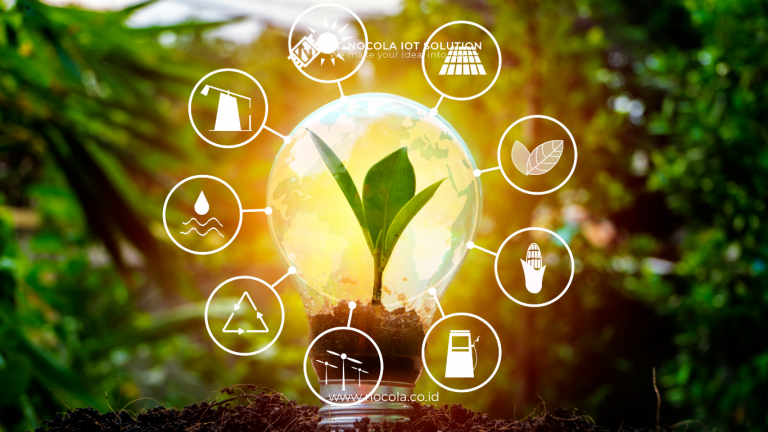
Green energy technology relies on renewable energy sources that are environmentally friendly and sustainable, such as sunlight, wind, water, biomass, and geothermal heat. Green energy is different from fossil fuels, which are limited and cause pollution. This technology aims to minimize negative impacts on the environment, especially carbon emissions, which are one of the main causes of global warming.
Types of Green Energy Sources
There are various types of green energy sources that are increasingly being developed worldwide. Here are some of the main sources often used in green energy technology:
- Solar Energy
- Solar energy is one of the most popular renewable energy sources. Technologies like solar panels (photovoltaic) and solar concentrators can convert sunlight into electricity. This energy produces no pollution and can be relied upon in many areas, especially those with high sunlight intensity.
- Wind Energy
- Wind turbines convert the kinetic energy from the wind into electricity. Wind energy is highly efficient and can produce large amounts of electricity, particularly in areas with high wind speeds. Wind turbines can be installed onshore or offshore, depending on geographical conditions.
- Hydro Energy
- Hydro energy, or hydroelectric power, is a technology that utilizes water flow to drive turbines and generate electricity. In addition to large dams, micro-hydro technology is also developing and can be utilized in small rivers.
- Biomass Energy
- Biomass comes from organic materials such as plant waste, wood, and animal residues. Biomass technology converts these organic materials into energy through combustion or fermentation. Besides generating energy, biomass also helps reduce waste.
- Geothermal Energy
- Geothermal energy comes from the natural heat within the Earth. In areas with high volcanic activity, geothermal technology can be used to generate electricity and provide heating. Geothermal energy is a consistent source that does not depend on weather conditions.
Benefits of Green Energy Technology for the Environment

Read More: Data Security in IoT Systems: How Nocola Guarantees the Privacy and Security of Customer Data
The application of green energy technology has significant benefits for both the environment and society at large. Here are some main benefits of green energy technology:
- Reducing Carbon Emissions
- The use of green energy helps to reduce greenhouse gas emissions, particularly CO₂, which is a major cause of climate change. Energy sources such as sunlight, wind, and water produce no air pollution, making them more environmentally friendly compared to fossil fuels.
- Improving Air Quality
- In addition to reducing carbon emissions, green energy also decreases air pollution that can harm human health. With reduced air pollution, the risk of respiratory diseases such as asthma and bronchitis can also be minimized.
- Reducing Dependency on Fossil Fuels
- Green energy technology helps to decrease reliance on dwindling fossil fuel sources. By utilizing renewable energy sources, we can secure energy supplies for the long term and avoid fluctuations in fossil fuel prices.
- Supporting Green Economic Growth
- Investment in green energy technology creates new job opportunities in the renewable energy sector, from solar panel installation, wind turbine maintenance, to research and development of other environmentally friendly technologies. The green economy also encourages innovations in more sustainable technologies.
- Increasing Energy Resilience
- Renewable energy is local and distributed, reducing the risk of dependency on energy supplies from other countries. By utilizing energy sourced from nature, countries can enhance energy resilience and mitigate energy crisis risks.
Challenges in the Development of Green Energy Technology

Read More: Fluxcloud Nocola: IoT Data Storage and Management Solution in the Cloud for Business
Despite its many benefits, the development of green energy technology also faces various challenges. Here are some of the main obstacles encountered in the implementation of green energy:
- High Investment Costs
One of the biggest challenges in green energy technology is the relatively high initial costs. Although operational costs are low, technologies such as solar panels and wind turbines require a significant upfront investment for purchase and installation.
- Dependence on Natural Conditions
Some green energy technologies rely on weather conditions. For example, solar panels cannot generate electricity at night, and wind energy can only be produced when there is wind. Therefore, integration with energy storage systems such as batteries is necessary to ensure a stable energy supply.
- Ecological Impact
Although more environmentally friendly, the construction of green energy infrastructure, such as dams for hydroelectric power or offshore wind turbines, can impact local ecosystems. Therefore, comprehensive environmental impact assessments are needed before implementation.
- Energy Storage Issues
Energy storage technologies, such as batteries, are still under development and often expensive. Energy storage is crucial for maintaining the stability of energy supply, especially for solar and wind energy that depend on weather conditions.
- Regulations and Policies
Government policies significantly influence the development of green energy. In some countries, regulations and incentives for renewable energy are not strong enough, causing slow investment in this sector. Clear and sustainable regulatory support is needed.
The Future of Green Energy Technology

Read More: Using Nocola’s Flux in IoT Device Management
With the advancement of technology and increased awareness of environmental importance, the prospects for green energy technology in the future are very promising. Some developments to expect include:
- Innovation in Energy Storage Technology
Energy storage technology is expected to advance significantly in the coming years. Batteries with larger capacities and better efficiency will allow green energy to be used more widely, especially in remote areas.
- Increased Efficiency and Decreased Costs
Technologies such as solar panels and wind turbines continue to see improvements in efficiency and decreases in costs. With intensive research and development, the costs of green energy will become increasingly competitive with fossil fuels.
- Global Collaboration to Support Green Energy Development
Many countries are beginning to collaborate to create renewable energy solutions. International forums such as COP and the Paris Agreement play a role in promoting cross-country collaboration to accelerate the adoption of green energy worldwide.
- Integration with Smart Grids
In the future, green energy technologies will be more integrated with smart grids. Smart grid systems allow for more efficient monitoring and distribution of energy, enabling optimal use of green energy while maintaining stable electricity supply.
- Education and Public Awareness
Increased education and public awareness about the importance of green energy are expected to encourage more people to switch to more environmentally friendly energy sources. Campaigns and educational programs regarding the benefits of green energy need to be continuously promoted.
Conclusion
Green energy technology is one of the most promising solutions to address the environmental crisis facing the world today. By utilizing renewable energy sources such as solar, wind, water, biomass, and geothermal energy, this technology offers an environmentally friendly and sustainable solution. In addition to helping reduce carbon emissions and air pollution, green energy also supports energy resilience, creates job opportunities, and fosters green economic growth.
Nevertheless, the development of green energy still faces various challenges, such as high investment costs, dependence on natural conditions, and uneven regulations. However, with technological advancements, supportive government policies, and global collaboration, the future of green energy looks increasingly bright.

Smart Home Technology: Smart Solutions for the Home of the Future
Smart home technology has become an increasingly popular trend in recent years. Various automated devices and systems allow homeowners to control many aspects of their daily lives remotely. From smart lighting to advanced security systems, smart home technology offers intelligent solutions that enhance comfort, security, and energy efficiency. This article will discuss the benefits of smart home technology, various types of smart devices available, and the future of smart home technology.
What is Smart Home Technology?

Read More: Smart Home Technology: The Future of Smart Homes
Smart home technology refers to a collection of devices and systems that connect to the internet or a local network, allowing homeowners to control and monitor various aspects of their homes automatically or through a smartphone app. These devices cover various categories, such as lighting, security, temperature control, and more. Smart homes offer convenience and flexibility that is hard to find with traditional systems, as well as the ability to automate routine tasks at home.
Key Features of Smart Home Technology
Some of the main features commonly found in smart home technology include:
- Remote Control: Control devices from anywhere using an app on your phone.
- Automation: Set devices to operate automatically based on time or specific conditions.
- Energy Efficiency: Reduce energy consumption with power-saving devices.
- Enhanced Security: Protect your home with monitoring and detection systems.
The Benefits of Smart Home Technology for Future Homes

Read More: Nocola Flux: IoT Solutions for a More Connected and Efficient Smart City
Smart home technology is not just about convenience but also offers various other benefits that significantly impact everyday life.
1. Ease and Convenience
One of the greatest benefits of smart home technology is the convenience it provides. With smart home devices, you can control lights, air conditioning, and even kitchen appliances with just a touch. This convenience also allows for a more personalized experience, such as setting a cozy lighting ambiance for a relaxing evening or cooling the room before you arrive home.
2. Enhanced Security
Security is one of the main focuses of smart home technology. Smart security systems, like surveillance cameras, alarms, and video doorbells, can be accessed in real-time through a smartphone. Some systems even allow instant notifications if suspicious activity is detected around the house.
3. Energy Efficiency
Energy usage is a critical aspect of smart homes. Smart home technology allows homeowners to significantly save energy. For instance, smart thermostats can automatically adjust the temperature as needed, reducing electricity consumption when it’s not required. Smart lights can also be set to turn off automatically when no one is in the room.
4. Flexibility and Customization
Smart home devices offer flexibility for homeowners to customize each device’s function according to their needs. From adjusting lighting, sound settings, to room temperature control, everything can be tailored to fit your lifestyle.
Types of Smart Home Devices and Their Functions

Read More: Fluxcloud Nocola: IoT Data Storage and Management Solution in the Cloud for Business
Today, various smart home devices are available on the market, each with its function to facilitate daily life.
1. Smart Lighting
Smart lighting systems allow you to control lights remotely, adjust brightness levels, and even change the color according to your mood. With motion sensors, smart lights can also turn on automatically when someone enters a room.
2. Smart Thermostats
Smart thermostats are devices that can help regulate room temperature automatically. These devices can learn your habits and adjust the temperature automatically, keeping your home comfortable without wasting energy.
3. Smart Security Systems
Smart security systems include surveillance cameras, alarms, motion sensors, and video doorbells. This technology provides homeowners with direct access to monitor home situations and send notifications in case of suspicious activities.
4. Virtual Assistants and Smart Speakers
Virtual assistants like Google Assistant and Amazon Alexa can control various home devices through voice commands. They can also provide weather updates, news, and even help organize your daily schedule.
5. Smart Appliances
Smart appliances, such as smart refrigerators, smart ovens, and smart washing machines, offer various automation features that simplify household chores. Some can even be controlled remotely, allowing you to prepare meals or do laundry from your phone.
How to Get Started with Smart Home Technology

Read More: Seamless Connectivity with Fluxconnect Nocola for IoT Based Monitoring Systems
Getting started with smart home technology is relatively easy. Begin by determining which aspects of your home you want to make smarter, such as security or lighting. Then, research various smart device options that meet your needs and are compatible with each other. For those starting out, investing in a few essential devices can make a noticeable difference in daily convenience and home comfort.
The Future of Smart Home Technology
As technology continues to advance, smart home devices are becoming more affordable and accessible. In the future, we can expect smarter, more interconnected devices with enhanced automation and energy-saving capabilities. Additionally, the role of artificial intelligence and machine learning in smart home technology will continue to grow, offering smarter, more efficient solutions that blend seamlessly into our daily lives.
Conclusion
Smart home technology offers a revolutionary way to manage household tasks, making it easier, more convenient, and more secure. With various devices and systems available today, homeowners can transform their homes into smart homes with ease. The future holds even more promise for smart home technology, with advancements in AI, machine learning, and IoT further enhancing the functionality and convenience of smart devices.
In conclusion, investing in smart home technology is a wise choice for those looking to improve their quality of life and stay ahead of future technological trends. Not only does it offer convenience and flexibility, but it also adds a layer of security and energy efficiency to your home, making it a valuable asset for years to come.

Fluxcloud Nocola: IoT Data Storage and Management Solution in the Cloud for Business
In the era of digital transformation, the Internet of Things (IoT) technology has rapidly evolved, becoming an essential part of various business sectors. IoT enables companies to collect real-time data from numerous devices, aiding in smarter and faster decision-making. However, a significant challenge for businesses is managing and securely storing large amounts of data from IoT devices. This is where Fluxcloud Nocola provides a superior solution for cloud-based IoT data storage and management, offering flexibility, security, and easy access to meet business needs.
What is Fluxcloud Nocola?

Read More: Seamless Connectivity with Fluxconnect Nocola for IoT Based Monitoring Systems
Fluxcloud Nocola is a cloud-based data storage and management platform designed specifically to support IoT applications and devices. The platform enables businesses to store, manage, and analyze data generated by their IoT devices efficiently. With advanced technology, Fluxcloud Nocola offers scalable services, meaning that data storage and processing capacities can be adjusted to fit business needs without requiring additional infrastructure.
Benefits of Fluxcloud Nocola for IoT Data Storage

Read More: Flux Agriculture: Increasing Agricultural Productivity with IoT Technology
- Flexibility and Scalability
Fluxcloud Nocola provides flexible storage space, allowing businesses to increase or decrease capacity as needed, which is essential for companies that experience data surges from IoT devices over short periods. - Guaranteed Data Security
Data security is a crucial aspect of IoT data management. Fluxcloud Nocola uses strong, layered encryption protocols and dual authentication to ensure data remains secure from cyber threats. - Real-Time Access
With real-time access to data stored on Fluxcloud Nocola, companies can monitor and make decisions based on up-to-date data, allowing direct operational condition monitoring and improving business efficiency. - Easy and Cost-Effective Maintenance
Managing IoT data storage infrastructure independently can be costly and resource-intensive. With Fluxcloud Nocola, all maintenance, updates, and data recovery costs are included in the cloud service, reducing a company’s operational expenses.
Key Features of Fluxcloud Nocola

Read More: Nocola Flux Water Level: An Efficient and Integrated Water Level Monitoring Solution
1. Automated Data Management
Fluxcloud Nocola is equipped with automated data management features, enabling businesses to efficiently categorize, sort, and analyze IoT data. This system also supports automatic data storage, ensuring important data remains securely stored.
2. Integration with Other Applications
This platform supports integration with various other applications and IoT devices, allowing businesses to connect Fluxcloud Nocola with existing systems without complex adaptation processes.
3. Data Monitoring and Reporting
Fluxcloud Nocola provides comprehensive monitoring and reporting features, offering easy-to-understand data visualizations. Businesses can observe trends and patterns from the collected data, aiding in analysis and strategic planning.
4. Automatic Data Recovery
Lost or damaged data can result in significant losses for a company. With automatic data recovery features, Fluxcloud Nocola ensures data remains available even in emergencies.
Advantages of Fluxcloud Nocola for Businesses

Read More: Building an IoT Ecosystem with Fluxcloud from Nocola: Managing IoT Data at Scale
1. Operational Efficiency
With cloud storage, companies no longer need to rely on hardware for data storage, saving space and costs. Fluxcloud Nocola helps reduce the workload of IT staff, allowing them to focus on other important tasks.
2. Faster Decision-Making
Real-time data access allows management to make quick and accurate decisions. With up-to-date information, companies can easily identify issues and strategize to improve efficiency.
3. Risk Reduction and Enhanced Security
IoT data often contains important information that needs protection. With Fluxcloud Nocola, businesses can minimize the risk of data loss or information theft, safeguarding their reputation and customer trust.
4. Scalability to Match Business Growth
Fluxcloud Nocola is designed to grow with your business , supporting seamless scalability to meet increasing IoT data storage demands, no matter the industry.
Conclusion
For companies looking to streamline their data management and maximize IoT data utility, Fluxcloud Nocola is a flexible and secure solution. Equipped with powerful features, it empowers businesses to manage data efficiently and supports data-driven decision-making. In an era where digital transformation is essential for growth, Fluxcloud Nocola provides the technology businesses need to stay ahead in the IoT sector.

Seamless Connectivity with Fluxconnect Nocola for IoT Based Monitoring Systems
IoT (Internet of Things) technology is rapidly advancing and has become essential for various industrial sectors to increase efficiency and accuracy in monitoring. One of the critical components of IoT systems is reliable connectivity, as the data generated must be accessible in real-time for analysis and decision-making. Nocola’s Fluxconnect offers an integrated connectivity solution that provides unlimited flexibility for IoT-based monitoring systems.
What is Nocola Fluxconnect?

Read More: Flux Agriculture: Increasing Agricultural Productivity with IoT Technology
Fluxconnect is part of the integrated IoT platform offered by Nocola, which allows IoT devices to communicate seamlessly through stable and fast connectivity. This solution is designed for various monitoring applications, including industrial, agricultural, urban, and other work environments. With Fluxconnect, monitoring devices can send and receive data without interruption, ensuring access to accurate and reliable data.
Benefits of Fluxconnect for IoT Monitoring Systems

Read More: Using Nocola’s Flux in IoT Device Management
Here are some of the key benefits offered by Nocola’s Fluxconnect for IoT monitoring systems:
1. Stable and Reliable Connectivity
Fluxconnect is designed with connectivity technology that ensures stable data communication between IoT devices and the central server. This is essential in monitoring applications where data delays can cause operational disruptions or even significant losses.
2. Real-Time Monitoring
In many IoT applications, such as environmental, industrial, or infrastructure monitoring, data must be available in real-time. Fluxconnect enables data to be sent directly to the monitoring center, providing up-to-date information for decision-makers to quickly address any detected changes or anomalies.
3. Easy Integration with Various Devices
One of Fluxconnect’s strengths is its ability to integrate with various IoT devices. The system supports multiple communication protocols and can be used with IoT devices from various brands or models, offering high flexibility in IoT infrastructure development.
4. Cost Efficiency in Operations
With Fluxconnect, operational costs typically incurred for connectivity maintenance and repair can be reduced. The system is designed to minimize maintenance needs and provide robust connectivity, reducing downtime significantly.
5. High Data Security
Unlimited connectivity is not just about smooth data flow, but also about security. Nocola’s Fluxconnect ensures that data transmitted through its network is protected with encryption and high-level security protocols, keeping sensitive information secure.
Key Features of Nocola Fluxconnect

Read More: Nocola Flux Water Level: An Efficient and Integrated Water Level Monitoring Solution
Fluxconnect is equipped with advanced features that simplify users’ IoT monitoring system management. Here are some of Fluxconnect’s main features:
A. Multi-Protocol Support
Fluxconnect supports multiple communication protocols commonly used in the IoT industry, such as MQTT, HTTP, and CoAP. This support facilitates integration with various devices and platforms, whether for environmental, industrial, or smart home monitoring applications.
B. Real-Time Data Syncing
Data sent through Fluxconnect can be synchronized in real-time with monitoring devices, dashboards, and other back-end systems. This feature ensures no data is lost or delayed, allowing for more accurate analysis and quicker decision-making.
C. Wide Connection Range
Fluxconnect is supported by a network technology that enables connectivity in wide areas, including remote locations. This provides flexibility for users to implement IoT even in areas with minimal network infrastructure.
D. Advanced Data Encryption
Data security is a priority in every IoT system. Fluxconnect utilizes the latest encryption technology to ensure that data transmitted through its network remains safe from unauthorized access or cyber-attacks.
E. Auto Reconnect Feature
The auto reconnect feature ensures that the connection remains stable even in temporary disruptions. If the connection drops, the system will automatically attempt to reconnect without manual intervention, keeping data flowing uninterruptedly.
Implementing Fluxconnect Across Various Industries

Read More: Building an IoT Ecosystem with Fluxcloud from Nocola: Managing IoT Data at Scale
Fluxconnect has broad applications across various industries that rely on IoT monitoring solutions:
Environmental Monitoring
In environmental monitoring, such as air or water quality measurement, Fluxconnect enables sensor data to be delivered in real-time, allowing early intervention in case of pollution detection or threshold limit breaches.
Industrial Manufacturing
In manufacturing, Fluxconnect ensures monitoring of critical processes, helping companies prevent operational disruptions through preventive maintenance and real-time monitoring.
Urban and Smart City Applications
In urban areas and smart cities, Fluxconnect can support systems such as traffic monitoring, smart lighting, and environmental monitoring. With Fluxconnect, cities can utilize real-time data to optimize their resources and improve services.
Why Choose Nocola Fluxconnect?

Read More: IoT in Transportation: Increasing Efficiency and Safety
Nocola Fluxconnect offers the desired flexibility, reliability, and security needed for IoT implementations. With a seamless connectivity system, various sectors can utilize this technology to achieve their business goals. From environmental monitoring to production optimization, Fluxconnect provides efficient and integrated solutions.
Conclusion
Nocola Fluxconnect is an innovative solution for IoT device connectivity, enabling real-time monitoring with extensive range and high reliability. With multi-protocol support, strong data encryption, and auto-reconnect technology, Fluxconnect offers numerous advantages for managing IoT device connections. Various industries have benefited from Fluxconnect, including manufacturing, environmental, and agriculture sectors. For companies or organizations looking to enhance monitoring efficiency and data-driven decision-making, Nocola Fluxconnect is the ideal choice for seamless connectivity.

Flux Agriculture: Increasing Agricultural Productivity with IoT Technology
In the ever-evolving digital era, the Internet of Things (IoT) technology is increasingly demonstrating its significant role across various sectors, including agriculture. Flux Agriculture, as one of the solutions presented by Nocola, is an innovation that can significantly enhance agricultural productivity. This article will discuss how Flux Agriculture uses IoT technology to modernize farming practices, improve crop yields, and address the challenges faced by farmers.
1. Introduction to IoT Technology in Agriculture

Read More: Nocola Flux Water Level: An Efficient and Integrated Water Level Monitoring Solution
Agriculture has undergone significant changes with the advancement of technology. The use of IoT in agriculture allows for real-time data collection from various sources, such as soil, weather, and plant conditions. By leveraging connected sensors and devices, farmers can gain better insights into their fields, enabling more precise and efficient decision-making.
1.1 What is Flux Agriculture?
Flux Agriculture is an IoT platform specifically designed to enhance efficiency and productivity in agriculture. Utilizing cutting-edge technology, Flux Agriculture integrates various components to monitor and manage agricultural conditions, from irrigation management to plant health monitoring.
1.2 Why is IoT Important for Agriculture?
The application of IoT in agriculture is crucial as it helps farmers to:
- Monitor Plant Conditions: With sensors installed in the fields, farmers can monitor plant health in real time.
- Optimize Resources: IoT allows for more efficient use of water, fertilizers, and pesticides, reducing costs and environmental impact.
- Increase Crop Yields: By obtaining accurate data, farmers can take appropriate actions to enhance crop yields.
2. Benefits of Flux Agriculture in Agriculture

Read More: Utilizing Nocola’s Fluxtrack in the Supply Chain: Increasing Logistics Transparency and Efficiency
Flux Agriculture offers various benefits that can enhance agricultural productivity. Here are some of them:
2.1 Real-Time Plant Monitoring
With Flux Agriculture, farmers can monitor plant health in real time. Sensors installed in the fields can collect data on soil moisture, temperature, and nutrient levels. This data can be accessed through an application, providing farmers with the insights needed to respond quickly to issues.
2.2 Efficient Irrigation Management
One of the biggest challenges in agriculture is water management. Flux Agriculture uses IoT technology to automate irrigation systems. Based on soil moisture data, the system can adjust the amount of water provided, reducing waste and ensuring plants receive the right amount of water.
2.3 Data Analysis for Decision Making
Flux Agriculture not only collects data but also analyzes it to help farmers make better decisions. By using predictive analytics, farmers can plan planting and harvesting based on weather forecasts and market conditions, increasing their chances of success.
2.4 Increased Sustainability
By optimizing resource use and minimizing environmental impact, Flux Agriculture contributes to more sustainable farming practices. Farmers can reduce the use of pesticides and excessive fertilizers, which are harmful to ecosystems.
3. Implementing Flux Agriculture

Read More: Nocola Flux Water Level: An Efficient and Integrated Water Level Monitoring Solution
Implementing Flux Agriculture in farming practices can be achieved through several steps:
3.1 Needs Assessment
Before adopting technology, it is essential for farmers to assess their needs. What challenges are they facing? Do they need a plant health monitoring system, irrigation management, or data analysis?
3.2 Installation of Sensors and Devices
After the assessment is conducted, the next step is to install sensors and IoT devices in the agricultural fields. This includes moisture, temperature, and nutrient sensors, as well as devices to regulate the irrigation system.
3.3 Training and Education
Farmers need to be trained to use this technology effectively. Education on how to interpret data and take appropriate actions is crucial for fully leveraging this technology.
3.4 Monitoring and Adjustment
After implementation, farmers need to continuously monitor the system’s performance and make adjustments as necessary. The collected data can provide insights into what works and what needs improvement.
4. Challenges in Implementing IoT Technology in Agriculture

While Flux Agriculture offers many benefits, there are several challenges that must be faced in implementing IoT technology in agriculture:
4.1 Initial Costs
The initial investment for IoT technology can be quite high, especially for small farmers. However, these costs can be offset by increased productivity and efficiency in the long run.
4.2 Dependence on Technology
Adopting new technology requires dependence on devices and internet connectivity. In remote areas, internet access can be a significant obstacle.
4.3 Technology Skills
Not all farmers possess the skills required to use new technology. Adequate training and education are vital to ensure successful implementation.
5. The Future of Flux Agriculture

Read More: Building an IoT Ecosystem with Fluxcloud from Nocola: Managing IoT Data at Scale
As the digital landscape continues to evolve, the integration of IoT technology in agriculture holds great promise for enhancing productivity, sustainability, and overall farm management. With solutions like Flux Agriculture, farmers can adapt to the changing agricultural environment and face challenges with innovative tools and insights.
5.1 Integration with Other Technologies
Flux Agriculture can integrate with other technologies such as drones for aerial monitoring or cloud-based agricultural management systems that provide broader insights into agricultural practices.
5.2 Global Deployment
With the increasing awareness of the importance of sustainable agriculture, Flux Agriculture has the opportunity to be implemented in various countries and types of farming, from small-scale to large-scale operations.
Conclusion
Flux Agriculture, as an IoT solution, offers farmers the opportunity to enhance productivity and efficiency in their agricultural practices. By leveraging technology for crop monitoring, irrigation management, and data analysis, Flux Agriculture is capable of addressing the challenges faced by modern farmers. Although there are some challenges in its implementation, the long-term benefits it offers make this technology highly valuable. Moving forward, Flux Agriculture has the potential to continue to grow and contribute to sustainable agriculture worldwide.

CEMS Nocola: Monitoring Industrial Emissions in Real-time
In the modern era, environmental issues have become a major concern, particularly the emissions produced by industries. Governments and organizations worldwide have implemented strict regulations on reducing carbon emissions. This is where emission monitoring technology, such as the Continuous Emission Monitoring System (CEMS), plays a vital role. CEMS helps companies monitor gas emissions in real-time to ensure compliance with applicable regulations. A leading solution in this field is CEMS Nocola, offering advanced technology to monitor industrial emissions in real-time and with high accuracy.
What is CEMS Nocola?

CEMS Nocola is a continuous emission monitoring system designed to monitor and measure gas emissions from various industrial processes, including power plants, oil refineries, chemical plants, and more. The system continuously collects emission data and provides real-time reports, helping industries maintain compliance with environmental regulations.
CEMS Nocola is equipped with various sensors and software capable of monitoring gases such as CO2, NOx, SO2, O2, and other particulates released from industrial processes. The data collected can be accessed by operators in an easily understandable format, enabling quick and effective emission monitoring and control.
Benefits of CEMS Nocola for Industries

Raed More: How Nocola Helps the Energy Industry Monitor Carbon Emissions with CEMS Technology
CEMS Nocola provides numerous key benefits for industries, especially in efforts to preserve the environment. Below are some of the main benefits of using CEMS Nocola:
1. Ensures Compliance with Regulations
Governments around the world continue to tighten emission standards to reduce air pollution. Using CEMS Nocola enables companies to comply with these regulations by monitoring gas emissions in real-time and ensuring they do not exceed the specified limits. It also facilitates the preparation of compliance reports required by environmental authorities.
2. Reduces Environmental Impact
With accurate and real-time emission data, industries can identify areas that need improvement in terms of emission reduction. This helps them reduce their negative impact on the environment and take proactive steps to lower greenhouse gas emissions and other pollutants.
3. Reduces Operational Costs
Manual emission monitoring often incurs high costs and takes a long time. With CEMS Nocola, all monitoring processes occur automatically, reducing operational and labor costs. Additionally, more efficient monitoring helps prevent fines associated with environmental regulation violations.
4. Increases Data Transparency
CEMS Nocola allows emission data to be easily accessed and analyzed. This provides transparency to stakeholders, including governments, investors, and the public. By having verifiable and easy-to-understand data, industries can demonstrate their commitment to sustainability and the environment.
5. Faster Problem Detection
The CEMS Nocola system can provide early warnings if emissions approach or exceed allowed thresholds. This allows operators to take corrective actions immediately and prevent larger environmental problems. Early problem detection also helps reduce the risk of operational shutdowns and large fines.
Technology Behind CEMS Nocola

Read More: CEMS Nocola: Reducing Emissions with Continuous Emission Monitoring
CEMS Nocola uses advanced sensors to accurately detect and measure gas emissions. Here are some of the key technologies used in this system:
1. High-Precision Gas Sensors
CEMS Nocola uses highly sensitive and precise gas sensors to detect various types of harmful gases released from industrial processes. These sensors can detect gases even at very low concentrations, producing highly accurate data.
2. Real-Time Monitoring
This system is equipped with technology that enables real-time emission monitoring. Data from various sensors is collected and transmitted directly to a monitoring center, allowing operators to take immediate action if abnormal emission levels occur.
3. Compatibility with Industrial Systems
CEMS Nocola is designed to integrate with existing industrial control systems. This allows emission monitoring to become part of broader industrial operations, such as production process control and energy management.
4. Cloud-Based Monitoring
One of the advantages of CEMS Nocola is its ability to leverage cloud technology. Emission data collected from sensors can be accessed online through a cloud-based platform, enabling remote monitoring and more in-depth data analysis. The use of the cloud also ensures that data is securely stored and accessible anytime
Implementation of Nocola CEMS in Industry

Read More: Benefits of Implementing a CEMS (Continuous Emission Monitoring System) System for Industry
The application of Nocola CEMS in industries is widespread, ranging from the energy sector to manufacturing. Below are some examples of implementations that can be applied across various industrial sectors:
- Power Plants
Nocola CEMS can be used in power plants that utilize fossil fuels like coal or natural gas. This system will monitor harmful gas emissions such as CO2 and NOx produced from combustion processes, ensuring that the power plant complies with stringent environmental regulations.
- Chemical Industry
In the chemical sector, production processes often generate harmful gas emissions. With Nocola CEMS, chemical companies can monitor these emissions in real-time and take quick actions to reduce pollution and minimize environmental impact.
- Oil Refineries
Oil refineries are one of the industries with high emissions. Nocola CEMS helps monitor emissions from the oil refining process and ensures that refineries operate in accordance with applicable emission standards.
- Manufacturing
In the manufacturing sector, particularly those related to metals and minerals, the use of fossil fuels can result in significant gas emissions. By using Nocola CEMS, manufacturers can monitor and control their emissions, ensuring that their operations do not harm the environment.
Challenges in the Implementation of Nocola CEMS

Although Nocola CEMS offers numerous benefits, there are several challenges that need to be addressed during its implementation. Some of these include:
- Initial Implementation Costs: Installing emission monitoring systems may require a substantial initial investment. However, the long-term benefits from reduced fines and regulatory compliance can outweigh these costs.
- Need for Expert Personnel: To maximize the use of Nocola CEMS, industries need to train their staff to properly operate and maintain the system.
- Connectivity in Remote Locations: Implementing cloud-based technology may face challenges in locations with inadequate network infrastructure.
Conclusion
Nocola CEMS is an innovative and effective solution for real-time industrial emission monitoring. With the capability to monitor harmful gas emissions, improve regulatory compliance, and assist companies in achieving their environmental targets, Nocola CEMS is a vital tool in modern industry. Although there are challenges in its implementation, with the right approach, Nocola CEMS can become an integral part of a company’s sustainability strategy, ensuring greener and more environmentally friendly industrial operations.hat CEMS Nocola has helped companies significantly reduce their carbon emissions while maintaining high operational efficiency.

Trash Vending Machine: Smart Solution for Urban Waste Management
Managing Urban Waste: The Innovation of Trash Vending Machines
In this modern era, waste management has become an increasingly complex challenge, especially in large cities. With a continuously growing population and a more consumerist lifestyle, the volume of waste generated has also increased significantly. One innovation that has begun to be introduced to address this problem is the Trash Vending Machine. This article will discuss the concept, benefits, and positive impacts of implementing Trash Vending Machines in urban waste management.

Trash Vending Machines are devices designed to facilitate waste disposal in a more efficient and organized manner. These machines not only serve as waste disposal sites but also provide rewards for users who dispose of waste correctly. This system integrates technology with waste management, offering a smart solution for cities facing waste management issues.
How Does a Trash Vending Machine Work?

Read More: Indosat Ooredoo and PT Nocola IoT Solution: Collaboration for Trash Vending in Semarang
1. Waste Acceptance
Users can dispose of their waste into this machine. The machine is equipped with sensors to identify the type of waste, whether organic, plastic, or other recyclable materials. With this technology, the machine can automatically separate waste.
2. User Rewards
As an incentive, users who dispose of waste correctly will receive rewards, such as points that can be exchanged for products or services. This not only encourages the community to participate in waste management but also raises awareness of the importance of sorting waste.
3. Monitoring and Management
Trash Vending Machines are equipped with monitoring systems that allow local authorities to track the volume of waste collected and the types of waste disposed. This data is invaluable for better waste planning and management.
Benefits of Trash Vending Machines

Read More: Benefits of Water Quality Monitoring System (WQMS) in Water Resources Management
1. Increasing Environmental Awareness
By providing rewards to users who dispose of waste correctly, Trash Vending Machines help raise public awareness about the importance of good waste management. This can encourage positive behavior in the long term.
2. Reducing Street Waste Volume
One of the main issues in urban areas is litter on the streets. With these machines, the community is more likely to dispose of waste properly, thus reducing the amount of litter.
3. Efficient Waste Management
With the ability to monitor the types and volumes of waste disposed, Trash Vending Machines provide valuable data for local authorities to plan more efficient waste management strategies.
4. Facilitating Recycling
These machines can be set up to accept various types of recyclable waste, encouraging the community to sort their waste correctly. This has the potential to increase recycling rates in urban areas.
Challenges in Implementation

Read More: Integrating AI and IoT with Flux from Nocola: The Future of Automated Manufacturing
1. Initial Costs
Although Trash Vending Machines offer many benefits, the initial costs for acquiring and installing these machines can be a barrier for many cities. It is important to seek appropriate funding solutions to ensure the success of this project.
2. Community Engagement
The success of Trash Vending Machines largely depends on community participation. Without active involvement, the goals of waste reduction and increased recycling will not be achieved. Education and awareness campaigns are crucial to encourage this participation.
3. Maintenance and Care
Like any other device, Trash Vending Machines require routine maintenance. Limitations in resources for maintenance can lead to machines becoming non-functional, thus reducing their effectiveness.
The Role of Technology in Trash Vending Machines

1. Sensors and Automation
Sensor technology plays a vital role in Trash Vending Machines. With the ability to identify and separate waste types, these machines reduce human error and ensure that waste is managed correctly.
2. Applications and Digital Platforms
Some Trash Vending Machine systems are equipped with applications that allow users to track their points and rewards. This not only provides convenience but also increases community engagement.
3. Data Analysis
The use of analytics technology allows city authorities to gain deep insights into community waste disposal behaviors. This data can be used to improve future waste management programs.
Conclusion
The Trash Vending Machine is an innovative solution that offers a smart approach to waste management in urban areas. With significant benefits, such as increased environmental awareness, improved waste management efficiency, and reduced litter volume, this technology provides a new avenue for cities to tackle waste challenges. Despite the challenges in its implementation, such as initial costs and community engagement, the long-term benefits of Trash Vending Machines clearly demonstrate that this solution is valuable in creating a cleaner and more sustainable environment. With the right support and education, Trash Vending Machines can become a highly useful tool in addressing waste issues in large cities.

Using Nocola’s Flux in IoT Device Management
In the digital era, the Internet of Things (IoT) has become crucial for various industries. IoT enables devices to connect and exchange data in real-time, supporting data-driven decision-making and enhancing operational efficiency. In this context, Flux by Nocola serves as an integrated IoT solution to simplify device management and monitoring. This article explores the use of Flux by Nocola in managing IoT devices, its benefits, and how this technology provides superior solutions for companies.
What is Flux by Nocola?

Read More: IoT in Transportation: Increasing Efficiency and Safety
Flux by Nocola is an IoT platform that includes key components such as Fluxbox, Fluxgateway, Fluxdashboard, Fluxcloud, Fluxconnect, and Fluxtrack. Each component plays a specific role in ensuring that IoT devices can be connected, managed, and optimized easily. Overall, Flux is designed to meet user needs in controlling and monitoring IoT devices, whether on a small scale like smart homes or on a larger scale like industrial facilities.
Main Components of Flux by Nocola

Read More: Getting to Know the Internet of Things (IoT): Its Impact on Daily Life
- Fluxbox: Acts as a control unit in the field, directly connected to IoT devices, gathering and sending data from the devices to the central system.
- Fluxgateway: Serves as the bridge between Fluxbox and the central server, ensuring data is transmitted securely and quickly.
- Fluxdashboard: Provides a visual interface for monitoring and analyzing data from IoT devices, allowing users to view data in real-time and create required reports.
- Fluxcloud: Stores IoT data in the cloud, enabling access from various locations and devices, and supporting integration with other systems.
- Fluxconnect: Facilitates IoT device integration, ensuring all devices can communicate smoothly within one ecosystem.
- Fluxtrack: Provides tracking functions for IoT devices, essential for applications requiring location tracking, like vehicles or heavy equipment in the field.
Benefits of Using Flux in IoT Device Management

Read More: IoT Based Pest Control: A Modern Solution for Sustainable Agriculture
1. Simplified and Centralized Device Management
Flux enables users to manage all IoT devices through a single integrated platform. The Fluxdashboard makes it easier for users to monitor device status, check conditions, and quickly identify potential issues.
2. Real-Time Data Access
Flux allows users to access real-time data from managed IoT devices. This is crucial for industries that need up-to-date data for timely decision-making, such as manufacturing and logistics.
3. Guaranteed Data Security
Fluxgateway and Fluxcloud are designed with high security standards to protect transmitted and stored data. With advanced encryption and security protocols, Flux ensures company data remains safe from external threats.
4. Scalability Ease
Flux can be easily adapted to company needs. Whether on a small or large scale, Flux allows for the quick addition of new devices without needing to change existing infrastructure.
5. Energy Efficiency
Fluxbox and Fluxgateway are designed to use energy efficiently, which is crucial for IoT devices requiring long battery life, helping companies reduce operational costs in device management.
Implementing Flux in Various Industries

Read More: Nocola Smart Agriculture Solutions: Mengoptimalkan Hasil Pertanian dengan IoT dan Data Real-Time
1. Manufacturing
In manufacturing, Flux enables the integrated management of machinery and equipment. With real-time data, operators can identify potential disruptions before they affect production, helping companies improve productivity and reduce downtime.
2. Agriculture
In agriculture, Flux is used to monitor soil and weather conditions. By connecting IoT sensors via Fluxbox, farmers can receive information on soil moisture, temperature, and crop conditions, helping with more accurate planting, irrigation, and harvesting.
3. Transportation and Logistics
In the transportation industry, Fluxtrack assists with real-time fleet tracking. Users can monitor vehicle location, fuel efficiency, and vehicle conditions, helping logistics companies improve fleet management and ensure timely deliveries.
4. Healthcare
In healthcare, Flux is used to monitor medical devices, such as health monitors and patient tracking devices, enabling healthcare providers to monitor patients continuously without being physically present.
Conclusion
Using Flux by Nocola for IoT device management offers an innovative solution for companies seeking to enhance operational efficiency, reduce costs, and obtain real-time data for decision-making. With advanced features like Fluxbox, Fluxgateway, and Fluxdashboard, Flux enables easier, safer, and more efficient IoT device management.
In this digital era, IoT device management is a key factor in business competitiveness. Flux provides an integrated solution that helps companies from various industries optimize device performance. Thus, adopting Flux for IoT device management is a strategic step for companies wanting to adapt to current technological developments.