In the Digital Era: Why Digital Transformation is Essential for Data Recording with LogSheet Digital
In today’s digital era, digital transformation has become an undeniable necessity across various sectors, including data recording. With the increasing amount of information that needs to be managed, companies are compelled to adapt to more efficient and effective solutions. One of the solutions that is gaining popularity is LogSheet Digital. In this article, we will discuss what LogSheet Digital is, its benefits, and why companies should consider adopting this solution in their data recording processes.

Read More LogSheet Digital: Optimizing Operational Processes with Digital Technology
What is LogSheet Digital?
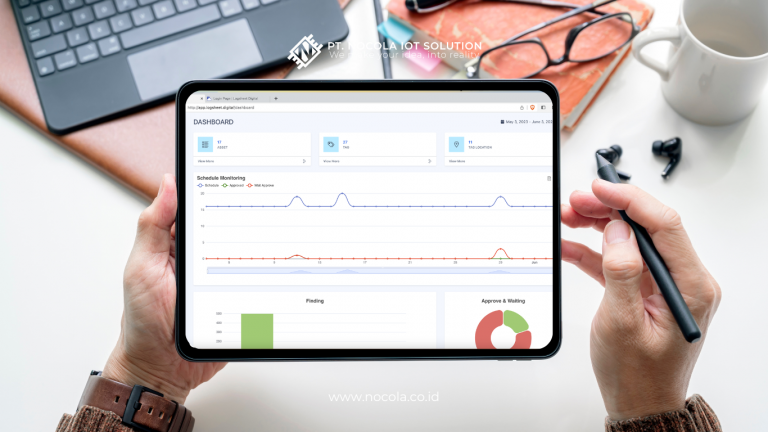
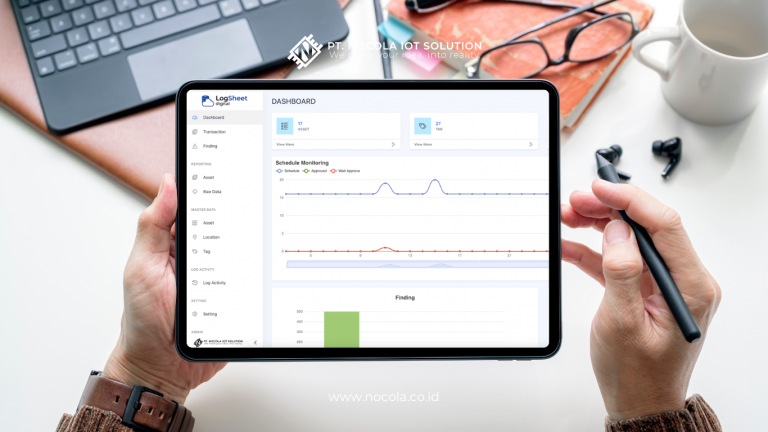
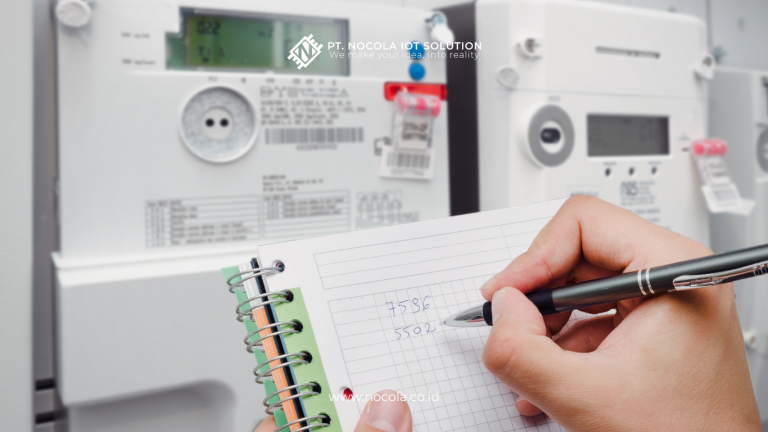
LogSheet Digital is a technology-based system designed to simplify the digital recording and management of data. Unlike traditional methods that often rely on paper and spreadsheets, LogSheet Digital offers a more integrated and automated platform. By using this application, companies can record data in real-time, minimize human errors, and enhance operational efficiency.
Key Features of LogSheet Digital
- Real-time Data Recording: Allows users to record data instantly and obtain accurate information immediately.
- Integration with Other Systems: Can connect with various other systems and applications used by the company.
- Powerful Data Analysis: Provides analytical tools that enable companies to better understand their data.
- High Data Security: Uses encryption technology to protect sensitive data from unauthorized access.
- User-Friendly: An easy-to-use interface makes it accessible to anyone without the need for specialized training.
Benefits of Digital Transformation in Data Recording

Read More: The Advantages of LogSheet Digital from Nocola in Improving Operational Reporting Accuracy and Speed
Digital transformation in data recording offers various benefits for companies. Here are some of the main advantages:
1. Increased Operational Efficiency
By switching to LogSheet Digital, companies can reduce the time spent on manual recording processes. Automation allows staff to focus on more strategic tasks, thereby enhancing overall productivity.
2. Reduced Human Errors
Manual data recording is often prone to mistakes, such as typos or lost documents. LogSheet Digital minimizes these risks by enabling more accurate and organized recording, providing clear and easily accessible records.
3. Easy Data Access
With a digital system, data can be accessed from various devices and locations, whether it’s a desktop, tablet, or smartphone. This allows teams to collaborate more effectively, even if they are in different locations.
Why Choose LogSheet Digital?

Read More: Nocola’s Fatigue Monitoring Features: Leading Solutions to Enhance Safety and Productivity
Choosing LogSheet Digital as a data recording solution offers numerous advantages that cannot be overlooked. Here are some reasons why companies should consider using LogSheet Digital.
1. Aligned with Modern Business Needs
As technology evolves and business requirements continuously change, LogSheet Digital is designed to meet the needs of more complex data recording. This system is flexible and can be customized to the specific needs of the company.
2. Excellent Customer Support
LogSheet Digital provides responsive customer support ready to assist users facing technical challenges or questions regarding system usage. This offers peace of mind for companies transitioning to digital systems.
3. Regular Updates and Innovations
The system is continuously updated with the latest features and technologies, ensuring that users benefit from the latest innovations without additional investments. These regular updates keep LogSheet Digital relevant and effective in facing new challenges in the business world.
4. Compliance with Regulations and Standards
LogSheet Digital is designed to comply with various regulations and industry standards related to data recording. This provides assurance that recorded data is safe and adheres to applicable legal requirements.
5. Superior User Experience
An intuitive and easy-to-navigate user interface makes LogSheet Digital accessible to everyone, regardless of their level of technological expertise. This reduces the need for lengthy training and helps companies quickly experience the benefits of the system.
Conclusion
Digital transformation in data recording is not just an option; it has become a necessity to improve efficiency, reduce errors, and gain better insights into data. LogSheet Digital offers a comprehensive solution to meet these demands, with features designed to support modern business needs.
With the various benefits offered, including cost savings, easy data access, and improved analysis, LogSheet Digital is a smart choice for companies looking to adapt to changing times. Despite the challenges that may arise during the transition process, the long-term benefits of adopting this solution far outweigh the drawbacks. Therefore, for companies wanting to remain competitive and relevant in the market, choosing LogSheet Digital as a data recording solution is the right step.

IoT in Transportation: Increasing Efficiency and Safety
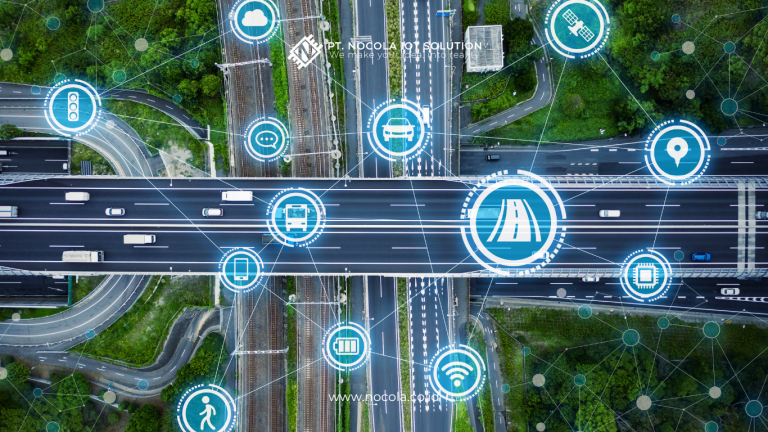
In the ever-evolving digital era, the Internet of Things (IoT) has become one of the leading technologies transforming various sectors, including transportation. IoT enables device connections through the internet, allowing data to be collected, analyzed, and used to enhance efficiency and safety. In the transportation sector, IoT offers advanced solutions for traffic management, public transport, vehicle control, and much more.
This article will discuss how IoT is changing the transportation industry, focusing on two main aspects: efficiency and safety. Additionally, we will look at the impact of IoT on various applications in the modern transportation world.
IoT in Transportation: Understanding and Basic Principles

Read More: Getting to Know the Internet of Things (IoT): Its Impact on Daily Life
IoT in transportation refers to the application of sensors, smart devices, and connectivity technologies to manage and control transportation assets such as vehicles, infrastructure, and drivers. The goal is to enhance operational efficiency, reduce costs, and improve safety.
Sensors installed on vehicles, road infrastructure, and public transport facilities can send real-time data. This data is then processed by intelligent IoT systems, generating valuable insights such as traffic patterns, road conditions, and driver behavior.
Enhancing Transportation Efficiency with IoT

Read More: Nocola Flux Water Level: An Efficient and Integrated Water Level Monitoring Solution
1. Better Traffic Management
One of the key benefits of IoT in transportation is improved traffic management. By using traffic sensors, CCTV cameras, and GPS data from vehicles, IoT systems can monitor traffic in real-time and provide information to drivers.
For instance, the system can recommend the fastest route based on current traffic data, reducing congestion and travel time. In large cities that often face traffic jams, this technology is very useful in alleviating traffic burdens and optimizing road usage.
2. More Efficient Public Transport
IoT is also used in managing public transportation. Digital ticketing systems connected to the IoT network allow users to pay and track public transport departure and arrival times in real-time. Moreover, the system can predict passenger density, enabling operators to optimize schedules and vehicle numbers.
In some advanced cities, buses and trains connected to IoT are also capable of providing real-time information on vehicle positions, departure schedules, and estimated arrival times (ETA). This improves passenger convenience and operational efficiency of public transportation systems.
3. Efficient Fleet Management
In the logistics industry, IoT plays a crucial role in fleet management. Transportation companies can use IoT data to track vehicles, monitor engine conditions, and optimize delivery routes. This way, they can reduce fuel consumption, extend vehicle life, and ensure on-time deliveries.
IoT technology also helps monitor vehicle conditions such as tire pressure, engine temperature, and fuel status. This data allows maintenance to be performed before damage occurs, reducing downtime and increasing fleet efficiency.
Enhancing Safety with IoT

Read More: Benefits of Water Quality Monitoring System (WQMS) in Water Resources Management
1. Early Warning Systems for Drivers
IoT enables the implementation of early warning systems that notify drivers about traffic conditions, bad weather, or other hazards. For example, sensors installed on vehicles can detect potential collisions and provide warnings to drivers.
Additionally, driver behavior recognition technology can be used to detect signs of fatigue or dangerous driving behaviors. With this information, IoT systems can give warnings or even activate the vehicle’s autonomous mode to prevent accidents.
2. Autonomous Vehicles and IoT
The development of autonomous vehicles is highly influenced by IoT. Autonomous cars use advanced IoT sensor networks to monitor their surroundings and make decisions independently. With this technology, vehicles can communicate with road infrastructure and other vehicles to reduce accident risks.
Autonomous cars connected to IoT can also follow traffic rules more accurately than humans, as the system can respond to situations quickly and precisely. This not only improves road safety but also reduces congestion since autonomous vehicles can operate with high efficiency.
Challenges and Barriers to IoT Implementation in Transportation

Read More: Nocola’s Fatigue Monitoring Features: Leading Solutions to Increase Safety and Productivity
Although IoT offers many benefits in transportation, its implementation still faces several challenges. One of the biggest challenges is data security. IoT-connected systems are vulnerable to cyberattacks, making it crucial to have strong security protocols in place.
Moreover, the cost of implementing IoT technology is still relatively high, especially in developing countries. Significant investment is required to integrate sensors, smart infrastructure, and communication networks needed to support IoT. However, with increasing technology adoption and infrastructure development, these challenges are expected to diminish over time.
Conclusion
IoT has opened many new opportunities in the transportation sector, enhancing operational efficiency and driver safety. From traffic management to autonomous vehicles, this technology is transforming the way we move and interact with transportation infrastructure.
Despite the challenges in implementation and security, the benefits offered by IoT far outweigh them. With proper integration, IoT can help create smarter, safer, and more efficient transportation systems in the future. Therefore, governments, companies, and other stakeholders need to collaborate to accelerate IoT adoption in transportation to create better travel environments for everyone.

Nocola Flux Water Level: An Efficient and Integrated Water Level Monitoring Solution
Water level monitoring is a crucial aspect in various industrial sectors, ranging from agriculture, fisheries, to water resource management. When not managed properly, sudden changes in water levels can lead to natural disasters like floods or droughts, posing risks to the economy and ecosystems. Therefore, efficient water monitoring technology is essential.
One of the best solutions for efficient and real-time water monitoring is Flux Water Level from Nocola IoT Solutions. With integrated IoT technology, Flux Water Level provides accurate measurements, automation, and continuous water level monitoring to prevent damage risks from unexpected water changes.
What is Flux Water Level by Nocola?

Read More: Getting to Know the Internet of Things (IoT): Its Impact on Daily Life
Flux Water Level is a water level monitoring system utilizing Internet of Things (IoT) technology. This solution is designed to monitor water levels in various environments such as dams, reservoirs, ponds, irrigation channels, and industrial facilities requiring water supervision.
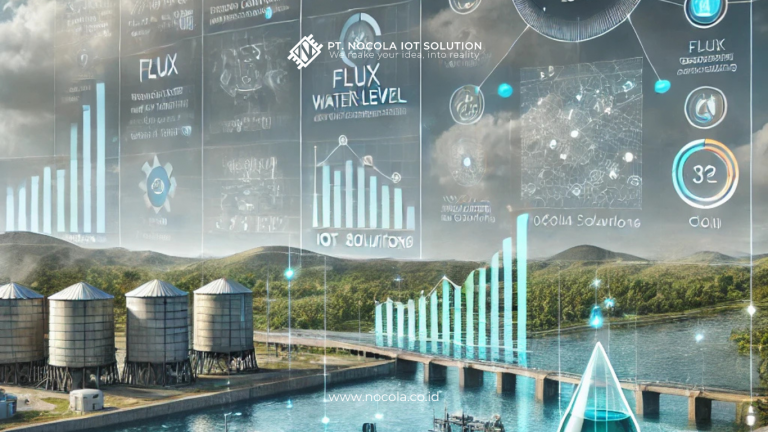
By installing sensors in the desired area, the Flux Water Level system transmits real-time data to an integrated dashboard, allowing users to monitor conditions remotely from any internet-connected device. This solution is not only accurate but also provides automatic notifications in case of drastic changes in water levels that could pose risks.
Key Features of Nocola’s Flux Water Level

Read More: Building an IoT Ecosystem with Fluxcloud from Nocola: Managing IoT Data at Scale
The Flux Water Level system has several key features that make it the best solution for various water monitoring needs:
1. Real-Time Monitoring
Flux Water Level works by providing live data updates (real-time). With this technology, users can monitor water level conditions anytime, anywhere through the cloud-based dashboard, enabling quick responses to significant water fluctuations.
2. Automatic Notifications
One of the most important features of Flux Water Level is the automatic alert system. Users will receive direct notifications via SMS, email, or app when the water level exceeds preset limits, helping in quick decision-making to avoid risks such as flooding or drought.
3. Integration with Flux Dashboard
All data collected by the Flux Water Level sensors can be accessed through Flux Dashboard, Nocola’s integrated management platform. On this dashboard, water level data is displayed in the form of graphs, tables, and other visualizations, making analysis and reporting easier.
4. Easy and Flexible Installation
Flux Water Level is designed for easy installation in various field conditions. The system is modular, so it can be customized to specific needs, whether in urban, rural, or industrial locations.
5. Scalability for Various Needs
From small ponds to large installations like dams or water treatment facilities, Flux Water Level can be implemented to meet a variety of project sizes. The system can easily integrate with other IoT solutions from Nocola, creating a larger, interconnected ecosystem.
Benefits of Using Nocola’s Flux Water Level

Read More: Smart Office: Transforming Your Office into a Smart Office with fluxLiving
The use of Flux Water Level offers numerous advantages, not only in terms of efficiency but also safety and cost savings. Here are the main benefits of this solution:
1. Increased Operational Efficiency
By using IoT technology for water monitoring, users can reduce reliance on error-prone manual methods. This automated system allows for more efficient management, with data always accurate and available at any time.
2. Reduced Risk of Flooding and Drought
The early warning system in Flux Water Level helps users detect drastic changes in water levels, allowing preventive actions to be taken before disasters occur. This reduces the risk of damage to property and infrastructure.
3. Operational Cost Savings
With automatic monitoring and early notifications, potential losses from disasters or mismanagement of water can be minimized. Additionally, using IoT technology reduces the need for manual monitoring, which often requires more human resources.
4. Guaranteed Data Security
This system uses a secure network to transmit real-time water level data. With encryption and strict security protocols, collected data remains confidential and protected from unauthorized access.
Applications of Flux Water Level in Various Industries

Nocola’s Flux Water Level can be applied in various industrial sectors that require water monitoring. Here are some real-world applications of this technology:
1. Agriculture and Irrigation
In agriculture, monitoring water levels is crucial to ensure adequate water supply for crops. With Flux Water Level, farmers can control irrigation systems based on water level data automatically, ensuring crops do not suffer from water shortage or excess, which could damage yields.
2. Fisheries and Aquaculture
For fish ponds or aquaculture, water level stability is essential to maintain a healthy environment for marine life. Flux Water Level helps pond owners or fisheries managers monitor water levels in real-time and take the necessary actions if sudden changes occur.
How Flux Water Level by Nocola Works

Read More: Indosat Ooredoo and PT Nocola IoT Solution: Collaboration for Trash Vending in Semarang
Flux Water Level uses sensors installed at the location to be monitored. These sensors are connected to a gateway, which acts as a bridge between field devices and Flux Cloud, Nocola’s cloud platform. The data collected by the sensors is transmitted to the cloud in real-time and then displayed on the Flux Dashboard.
Users can view the data in easy-to-understand visualizations, such as water level graphs over time. In the event of significant fluctuations, users will receive notifications via mobile devices or email.
Conclusion
In an increasingly digital era, IoT technology like Flux Water Level from Nocola provides an efficient solution for water monitoring. With real-time monitoring features, automatic notifications, and easy integration, Flux Water Level helps various sectors maintain stability and operational efficiency. This technology not only reduces the risk of disasters but also offers cost and time savings, making it a wise investment for industries reliant on water management.
Flux Water Level is an example of how modern technology can address water monitoring challenges and provide reliable solutions for a safer and more efficient future.

Getting to Know the Internet of Things (IoT): Its Impact on Daily Life
The Internet of Things (IoT) has become one of the most discussed technological innovations in recent years. With the ability to connect various devices to the internet and gather and share data, IoT has the potential to change the way we interact with the world around us. In this article, we will explore what IoT is, how it works, and its impact on our daily lives.
What Is the Internet of Things (IoT)?

Read More: IoT Based Pest Control: A Modern Solution for Sustainable Agriculture
IoT is the concept where various physical devices can connect to the internet and communicate with each other. This includes everything from household appliances, such as refrigerators and lights, to industrial devices, such as machines and sensors in factories. By connecting these devices, we can collect real-time data, monitor performance, and optimize various processes.
How IoT Works

Read More: Integration of Nocola IoT Solutions with ERP Systems: Improving Efficiency and Decision Making
IoT works by connecting devices through the internet network. Each device is equipped with sensors, software, and connectivity to collect and transfer data. Here are the basic steps of how IoT functions:
- Data Collection: IoT devices collect data from their surrounding environment using sensors. For example, temperature sensors can measure room temperature, while motion sensors can detect movement.
- Internet Connection: The collected data is then sent via an internet connection to a server or cloud platform. This connection can be established through Wi-Fi, Bluetooth, or cellular networks.
- Data Processing: On the server, the received data is processed and analyzed using algorithms and artificial intelligence. This allows the system to understand patterns and trends from the collected data.
- Actions and Responses: Based on the data analysis, the system can take automated actions or notify users. For instance, if a temperature sensor detects that the room temperature is too high, the system can automatically activate the air conditioner.
The Impact of IoT on Daily Life

Read More: Data Security in IoT Systems: How Nocola Guarantees the Privacy and Security of Customer Data
1. Smart Home
One of the most popular applications of IoT is in the smart home concept. With IoT devices, homeowners can control various aspects of their homes remotely via smartphone or tablet. Some examples of smart home devices include:
- Smart Lights: Users can adjust the lighting in their homes, change the color of the lights, or turn off the lights from anywhere.
- Smart Thermostat: This device allows users to efficiently control the temperature of their homes, even when they are not home.
- Security Cameras: Users can monitor their homes in real-time through cameras connected to the internet.
2. Health and Fitness
IoT also plays an important role in health and fitness. Wearable devices, such as smartwatches and fitness trackers, can monitor physical activity, heart rate, and sleep patterns. The data collected can help individuals to:
- Monitor health in real-time.
- Set fitness goals and track progress.
- Receive alerts if there are any suspicious changes in health.
3. Smart Transportation
IoT has transformed the way we travel. With connected vehicle technology, drivers can enjoy various features that enhance the driving experience, such as:
- Real-Time Navigation: The system can provide real-time traffic information and update travel routes based on current conditions.
- Preventive Maintenance: Vehicles can send data about engine performance and provide alerts when maintenance is needed.
- Autonomous Vehicles: IoT technology supports the development of autonomous vehicles that can operate without a driver.
4. Industry and Manufacturing
IoT has changed the way industries operate by enabling automation and more efficient monitoring. Some of the impacts include:
- Smart Factory: Smart factories can automatically monitor and control machines, reducing downtime and increasing production efficiency.
- Predictive Maintenance: By analyzing data from machines, companies can predict when maintenance is required, reducing costs and extending machine lifespan.
- Better Supply Chain: IoT allows companies to track inventory and shipments in real-time, increasing transparency and efficiency in the supply chain.
5. Environmental Monitoring
IoT can also be used to monitor environmental conditions, such as air and water quality. By deploying IoT sensors, organizations can:
- Collect real-time data about air and water quality.
- Identify pollution sources and take appropriate actions.
- Support sustainable development by ensuring that environmental standards are met.
In conclusion, the Internet of Things (IoT) has had a significant impact on our daily lives and has the potential to further transform various aspects of our lives. With the ability to collect and analyze data in real time, IoT offers new opportunities for efficiency and optimization across many fields, including homes, healthcare, transportation, industry, and environmental management.
Challenges in Implementing IoT

1. Security and Privacy
As more devices become connected, the risks to data security and privacy also increase. Cyberattacks can lead to sensitive data leaks or device malfunctions.
2. Interoperability
Various IoT devices often use different protocols and platforms. This complicates the integration between devices and systems, thereby limiting the full potential of IoT.
3. Infrastructure Limitations
In some areas, internet infrastructure is still limited. These limitations can hinder the development and implementation of IoT, especially in remote regions.
Conclusion
The Internet of Things (IoT) has brought significant changes to various aspects of our daily lives. From smart homes to innovations in healthcare, transportation, industry, and agriculture, IoT offers numerous benefits that enhance efficiency and convenience. However, challenges related to security, interoperability, and infrastructure need to be addressed in order to maximize the potential of IoT. With the right approach, IoT can become a valuable tool for creating a better future.

Cybersecurity: The Best Way to Protect Data in the Digital Age
In the rapidly evolving digital era, cybersecurity has become a critical issue for individuals and companies alike. Cyber threats are becoming more complex and sophisticated, ranging from malware attacks, ransomware, to data theft. As reliance on technology and the internet grows, protecting data and systems from these threats becomes a top priority. This article will discuss the best ways to protect data in the digital age and why cybersecurity is so important.
1. The Importance of Cybersecurity in the Digital Era

Read More: Cybersecurity in the Digital Era: Facing the Threat of Cyber Attacks
Cybersecurity refers to a set of practices, technologies, and processes designed to protect networks, devices, programs, and data from attacks, damage, or unauthorized access. In an increasingly digitally connected world, cybersecurity threats continue to rise, especially due to the vast amount of high-value data. Businesses, governments, and individuals are vulnerable to various threats, such as identity theft, data breaches, and ransomware attacks that can cripple entire systems.
Why is cybersecurity important?
- Protect personal data: Much of our personal information is stored digitally, from email addresses, phone numbers, to financial details. Cyberattacks can lead to the theft of this information.
- Customer trust: For businesses, customer data security is critical. A major data breach can damage reputation and result in a loss of customer trust.
- Avoid financial losses: Ransomware and malware attacks can result in significant losses, both in terms of lost data and the cost to repair compromised systems.
2. Cyber Threats to Watch Out For

Read More: Cybersecurity and Data Privacy in IoT: Addressing Risks
Before discussing the best ways to protect data, it’s important to understand the various threats lurking in the cyber world. Here are some common cyber threats:
- Malware: Malicious software designed to damage or gain unauthorized access to systems. Malware includes viruses, worms, and trojans.
- Ransomware: A type of malware that encrypts the victim’s data and only provides access after a ransom is paid. These attacks are becoming increasingly common and damaging.
- Phishing: Attacks that manipulate individuals into providing personal information like passwords or credit card numbers through fake emails or websites.
- DDoS (Distributed Denial of Service): An attack that attempts to cripple a system or network by overwhelming it with illegitimate traffic.
- Identity theft: Unauthorized access to a person’s personal information, often used for criminal activities like fraud or stealing money.
3. Best Ways to Protect Data in the Digital Era

Read More: AI-based Cybersecurity: Protecting the Digital Frontier
Here are some steps and strategies you can implement to protect data in the digital era:
a. Use Strong Passwords and Two-Factor Authentication
Passwords are the first line of defense in protecting your data. Weak or commonly used passwords can be easily guessed by cybercriminals. To make passwords more secure, ensure they include a mix of uppercase letters, lowercase letters, numbers, and symbols. Additionally, use two-factor authentication (2FA), which adds an extra layer of security by requiring a verification code in addition to a password.
b. Always Update Software
Outdated software is often an easy target for hackers. Many cyberattacks succeed because systems or software are not updated, leaving security vulnerabilities unpatched. Make sure to regularly update your operating system, security software, and applications.
c. Encrypt Data
Encryption is the process of converting data into a code that can only be read by authorized parties. With encryption, even if data falls into the wrong hands, it will not be easily accessible without the encryption key. Encryption is crucial for sensitive data such as financial information or personal data.
d. Use a VPN (Virtual Private Network)
A VPN is a tool that allows you to hide your IP address and encrypt your internet traffic. By using a VPN, you can protect your data from snoopers who may be trying to access your personal information when using public networks like Wi-Fi at cafes or airports.
e. Regularly Backup Data
Regular backups are a crucial step in protecting data from threats like ransomware or system failure. Store backups in a secure location and ensure they are encrypted. With a proper backup, you can restore important data even in the event of a cyberattack or data loss.
f. Cybersecurity Education and Training
Awareness of cyber threats and preventive measures is an essential part of cybersecurity. At both individual and organizational levels, regular cybersecurity training is critical to minimizing the risk of attacks. Many cyberattacks succeed due to human error, such as clicking suspicious links or using weak passwords.
4. The Importance of Firewalls and Antivirus

Read More: Top 10 Cybersecurity Trends 2023
Installing a strong firewall and antivirus software is an essential part of cybersecurity defenses. Firewalls act as a barrier between your internal network and the internet, filtering incoming and outgoing traffic and identifying potential threats. Antivirus software also plays a crucial role in detecting and removing malicious software from your system.
5. Protection from Phishing Attacks

Read More: Cyber Security Awareness: Melindungi Ranah Digital
Phishing is one of the most common cyber threats. These attacks are typically carried out through fake emails that appear to be from trusted sources, such as banks or companies. To protect yourself from phishing attacks, avoid clicking on suspicious links and always check the sender’s email address before taking any action. Use security software that can automatically detect and block phishing emails.
Conclusion
Cybersecurity is a critical aspect in today’s digital era. With the growing complexity of cyber threats, protecting personal and business data has become inevitable. By implementing measures such as using strong passwords, encrypting data, using VPNs, and keeping software up to date, we can safeguard ourselves and businesses from harmful attacks. Additionally, education and awareness about cyber threats are key to maintaining digital security. With proper preparation and actions, we can create a safe and secure digital environment.

The Future of Technology: How AI and Machine Learning Are Transforming Modern Business
In the rapidly evolving digital era, technologies like Artificial Intelligence (AI) and Machine Learning (ML) have become key drivers of transformation across various business sectors. They not only accelerate operational processes but also reshape how companies innovate, interact with customers, and make decisions. This article will discuss how AI and ML play a critical role in changing the modern business landscape and what can be expected in the future.
1. Introduction to AI and Machine Learning

Read more: IoT Based Pest Control: A Modern Solution for Sustainable Agriculture
AI refers to technology that enables machines or computer systems to mimic human intelligence in performing complex tasks such as voice recognition, data analysis, and natural language processing. Machine Learning (ML), a subset of AI, involves developing algorithms that allow computers to “learn” from data without being explicitly programmed.
In recent years, the advancement of AI and ML has been propelled by big data growth, increased computing power, and innovations in sophisticated algorithms. AI and ML have moved from being purely technical terms to becoming integral parts of various industries, from healthcare and finance to e-commerce.
Read More: The Future of AI Technology: How Artificial Intelligence Will Affect Jobs and Businesses
2. Applications of AI and ML in Business

Read More: The Future of AI Technology: How Artificial Intelligence Will Impact Jobs and Business
Modern businesses utilize AI and ML in numerous ways to enhance productivity, efficiency, and customer service. Here are some examples of how AI and ML are being widely implemented:
a. Business Process Automation
Many manual tasks that used to be time-consuming are now automated thanks to AI. For example, in the financial sector, AI is used to process insurance claims, verify identities, and analyze transaction data to detect fraud.
b. Customer Personalization
AI and ML enable businesses to gain deep insights into customer behavior and preferences. By analyzing customer data, companies can provide more relevant product recommendations and improved personalization, as seen in e-commerce and music streaming platforms.
c. Predictive Analytics
Companies use ML algorithms to analyze historical data and make future predictions. In manufacturing, predictive analytics can be used to monitor machine health and prevent downtime by predicting failures before they occur.
d. Virtual Assistants and Chatbots
Many businesses now use AI-powered chatbots to handle customer queries, offering 24/7 support and improving the overall customer experience. Virtual assistants like Siri or Alexa use AI to respond to user requests.
Read More: Data Security in IoT Systems: How Nocola Ensures Customer Data Privacy and Security
3. Benefits of AI and Machine Learning for Businesses

Read More: Integrating AI and IoT with Flux from Nocola: The Future of Automated Manufacturing
There are numerous advantages for companies that adopt AI and ML in their operations. Some of these include:
a. Increased Efficiency
By automating routine tasks, companies can reduce human error and increase overall efficiency, allowing employees to focus on higher-value work such as innovation and strategy development.
b. Better Decision Making
ML enables faster and more accurate data analysis, allowing companies to make more informed decisions based on insights gained from data. This can encompass everything from marketing strategies to inventory management.
c. Improved Customer Experience
By using AI for personalization and customer support, companies can offer more enjoyable and relevant experiences to consumers, such as better product recommendations based on purchase history or 24/7 customer support.
d. Business Scalability
AI allows businesses to scale their operations without significantly increasing their workforce, which is crucial for companies looking to expand into new markets or handle growing demand.
Read More: Integrating AI and IoT with Flux from Nocola: The Future of Automated Manufacturing
4. Challenges in Implementing AI and ML

Read More: Integration of Nocola IoT Solutions with ERP Systems: Improving Efficiency and Decision Making
While AI and ML bring many advantages, companies face several challenges when trying to implement these technologies.
a. Large Data Requirements
ML requires vast amounts of data to learn and make accurate predictions. However, not all companies have access to sufficient data or the infrastructure needed to process it.
b. Data Security and Privacy
With the increasing use of AI, there are security and privacy risks that must be addressed. Data breaches or unethical use of data can damage a company’s reputation and lead to legal issues.
c. Lack of Expertise
There is currently a shortage of skilled professionals with expertise in AI and ML. Companies often have to compete for top talent in this field, which can be a barrier to effectively adopting the technology.
d. Implementation Costs
Adopting AI and ML can be a costly investment, especially for small businesses. Companies need to consider the costs of technological infrastructure, software development, and staff training to manage these technologies.
Read More: IoT-Based Pest Control: A Modern Solution for Sustainable Agriculture
5. The Future of AI and Machine Learning in Business

Read More: Nocola Smart Agriculture Solutions: Optimizing Agricultural Yields with IoT and Real-Time Data
Despite the challenges, the future of AI and ML in business is bright. Businesses that successfully implement these technologies can expect increased competitiveness, enhanced innovation, and improved operational efficiency. As AI and ML continue to evolve, their applications will expand, driving new business models and reshaping industries globally.
a. Smarter and More Autonomous AI
With the development of deep learning and reinforcement learning, AI will become increasingly autonomous in making complex decisions without human intervention. For example, autonomous vehicles capable of driving themselves and inventory management systems that can manage stock without human involvement.
b. AI in Strategic Decision-Making
In the future, AI will not only be used for operational tasks but also in strategic decision-making at the management level. AI algorithms can assist company executives in formulating business strategies based on more in-depth data analysis.
c. Integration with Other Technologies
AI will increasingly integrate with other technologies, such as the Internet of Things (IoT), blockchain, and cloud computing. This will create a more advanced digital ecosystem, allowing companies to optimize their operations holistically.
d. AI and Ethics
As AI becomes more sophisticated, ethical issues surrounding its use will also receive greater attention. In the future, there will be more regulations and guidelines to ensure that AI usage remains responsible and ethical.
Conclusion
AI and Machine Learning have become transformative forces in modern business, opening up new opportunities for efficiency, personalization, and innovation. Although there are challenges in implementing these technologies, the benefits they offer far outweigh the drawbacks, providing a competitive edge for companies that successfully adopt them. In the future, as AI continues to advance, we will see businesses become smarter, more autonomous, and adaptive to environmental changes. For companies that want to stay relevant and competitive, adopting AI and ML is a step that cannot be overlooked.

IoT Based Pest Control: A Modern Solution for Sustainable Agriculture
In the world of agriculture, pests are one of the biggest threats that can significantly reduce crop yields. To tackle this issue, farmers have relied on various pest control methods for centuries. However, with advancements in technology, particularly in the field of the Internet of Things (IoT), pest control solutions have undergone significant transformation. IoT-based pest controllers offer a more effective and efficient approach and support sustainable farming practices. In this article, we will delve deeply into IoT-based pest controllers, how they work, their benefits, and the challenges faced in their implementation.
What is an IoT-based Pest Controller?

Read More: Integration of Nocola IoT Solutions with ERP Systems: Improving Efficiency and Decision Making
IoT-based pest controllers are systems that use IoT devices to monitor and control pests in agricultural fields. These systems collect data from various sensors installed in the agricultural location, analyze the data, and provide farmers with information about pest conditions in the field. Thus, farmers can take appropriate and timely actions to address pest issues before they damage the crops.
Key Components of an IoT-based Pest Control System

- Sensors: Sensors are used to collect data on pest presence, humidity, temperature, and other environmental conditions that can affect pest growth. Commonly used sensors include motion sensors, soil moisture sensors, and temperature sensors.
- Connectivity: IoT devices connect to the internet, allowing the collected data to be uploaded and accessed in real-time. This connectivity can be achieved through Wi-Fi, cellular networks, or other technologies.
- Analysis Platform: The data collected from the sensors is analyzed using algorithms and machine learning to identify patterns and trends related to pest attacks. This platform can provide valuable information to farmers regarding necessary actions.
- User Interface: A user-friendly interface allows farmers to monitor their agricultural conditions and receive notifications or recommendations based on the analyzed data. This interface can be a mobile application or a web dashboard.
How IoT-based Pest Controllers Work

Read More: Building an IoT Ecosystem with Fluxcloud from Nocola: Managing IoT Data at Scale
IoT-based pest control systems operate through the following steps:
- Sensor Installation: Sensors are installed at strategic locations in the agricultural field to monitor pest presence and environmental conditions.
- Data Collection: Sensors continuously collect data and send this information to the analysis platform via an internet connection.
- Data Analysis: The platform analyzes the data to detect pest behavior patterns and predict potential attacks.
- Notifications and Recommendations: Based on the analysis, the system will notify farmers if pests are detected, along with recommendations for actions to take, such as pesticide application or trap placement.
- Control Actions: Farmers can take control actions based on the recommendations provided by the system.
Benefits of IoT-based Pest Controllers

Read More: The Innovation Behind Nocola’s Fluxbox and Fluxgateway: Connecting IoT for a Smarter World
IoT-based pest controllers offer several significant benefits, including:
1. Efficient Use of Pesticides
With advanced monitoring systems, farmers can apply pesticides at the right time and in the right dosage. This not only reduces the amount of pesticide used but also minimizes negative environmental impacts.
2. Increased Crop Yields
By enabling early detection and rapid action against pests, farmers can protect their crops from more severe damage, significantly increasing their yields.
3. Cost Savings
By utilizing IoT technology, farmers can reduce operational costs related to pest control. More efficient pesticide use and reduced crop loss directly impact the profitability of farming operations.
4. Environmentally Friendly
IoT-based pest controllers support more sustainable farming practices. By reducing pesticide use and minimizing negative impacts on ecosystems, farming can become more environmentally friendly.
5. Real-Time Data and Analysis
This system allows farmers to access data in real-time, enabling them to make quicker and more informed decisions. Additionally, historical data analysis can help farmers plan long-term strategies to combat pests.
Implementation of IoT-based Pest Controllers in Various Sectors

Agricultural Sector
In the agricultural sector, IoT-based pest controllers have been widely used to enhance efficiency and productivity. With sensors installed in the fields, farmers can monitor crop conditions and receive notifications when there are signs of pest attacks.
Plantation Sector
Pest control is also crucial in plantation sectors, such as palm oil and coffee. IoT systems can assist plantation owners in detecting pests and diseases that threaten their yields.
Vegetable and Fruit Plantation Sector
This sector is highly vulnerable to pest attacks, and the use of IoT technology can help vegetable and fruit farmers control pests more effectively. With accurate data, they can take the right preventive measures.
Conclusion
IoT-based pest control is an innovative solution that addresses the challenges of pest management in modern agriculture. With significant benefits such as efficient pesticide use, increased crop yields, and environmental sustainability, this technology offers a new way for farmers to tackle pest problems. Although there are challenges in its implementation, with the right support and education, IoT-based pest control can become a valuable tool in creating a more productive and sustainable agriculture in the future.

Digital LogSheet: Optimizing Operational Processes with Digital Technology
In today’s digital era, technological transformation has become a priority for various industrial sectors. One technology that helps companies optimize operational processes is LogSheet Digital. This system offers a more efficient, accurate, and faster way to record, monitor, and analyze various operational data. Before we delve further into the benefits and applications of LogSheet Digital, let’s first understand what LogSheet Digital is and why it is essential for modern companies.
What is LogSheet Digital?

LogSheet Digital is a digital logging system that replaces the traditional paper logsheet used to monitor operational data across various industries. Essentially, a logsheet is a document that records critical information, such as machine status, equipment performance, and daily activity logs. With the LogSheet Digital system, all this data is automatically collected through devices connected to the system, and all information can be accessed in real-time through digital devices such as computers or smartphones.
Advantages of LogSheet Digital Compared to Manual Logsheets

Read More: Nocola’s Fatigue Monitoring Features: Leading Solutions to Increase Safety and Productivity
1. Efficiency in Data Collection
One of the most significant advantages of LogSheet Digital is its ability to collect data efficiently. In manual logsheets, data collection often takes a long time and requires human effort to record information periodically. Moreover, the risk of recording errors is high. In a digital system, data collection is done automatically and integrated with the devices used in operations. As a result, the time required to collect data is significantly shorter, and data accuracy is better ensured.
2. Data Accuracy and Consistency
Manual logsheets are highly prone to human errors. Writing mistakes, data omission, or measurement inaccuracies are common issues encountered. By using LogSheet Digital, the data generated is much more accurate because data collection is done automatically by devices connected to the system. Moreover, the data recorded in LogSheet Digital is consistent and easily accessible at any time, without worrying about data loss or damage.
3. Real-Time Access
The LogSheet Digital system enables real-time access to operational data. Any changes or updates to data can be viewed directly through the provided platform. This makes it easier for management to make quick decisions if there is an issue in the operational process. For example, if there is a machine malfunction or suboptimal device performance, this information can be immediately known by the operator or supervisor through the LogSheet Digital system, so corrective action can be taken promptly.
4. Data Storage and Accessibility
With LogSheet Digital, data storage becomes more efficient because there is no longer a need for physical space to store logsheets in paper form. All data is securely stored in the cloud or internal server, making it easier to access anytime and anywhere. Additionally, the risk of data loss or damage is minimized, as all information is stored with advanced security systems.
5. Simplified Analysis and Reporting
One of the main advantages of LogSheet Digital is its ability to generate reports automatically. In manual logsheets, report generation often takes time as data needs to be compiled manually. With a digital system, collected data can be automatically processed into detailed and in-depth reports. Users can export these reports into various formats, such as Excel or PDF, for further analysis. This greatly assists management in making data-driven decisions.
LogSheet Digital Applications in Various Industry Sectors

Read More: Integrating AI and IoT with Flux from Nocola: The Future of Automated Manufacturing
1. Manufacturing
The manufacturing industry often requires close monitoring of machinery and production processes. With LogSheet Digital, every operational data from production machines can be recorded automatically, allowing operators to ensure that all machines function optimally. Furthermore, this monitoring makes it easier to identify potential problems that could disrupt production.
2. Mining
The mining industry also greatly benefits from LogSheet Digital, especially in monitoring the condition of heavy equipment used in mining operations. Heavy equipment often requires regular maintenance, and with digital logsheets, the operational status of heavy equipment can be accessed in real-time, making scheduling maintenance more efficient.
3. Energy and Utilities
The energy industry, such as power plants and utility companies, heavily relies on LogSheet Digital to monitor equipment usage, energy consumption, and system performance. With an automatic system, they can ensure that all operations run smoothly and comply with established safety standards.
4. Chemical Industry
Factories operating in the chemical industry require precise monitoring of equipment conditions and production processes. With LogSheet Digital, all critical parameters, such as temperature, pressure, and chemical flow, can be recorded and monitored automatically to prevent errors that could have serious consequences.
5. Transportation and Logistics
In the transportation sector, LogSheet Digital can be used to monitor the condition of vehicles or fleets in real-time. Operational data from vehicles, such as fuel consumption, mileage, and maintenance schedules, can be easily monitored. This helps companies manage their fleets more efficiently and reduce operational costs
Challenges in Implementing LogSheet Digital

Although LogSheet Digital offers many advantages, its implementation also faces several challenges. One of the main challenges is the initial cost required to adopt this digital system. Companies need to invest in the necessary hardware and software to support the system. In addition, employee training is essential to ensure they can operate the system effectively.
Another challenge is integration with existing systems. If a company has previously used manual logging systems or other digital systems, integrating with LogSheet Digital can be somewhat complex. However, with proper planning, these challenges can be overcome, and the long-term benefits gained far outweigh the initial costs.
The Future of LogSheet Digital

Read More: The Innovation Behind Nocola’s Fluxbox and Fluxgateway: Connecting IoT for a Smarter World
With the growing trend of digitalization, LogSheet Digital is predicted to continue being a primary solution for various industries to enhance operational efficiency. Technologies such as the Internet of Things (IoT) and artificial intelligence (AI) will become increasingly integrated with LogSheet Digital, enabling more advanced data collection and deeper analysis.
Moreover, as more companies shift to cloud-based systems, cloud-based LogSheet Digital will become the new standard in operational data logging. Data security will also be further enhanced, allowing companies to be more confident that their operational data is well-protected.
Conclusion
LogSheet Digital offers an efficient, accurate, and secure solution for recording and monitoring operational data across various industrial sectors. With its ability to reduce logging errors, improve efficiency, and provide real-time access to data, this system helps companies make data-driven decisions with ease.
Although there are some challenges in its implementation, the long-term benefits are far greater. With the rapid advancement of technology, LogSheet Digital will continue to be a crucial tool in supporting digital transformation across industries.
For companies looking to boost efficiency and optimize operations, transitioning to LogSheet Digital is a smart step towards a more productive and organized future.

Power Usage Monitoring: Energy Efficiency Solutions for Business
In the modern era where technology is increasingly relied upon, the demand for electrical energy is rising across various industrial sectors and households. Inefficient power usage not only leads to high operational costs but also contributes to environmental issues, such as increased carbon emissions. Therefore, power usage monitoring has become a critical solution to optimize energy consumption and reduce wastage.
This article will delve into the importance of power usage monitoring, how these systems work, their benefits for businesses, and the latest technologies used to monitor energy consumption in real-time. By implementing these solutions, companies and households can increase energy efficiency and reduce environmental impacts.
What is Power Usage Monitoring?

Read More: How Nocola Helps the Energy Industry Monitor Carbon Emissions with CEMS Technology
Power usage monitoring is the process of measuring, tracking, and analyzing the electrical energy consumed by a device, system, or entire facility. This process is carried out through the use of tools or systems capable of real-time monitoring of electricity usage. The goal is to provide insights into energy consumption patterns, identify wastage, and enable users to take appropriate action to optimize power usage.
How Does Power Usage Monitoring Work?

Read More: Technological Innovation in Power Generation: From Renewable Energy to Advanced Technology
A power usage monitoring system typically consists of hardware and software that work in tandem. Here are the key components of a power usage monitoring system:
- Energy Sensors: Sensors are placed at key points in the electrical distribution to measure the electrical flow used by devices or systems. These sensors can detect various parameters such as voltage, current, and power used.
- Data Gateway: The data collected by the sensors is then transmitted to a gateway or data processing center, where it is sent to a server for further processing.
- Analytics Platform: The data received by the server is then processed by analytical software, providing more detailed information on energy usage, including consumption patterns, energy wastage, and anomalies in power usage.
- User Application: The analyzed data is displayed in an application accessible to users. Users can view real-time power usage, receive notifications of wastage, and make decisions based on the information provided.
Benefits of Power Usage Monitoring

Read More: Renewable Energy: A Solution to Reduce Dependence on Fossil Fuels
Implementing a power usage monitoring system offers numerous benefits for both businesses and households. Here are some key advantages:
1. Operational Cost Savings
Power usage monitoring enables companies to identify areas where energy is being used excessively or inefficiently. With accurate data, companies can reduce energy consumption in these areas, lowering overall operational costs. In the long term, these savings can have a significant impact on a company’s profits.
2. Increased Energy Efficiency
With a system that continuously monitors power usage, companies can optimize energy consumption across various business processes. For example, unused machines can be automatically turned off, or inefficient processes can be adjusted to reduce energy consumption.
3. Energy Waste Detection
One of the main benefits of power usage monitoring is the ability to detect energy waste. Malfunctioning devices or systems running inefficiently are often sources of energy wastage. With proper monitoring, these issues can be identified early and addressed before causing further losses.
4. Supporting Environmental Initiatives
Companies implementing power usage monitoring systems also support environmental sustainability efforts. By reducing unnecessary energy consumption, companies can reduce their carbon footprint and contribute to environmental preservation.
5. Compliance with Energy Regulations
In many countries, strict regulations have been implemented to reduce energy consumption and carbon emissions. With power usage monitoring, companies can ensure they comply with these regulations and avoid fines or penalties.
Latest Technologies in Power Usage Monitoring

Power usage monitoring technology continues to evolve with advances in the Internet of Things (IoT) and artificial intelligence (AI). Here are some of the latest technologies used in power usage monitoring systems:
1. Internet of Things (IoT)
IoT has transformed the way we monitor and manage power usage. With sensors connected through networks, monitoring systems can collect data from various devices in real-time, allowing closer monitoring and faster action if anomalies occur in energy consumption.
2. Cloud-Based Systems
Cloud-based power usage monitoring systems allow users to access energy consumption data from anywhere. This enables businesses to control and optimize energy consumption remotely.
3. AI and Machine Learning
Artificial intelligence (AI) and machine learning are increasingly being used in power usage monitoring systems to analyze consumption patterns and predict future needs. These technologies help companies make smarter decisions in energy management.
Conclusion
Power usage monitoring has become an essential solution for businesses and households looking to reduce energy consumption and improve efficiency. By implementing these systems, companies can save on operational costs, increase energy efficiency, detect waste, and support environmental sustainability. Additionally, with the advancement of IoT, AI, and cloud-based technologies, power usage monitoring systems are becoming more accurate and accessible, allowing users to control and optimize energy consumption in real time.

Nocola’s Fatigue Monitoring Features: Leading Solutions to Increase Safety and Productivity
In today’s fast-paced work environment, especially in sectors like industry, transportation, and mining, fatigue poses one of the most significant challenges to safety and productivity. Companies must implement systems capable of monitoring employee fatigue levels in real-time and providing prompt and accurate solutions. One of the latest innovations offering such a solution is Fatigue Monitoring from Nocola. This article will explore the key features of this system and how the technology can help companies enhance both safety and productivity.
What is Fatigue Monitoring?

Before discussing its features, it is essential to understand what fatigue monitoring entails. Fatigue monitoring is a technology used to detect signs of fatigue in workers in real-time. This technology utilizes advanced sensors and algorithms to analyze behavior, facial expressions, and physiological responses to identify fatigue. It is crucial, particularly in sectors where high levels of fatigue can lead to fatal accidents or a decrease in productivity.
Why is Fatigue Monitoring Important?

Read More: Benefits of Water Quality Monitoring System (WQMS) in Water Resources Management
Fatigue affects not only the health of workers but also their performance. Studies have shown that fatigue can lead to decreased concentration, increased risk of accidents, and reduced productivity. With an effective monitoring system, companies can take preventive measures to avoid these negative impacts. Nocola offers an innovative solution with fatigue monitoring features specifically designed to ensure workers remain productive and safe.
Featured Fatigue Monitoring

Read More: Building an IoT Ecosystem with Fluxcloud from Nocola: Managing IoT Data at Scale
- Real-Time Fatigue Detection
Nocola’s Fatigue Monitoring can detect fatigue in real-time using sensors placed on equipment or wearable devices like helmets or smart glasses. These sensors monitor behavioral changes such as blinking frequency, head position, and breathing patterns. The system provides early warnings to workers or operators when fatigue is detected, helping to prevent accidents. - AI and Machine Learning Integration
With Artificial Intelligence (AI) and Machine Learning (ML), the system continuously learns and improves its accuracy. It doesn’t just detect physical symptoms but also analyzes work patterns and environmental conditions to predict when fatigue is likely to occur, offering accurate recommendations for breaks or rest periods. - Integration with IoT Devices
Nocola’s Fatigue Monitoring integrates with IoT (Internet of Things) devices to create a comprehensive ecosystem. It connects with heavy equipment, vehicles, or machinery, allowing data to be automatically collected and used to monitor workers’ overall health, providing deeper insights into their work conditions and fatigue levels. - Automatic Notifications and Alarms
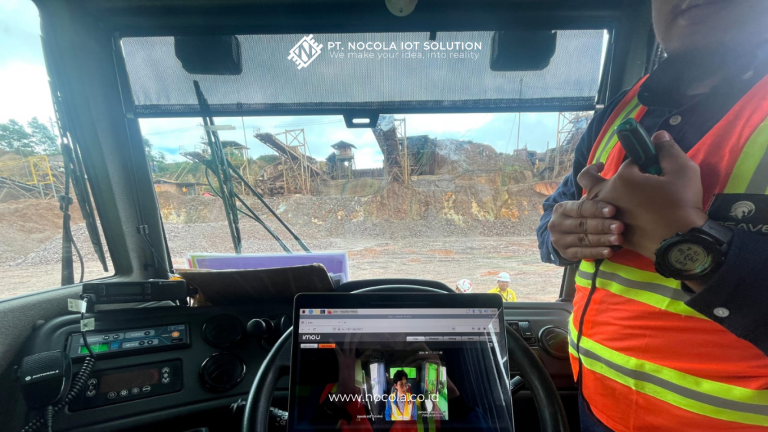
When significant signs of fatigue are detected, the system sends automatic notifications to workers and supervisors via mobile apps, dashboards, or sound alarms. This allows supervisors to take immediate action, such as scheduling rest breaks or temporarily halting operations if necessary. - Interactive Analytics Dashboard
Nocola’s fatigue monitoring comes with an interactive analytics dashboard that allows managers to monitor workers’ fatigue levels in real-time and view trends that help in decision-making. The data includes daily fatigue levels, team fatigue statistics, and specific environmental conditions, enabling companies to plan preventive actions more effectively. - Customization and Adjustments
Each industry has unique work conditions, and Nocola’s Fatigue Monitoring offers customization options to meet specific needs. For instance, in mining sectors, extreme environmental conditions may require sensors to be more sensitive to temperature and air pressure, ensuring that the system remains accurate and relevant in the field. - Comprehensive and Predictive Reporting
The system also generates comprehensive reports periodically, which include both historical data and predictive insights on future fatigue risks. This helps companies plan preventive strategies, such as optimizing rest schedules or rotating job roles.
The Benefits of Nocola’s Fatigue Monitoring

Nocola’s Fatigue Monitoring offers several advantages over other systems, including:
- High Accuracy: With advanced sensors and AI, the system detects fatigue signs with high precision.
- Easy Integration: It can be integrated with existing equipment, minimizing the need for additional investments.
- Cost Savings: By preventing fatigue-related accidents, companies can reduce health care costs, equipment repairs, and production losses.
- Increased Productivity: Monitoring and managing worker fatigue helps ensure that the workforce remains productive throughout the day.
Implementation of Fatigue Monitoring in Various Sectors

Nocola’s Fatigue Monitoring can be implemented in various industrial sectors, including:
Transportation Sector: Where heavy vehicle drivers often work long hours and require monitoring systems to prevent accidents.
Mining Sector: Where harsh environmental conditions make workers vulnerable to fatigue.
Manufacturing Sector: Where workers are required to perform repetitive and exhausting tasks.
Conclusion
Nocola’s Fatigue Monitoring is an effective solution for addressing fatigue challenges in the workplace. With advanced features such as real-time detection, IoT integration, automated notifications, and in-depth analytics, this system helps companies ensure worker safety and productivity. Utilizing AI and machine learning technology, Nocola’s Fatigue Monitoring can also predict future fatigue risks, allowing companies to take better preventive measures.